
Seal Initiation Temperature (SIT): What It Is and How It's Measured
Seal initiation temperature is the lowest sealing temperature at which a heat seal reaches a defined minimum strength. Learn how SIT is measured and used.
Treating a laboratory SIT as a machine setting can leave weak seals or distort the web. Seal initiation temperature (SIT) is the lowest sealing temperature at which a heat seal reaches a defined minimum strength. Below that temperature the sealant layers have not softened or fused enough to bond, so the seal peels apart with little force. SIT is usually quoted in degrees Celsius, and it only means something when the strength criterion, dwell time, and jaw pressure are stated with it.
SIT inputs before comparing curves
Scroll horizontally to view all columns if needed. ↔
| Input | Record |
|---|---|
| Strength criterion | Chosen force and reporting basis; no universal threshold |
| Strip width / pull method | Width, speed, support technique and failure mode |
| Dwell | Laboratory sealing contact time |
| Pressure / jaws | Applied pressure, jaw type and heated faces |
| Cooling | Time and conditioning before the strength test |
| Film | Lot, structure and sealant thickness |
What seal initiation temperature means
When two sealant layers are pressed together under heat, polymer chains at the interface soften and begin to interdiffuse. At low temperatures almost nothing happens and the seal strength is close to zero. As temperature rises, strength climbs steeply over a narrow range, then levels off at a plateau. SIT marks the point where that climb crosses a chosen threshold.
There is no single universal threshold. One lab may define SIT as the temperature at which the seal reaches 1 N per 15 mm of width, another may use a different value, and a customer specification may set its own number based on the pack. That is why two data sheets can show different SIT figures for the same sealant. Always ask which criterion was used. A SIT without a stated criterion, dwell time, and pressure cannot be compared with another figure.
Heat seal initiation temperature is sometimes confused with the temperature setting on the machine, but the two differ. SIT is a material property measured under controlled lab conditions. Machine jaw temperature is a process setting established by trials of heat transfer, contact, dwell and line speed; there is no universal offset above laboratory SIT. Use the laboratory result to bracket a trial, then measure cooled strength, integrity and hot tack at line conditions.
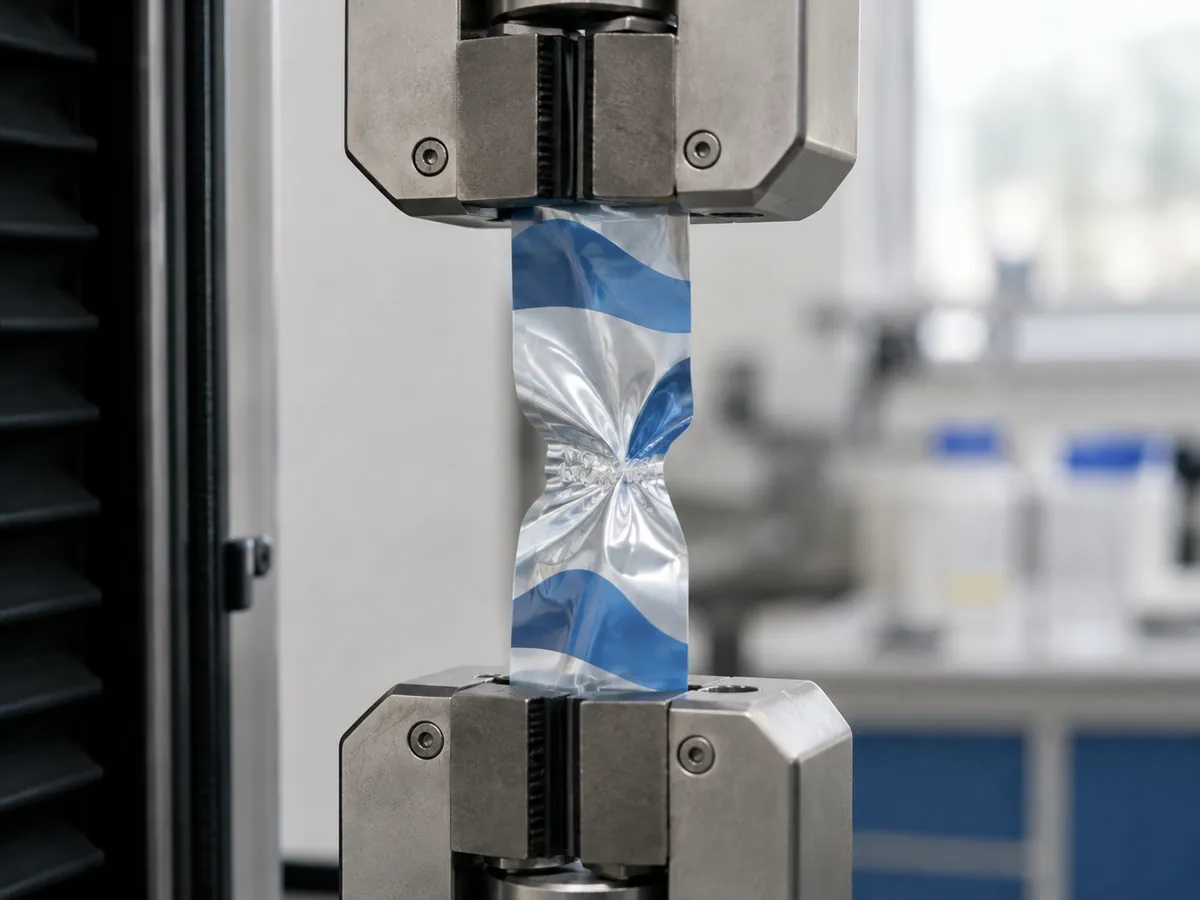
How SIT is measured from a heat-seal curve
The standard approach is to build a heat-seal curve:
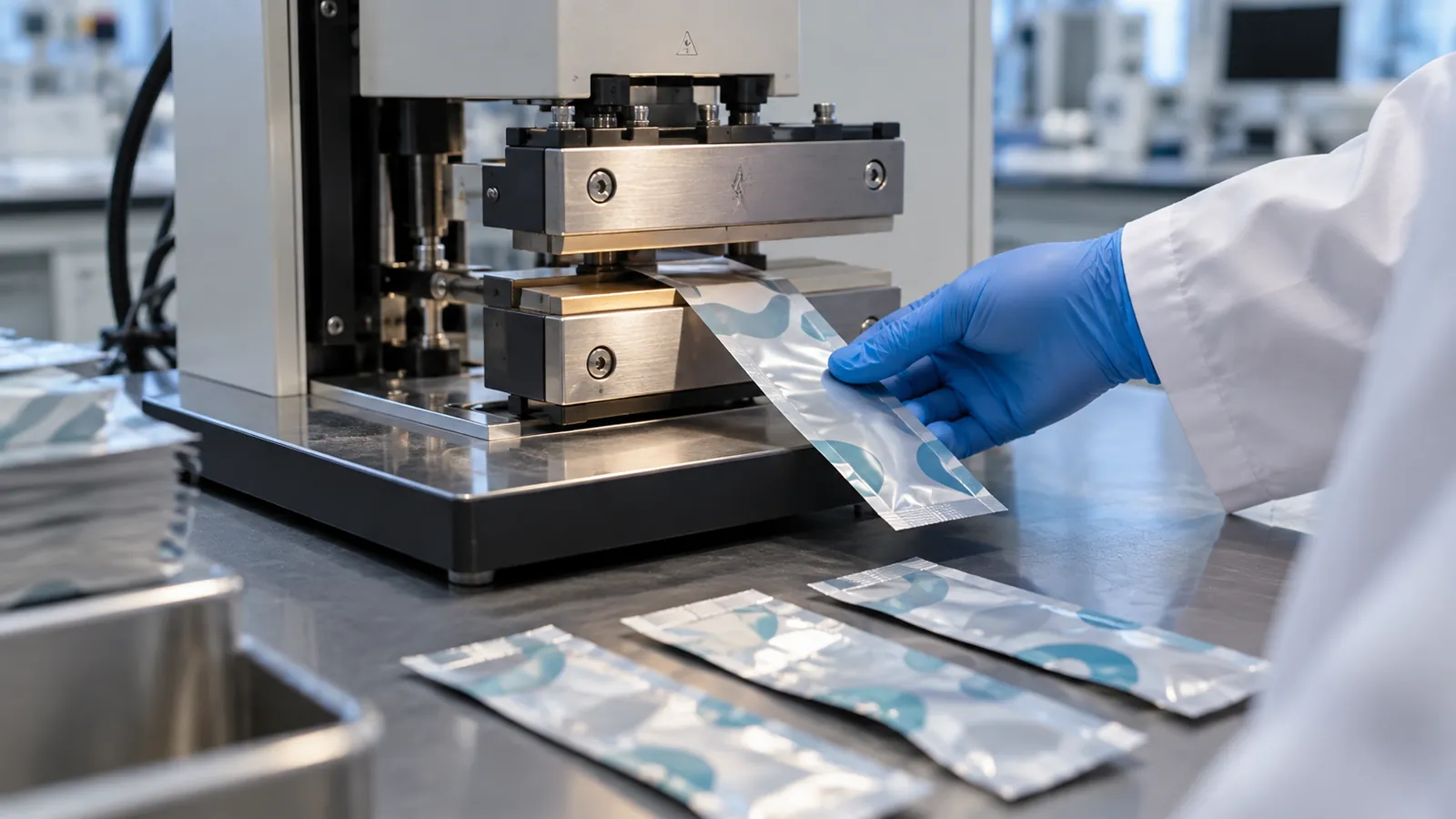
- Make a series of laboratory seals at fixed dwell time and fixed jaw pressure, stepping the sealing temperature (5 or 10 °C increments are example screening choices, not mandatory steps). ASTM F2029-16(2021) covers laboratory seal preparation.
- Cut strips from each seal and pull them apart to measure seal strength, following ASTM F88/F88M-23.
- Plot seal strength against sealing temperature.
- Read off the lowest temperature at which strength meets the chosen criterion. That temperature is the SIT under the stated conditions. Retest between the last failing and first passing temperatures at finer increments if the threshold needs tighter resolution; report the interval and repeat results.
Reading an assumed heat-seal curve
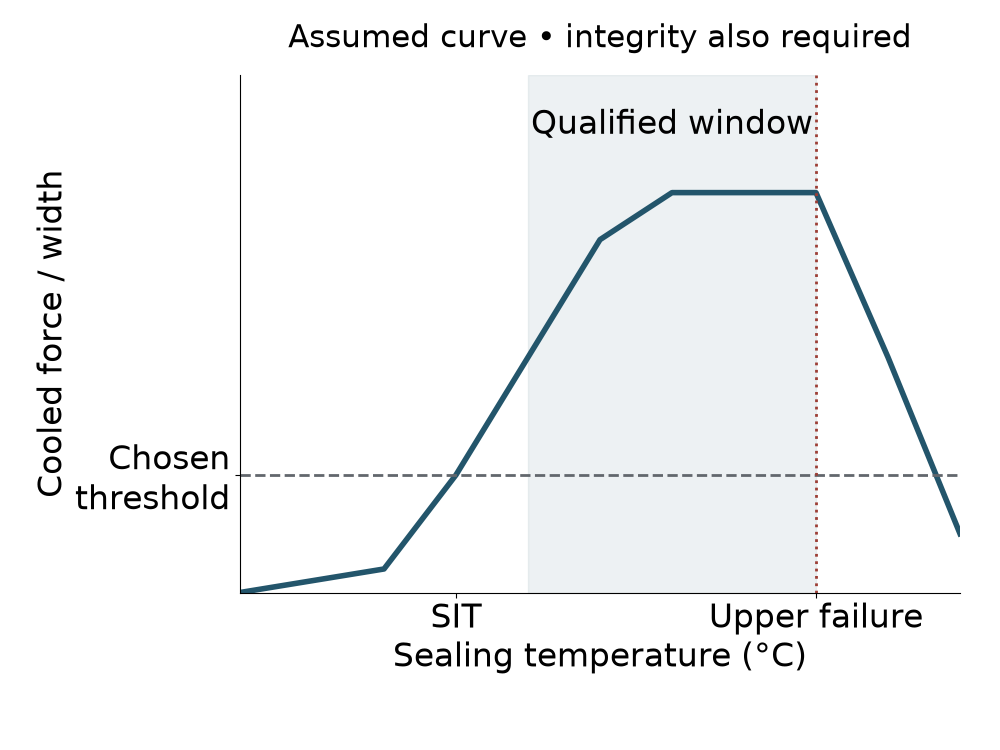
The shape and upper failure boundary depend on the tested structure. Neither a low threshold crossing nor a flat strength plateau proves a usable production window. Record the observations in the blank measurement table.
The sealing window
The sealing window is the temperature range in which acceptable seals are produced. Its lower edge is the SIT, or a somewhat higher temperature that gives the strength you actually need. Its upper edge is set by whatever fails first: the outer layer distorts or sticks to the jaw, the sealant squeezes out and thins, the film shrinks or wrinkles, or the seal degrades.
Confirm both edges at the intended dwell, pressure and layer structure before changing the line setting. A wide window is easier to run. A narrow window means small shifts in jaw temperature, dwell, or ambient conditions move you out of range. Narrow windows are a common concern with some mono-material packaging designs, where the outer and inner layers are the same polymer family and have similar melting behavior, so there is little temperature gap between sealing the inside and distorting the outside.
Factors that change SIT
- Sealant resin type. Metallocene LLDPE, plastomers, and ionomers are commonly used to lower SIT compared with conventional polyethylene sealants. The right choice depends on the structure and the product, and PE film covers the polyethylene grades.
- Sealant thickness. Thicker sealant layers take longer to heat through, which can raise the temperature needed at a given dwell time.
- Dwell time. Longer dwell allows more heat to reach the seal interface, which can lower measured SIT; verify the curve rather than assuming a fixed change. A short dwell on a fast line pushes the required jaw temperature up.
- Jaw pressure. Pressure affects contact and heat transfer. Too little leaves gaps, too much squeezes out molten sealant.
- Contamination. Product dust, oil, powder or moisture can alter bonding or prevent a continuous seal; test the relevant contamination rather than treating it as a predictable temperature offset.
- Line speed. Faster lines shorten dwell, which usually means higher jaw temperatures and a narrower margin before the outer layer suffers.
- Structure. The thermal conductivity of the outer layers and any foil or metallized layers changes how quickly heat reaches the sealant.
Why low SIT matters
A low SIT sealant helps in several situations:
- Speed. Lower required temperatures at short dwell mean faster cycle times on VFFS machines and other form-fill-seal equipment.
- Heat-sensitive products. Chocolate, confectionery, and some pharmaceuticals or powders can be damaged by high jaw temperatures near the seal.
- Energy and wear. Lower jaw temperatures reduce energy use and reduce sticking and build-up on jaws.
- Mono-material structures. With a narrow gap between sealant melt and outer-layer distortion, a lower SIT can widen the usable window if the upper failure limit remains unchanged.
A lower SIT is not automatically better. Very low-SIT sealants can be softer, may have higher blocking tendency on the reel, and can have lower heat resistance during hot filling or distribution. The target is a window that fits the line, product, and pack.
SIT and hot tack
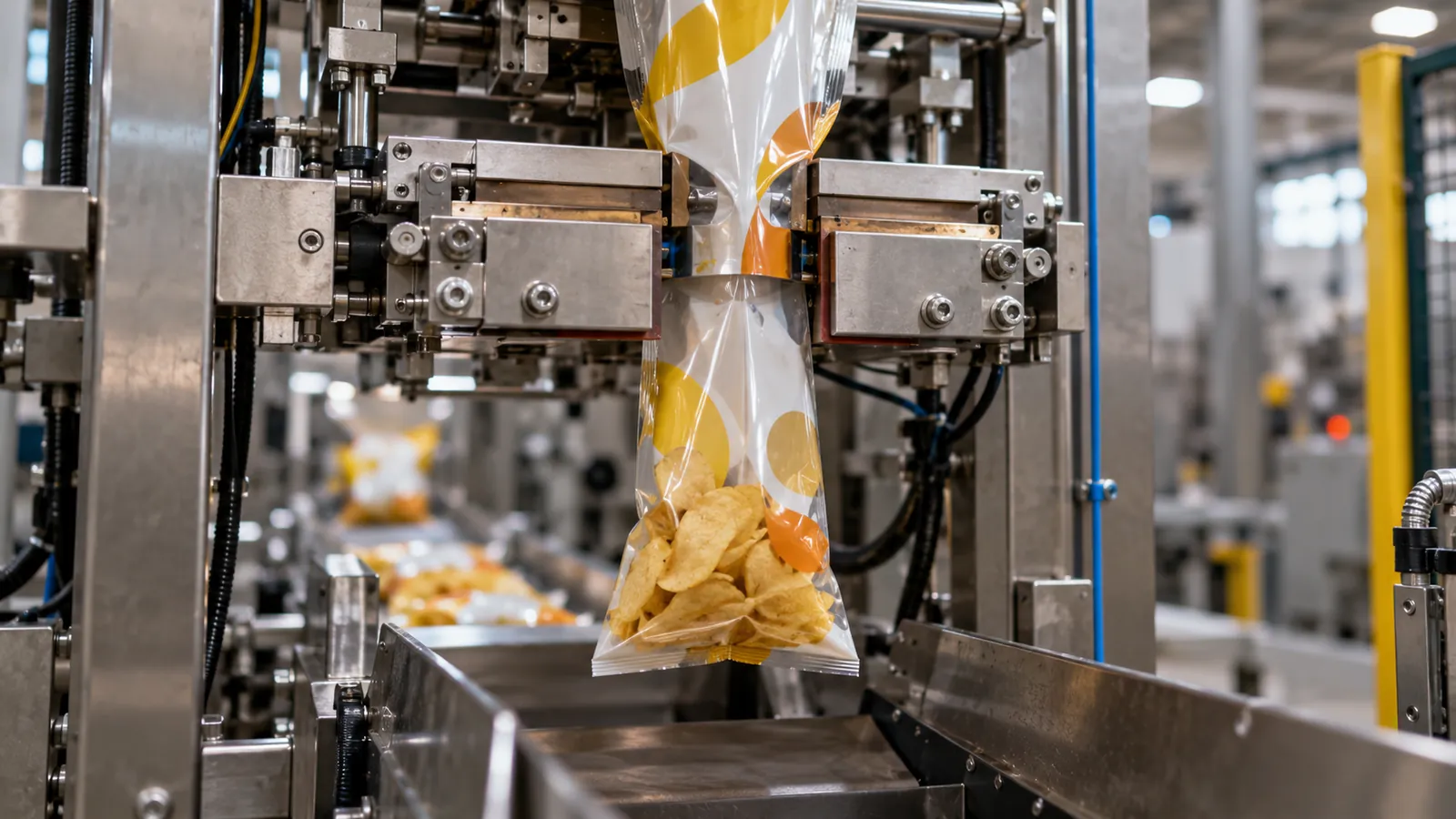
Hot tack is the strength of a seal in the instant after sealing, while the polymer is still molten or only partly cooled. This matters because on a vertical machine, product drops into the pouch immediately after the seal is made and can pull the seal open before it has cooled. SIT identifies a sealing-temperature threshold from cooled heat-seal strength; it does not describe cold-seal adhesive technology. A sealant can have a low SIT but weak hot tack, or the reverse, so both are checked for fast vertical applications. Hot tack is measured according to ASTM F1921/F1921M-12(2023); the hot tack guide explains delay-dependent loading.
SIT measurement record
Scroll horizontally to view all columns if needed. ↔
| Field | Condition / result |
|---|---|
| Lot, structure, sealant grade / thickness | _____ |
| Strength criterion, strip width and reporting basis | _____ |
| F2029 preparation: jaw type, heated faces, dwell and pressure | _____ |
| Cooling time / conditioning; F88 technique and pull speed | _____ |
| Temperature point, sample count and repeat strengths | _____ |
| Last failing / first passing point; refined interval | _____ |
| Failure mode, integrity result and upper-limit cause | _____ |
| Hot tack at actual loading delay, where relevant | _____ |
| Production trial conditions and agreed window | _____ |
Compare curves only after aligning the criterion and test conditions. Use the specification comparison guide and performance overview, then return to this measurement record to document the chosen settings.
Frequently asked question
What is the heat sealing temperature of polyethylene?
Use a curve for the actual polyethylene grade and layer structure at stated dwell and pressure. A resin-family name cannot supply a machine temperature. First establish the cooled-strength threshold, then verify hot tack and integrity at the intended line settings.
Sources and method
Reviewed October 8, 2026 against the official public scopes of ASTM F2029-16(2021), ASTM F88/F88M-23 and ASTM F1921/F1921M-12(2023). F2029 preparation does not validate production equipment or measure hot tack; F88 measures seal-strip strength and failure mode. The 1 N/15 mm criterion, temperature increments and curve are examples, not universal specifications or site measurements.
Continue reading
Related articles
Hot Tack in Packaging Films: What It Is and Why It Matters
Hot tack packaging performance is the strength of a heat seal while it is still molten. Learn the ASTM F1921 test, the hot tack curve and how it affects VFFS lines.

Packaging Seal Strength: Testing and Specifying Seals
Packaging seal strength is how much force a heat seal resists before it opens. Learn ASTM F88 peel, burst and leak tests, failure modes and how to write a spec.
Oxygen Transmission Rate (OTR): Units, Test Methods and How to Read It
Oxygen transmission rate (OTR) measures how much oxygen passes through a film. Learn the units, test methods, conditions and how OTR relates to shelf life.