

Topic hub
Packaging Regulations for Flexible Packaging: PPWR, EPR and Food Contact
Packaging regulations now shape flexible packaging design. See how the EU PPWR, EPR schemes, California SB 54 and food-contact rules affect film choices.
Applying the wrong market rules can mean new documentation and a packaging redesign. Start with the destination market, check food-contact suitability, then identify the producer and the applicable EPR, recyclability and labeling rules; this hub links to each detailed check.
Market and responsibility at a glance
Scroll horizontally to view all columns if needed. ↔
| Rule family | Question it answers | Reading entry |
|---|---|---|
| Food contact | Is this structure suitable for this food and use in the destination market? | US/EU food-contact guide |
| EU PPWR | Which design, substance and labeling obligations apply to this packaging? | PPWR overview |
| Packaging EPR | Which entity registers, reports and finances waste management in each jurisdiction? | EPR guide |
| California SB 54 | Is the material covered, who is the producer, and what action is due? | California guide |
Use one market record per SKU. A food-contact declaration and an EPR registration answer different questions.
Takeaway: Start with one SKU and destination, then follow the matching rule-family entry.
Why regulation now drives flexible packaging design
For years a laminate was specified for barrier, seal performance and cost. Several rule sets now add questions that the film itself must answer.
- Recyclability. Laws increasingly expect packaging to fit an existing recycling stream. Multi-material laminates that were chosen for barrier are the structures most often put under pressure. See design for recycling and recyclable flexible packaging.
- Recycled content. Some rules set minimum shares of recycled plastic. That affects film grades, food-contact approval of the recycled resin, and supplier choice. See PCR packaging.
- Minimization. Packaging weight, volume and empty space come under scrutiny. Thinner film helps here, but not if it fails on the line; see film thickness and gauge.
- Labeling. Sorting and material-composition marks are being harmonized in some markets, which touches print artwork and approval cycles.
- Producer fees. Under extended producer responsibility, the company that places packaging on the market pays toward collection and recycling. Fees often depend on material and sometimes on recyclability, so structure choices become a cost line.
- Food-contact safety. Films, inks, adhesives and coatings that touch food must meet safety rules in the destination market, including limits on certain chemicals.
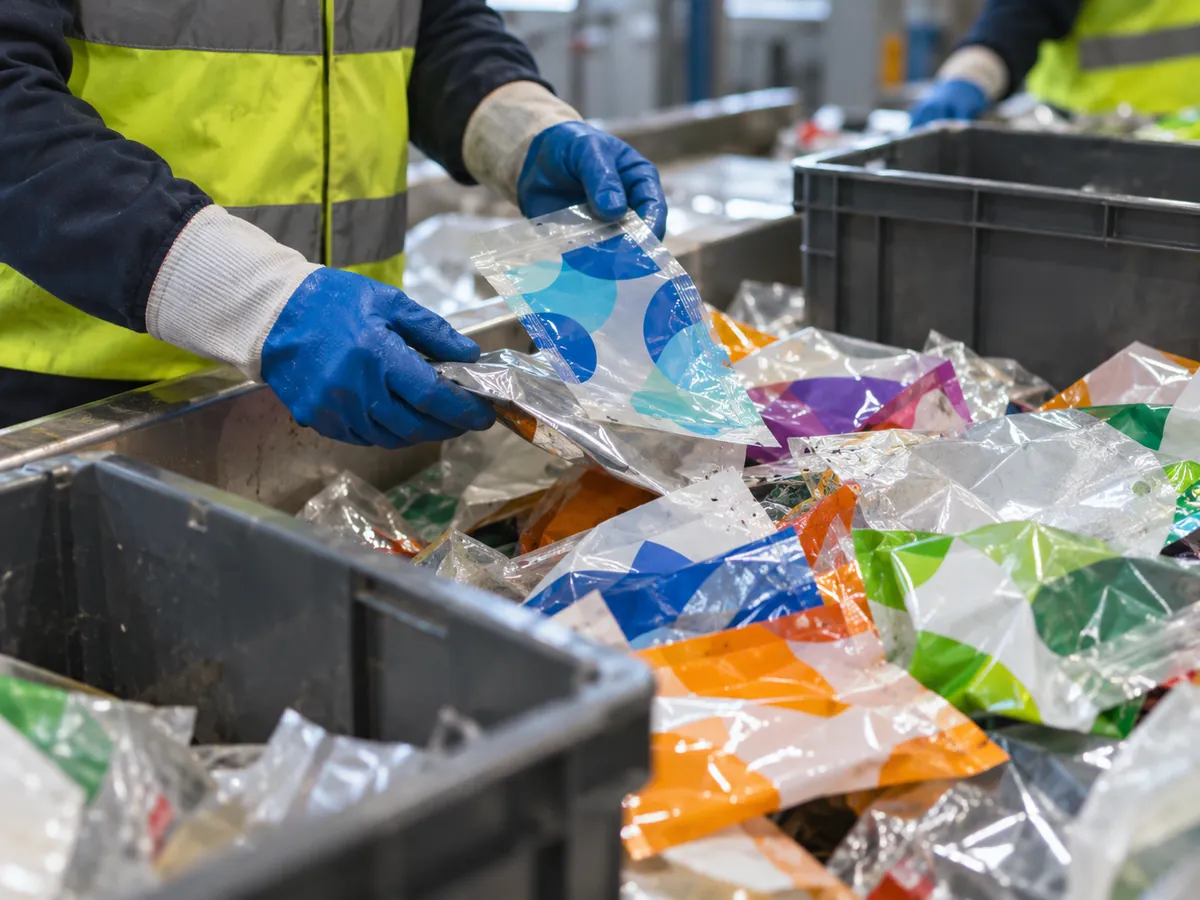
Takeaway: Record protection requirements and regulatory requirements in the same design file.
Frameworks covered on this site
EU Packaging and Packaging Waste Regulation. Regulation (EU) 2025/40, known as PPWR, entered into force on 11 February 2025 and applies generally from 12 August 2026. It covers recyclability, recycled content, minimization, labeling, substances of concern and producer responsibility. Start with the overview, EU PPWR for flexible packaging, then read PPWR recyclability requirements for the design-for-recycling grades and their timeline.
Extended producer responsibility. EPR schemes make producers financially responsible for packaging waste. They exist in many countries and regions and differ in fee structure, scope and reporting. See packaging EPR.
California SB 54. A US state law that combines producer responsibility, source-reduction targets and recyclability or compostability requirements for single-use packaging. It is a useful US example of how these ideas are written into law. See California SB 54.
Food-contact rules. Packaging that touches food is regulated separately from waste rules, and the requirements depend on the market. See food contact packaging regulations. For the pharmaceutical and medical side, the application pages on pharmaceutical flexible packaging and medical device packaging cover those sector needs.
Takeaway: Use the food-contact and waste guides as separate checks.
How the frameworks interact for one pack
Take a printed stand-up pouch sold in Germany, France and California. It is one pack, but it meets several rule sets at once, and they ask different questions. Food-contact law asks whether every layer, ink and adhesive is safe for the food and documented. Recyclability rules ask whether the structure fits a recycling stream. Producer responsibility schemes ask who reports the pack and what fee applies, and the fee may depend on the answer to the recyclability question. Recycled-content and minimization rules push on resin grade and film gauge, which feed back into food-contact approval and machine performance.
The practical result is that decisions are linked. Moving from a PET/foil/PE laminate to a mono-PE structure may help recyclability and fees but changes barrier, seal window and shelf life; see mono PE vs multilayer film for that trade-off. Adding recycled resin may help a content target but needs food-contact checks; see PCR packaging. For claims about the result, see recyclable flexible packaging. For the evidence behind comparisons, see flexible packaging LCA.
Takeaway: Recheck both product protection and compliance after a structure change.
What to prepare first
Copy one record for each SKU and destination market.
Scroll horizontally to view all columns if needed. ↔
| Field | Entry |
|---|---|
| SKU / destination country or state / volume period | ____ |
| Responsible legal entity / role / registration reference | ____ |
| Structure / polymers / inks / adhesives / coatings / closures | ____ |
| Unit packaging weight / component weights, g | ____ |
| Food-contact declaration / intended use | ____ |
| EPR category / recyclability assessment / local claim rules | ____ |
| Source document / version / issue date / next check | ____ |
The laminated packaging page helps describe the build. Use the supplier evaluation guide to request missing documents, then follow the relevant rule-family entry above.
Takeaway: Fill the market record before asking for missing supplier evidence.
How to use these pages
Start with the destination market and food-contact use. For Europe, follow that check with the PPWR overview; use the recyclability page for a structure assessment such as mono-material packaging. Then use the EPR and California pages to identify the entity, reporting and fee obligations. Each page distinguishes checked statutory dates from pending technical details.
Some working habits:
- Keep a single list of destination markets for each product, then check each market’s rules separately.
- Ask suppliers for structure details (polymers, layer weights, inks, adhesives, additives) in a form you can store as technical documentation.
- Record the date and version of any guideline or test method you design against.
- Apply enacted deadlines in the current legal text. Track unresolved technical measures separately, using the Commission implementation page and Official Journal to check their status. A pending method does not suspend an unrelated statutory duty.
Rules change and differ by market
This is a technical reading guide, not legal advice for an individual product. Use the current text for the destination market and obtain qualified advice on your role or an exception. Record pending delegated or implementing acts as pending, with their legal reference; where the law gives a later-of formula, keep the formula rather than replacing it with a speculative deadline.
Sources
- Regulation (EU) 2025/40 on packaging and packaging waste, EUR-Lex
- Packaging waste, European Commission, DG Environment
- Regulation (EC) No 1935/2004 on food-contact materials, EUR-Lex
- SB 54 bill page, California Legislative Information
Last checked: 8 October 2026. Regulations change; confirm the current text before relying on it.
Regulations
In this section
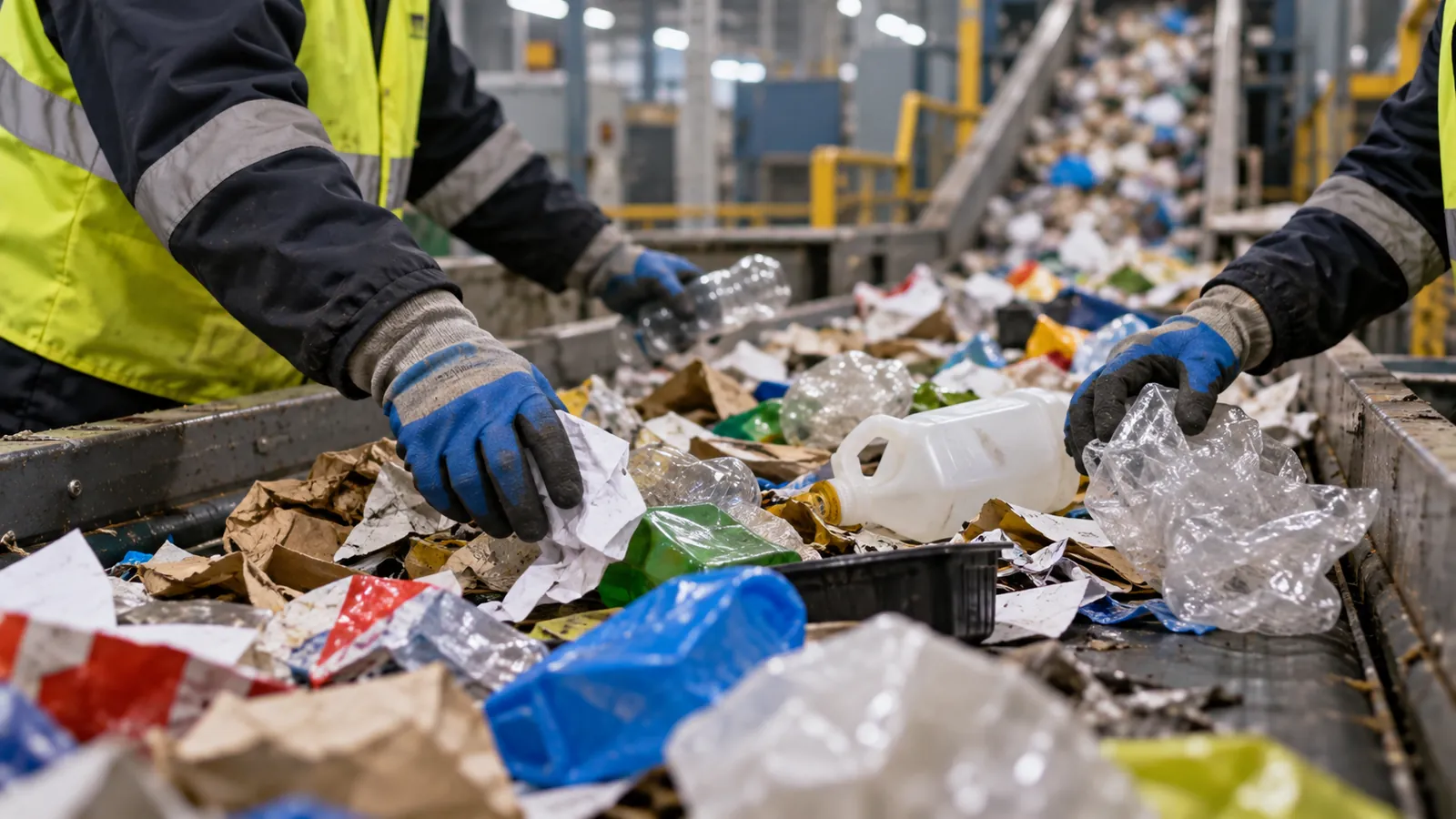
California SB 54: Plastic Packaging Producer Responsibility Explained
California SB 54 makes producers responsible for single-use packaging, with 2032 targets for recyclability, source reduction and recycling rates.
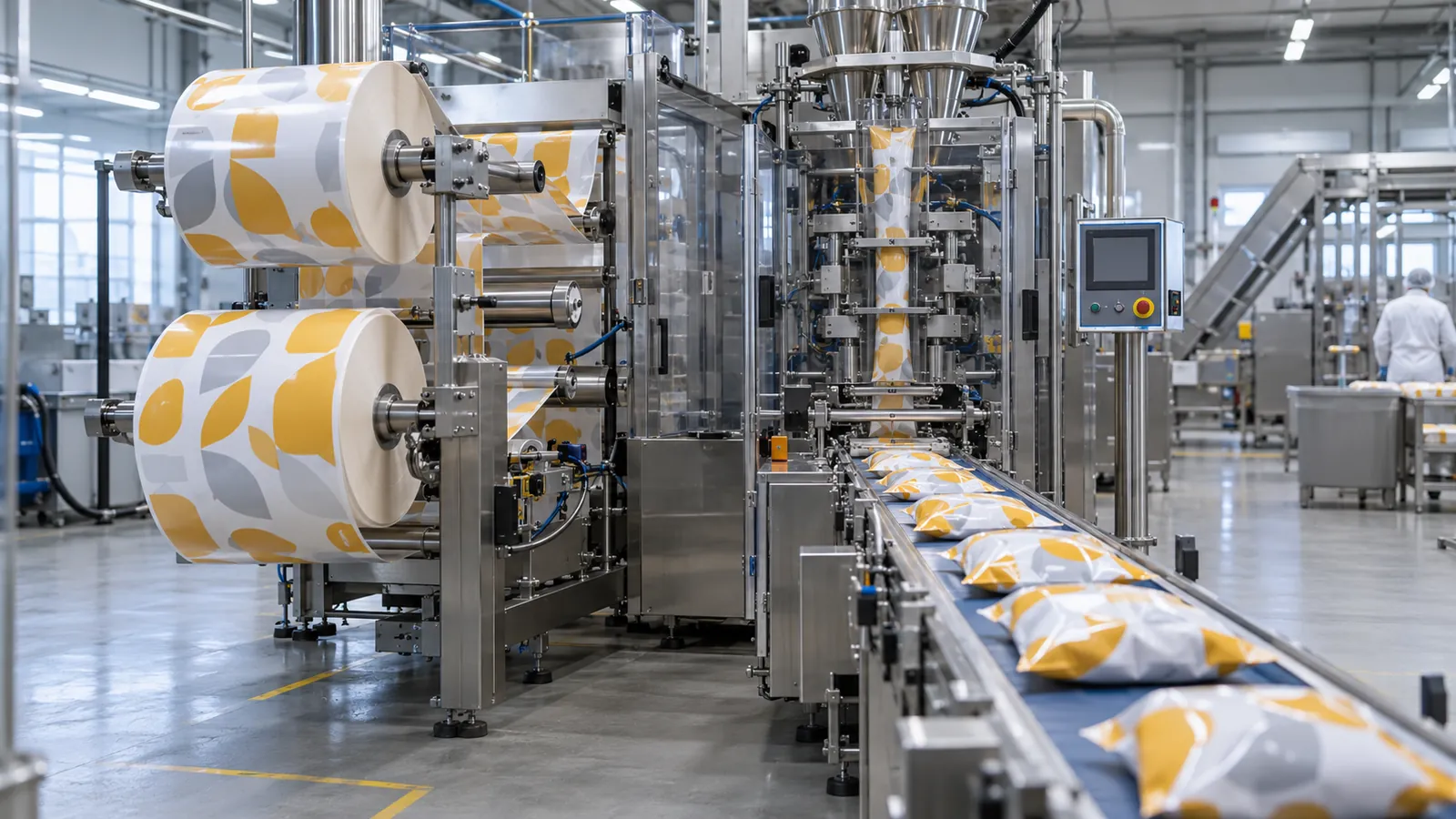
EU Packaging and Packaging Waste Regulation (PPWR): What It Means for Flexible Packaging
The PPWR, Regulation (EU) 2025/40, sets EU rules on recyclability, recycled content, labeling and PFAS. See the timeline and what it means for flexible packaging.

Food Contact Packaging Regulations: An Overview for Flexible Packaging
Food contact packaging regulations in the US and EU explained for flexible films and laminates: frameworks, migration testing, declarations and supplier questions.
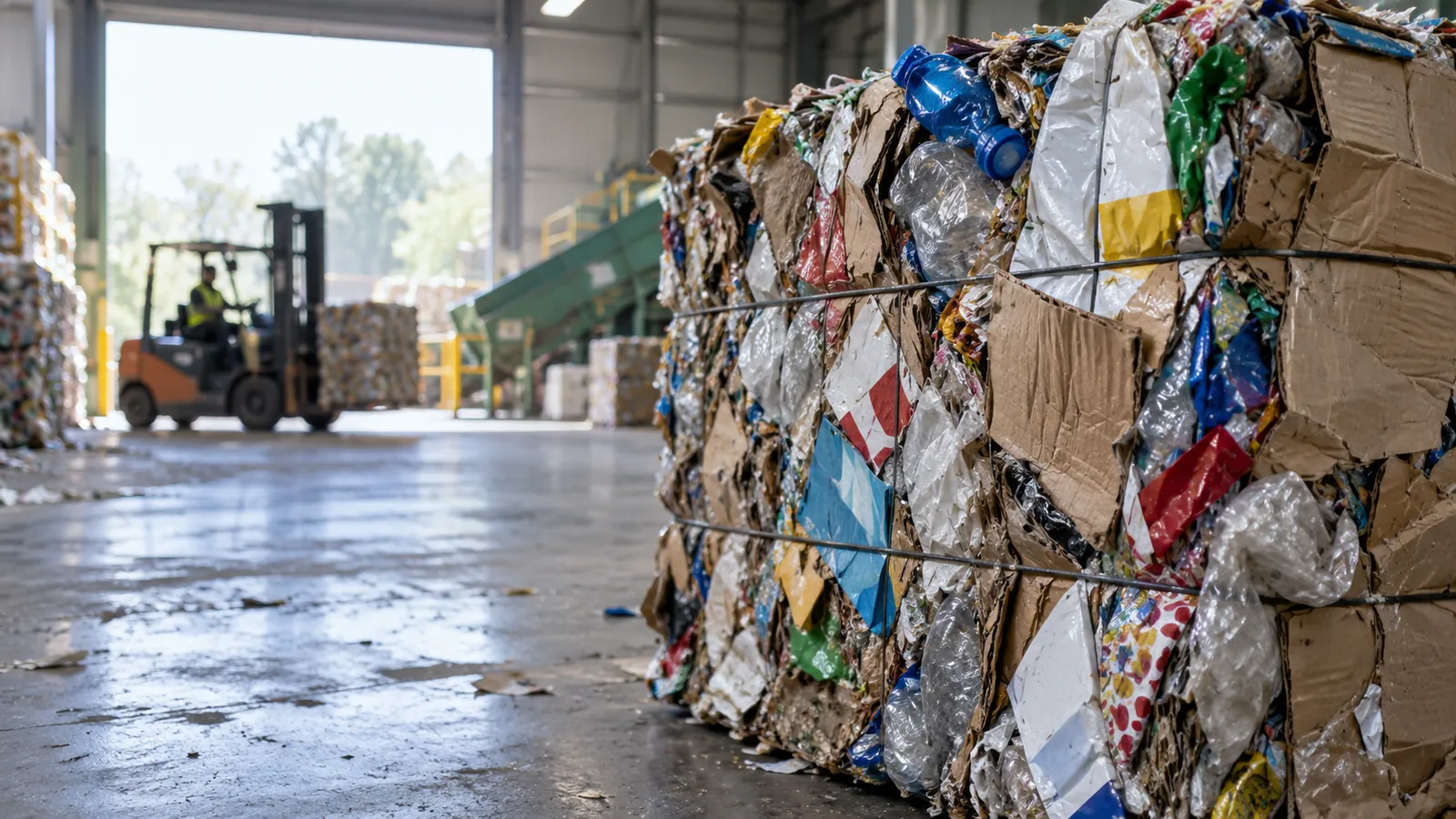
Packaging EPR: How Extended Producer Responsibility Works
Packaging EPR makes producers pay for the collection and recycling of their packaging; here is how schemes, fees and reporting work in the EU and US.
PPWR Recyclability Requirements: Design for Recycling Grades Explained
PPWR recyclability rules require recyclable EU packaging, with performance grades and criteria still to be set. See dates and design steps for flexible packaging.