
EU Packaging and Packaging Waste Regulation (PPWR): What It Means for Flexible Packaging
The PPWR, Regulation (EU) 2025/40, sets EU rules on recyclability, recycled content, labeling and PFAS. See the timeline and what it means for flexible packaging.
Applying one PPWR date to every duty risks missed deadlines and rejected packaging. The PPWR, Regulation (EU) 2025/40, sets EU packaging rules: it entered into force on 11 February 2025 and applies generally from 12 August 2026. Those dates do not start every obligation: recyclability, recycled content and labels have their own transitions. Start by identifying your legal role and the requirement that applies to the actual packaging unit.
Roles, obligations and evidence
Scroll horizontally to view all columns if needed. ↔
| Role to check | Current or later duty | Evidence to retain |
|---|---|---|
| Manufacturer, including qualifying own-brand arrangements | Applicable packaging requirements and conformity documentation; later design and content rules | Full structure, test reports, technical file and declaration |
| Importer or distributor | Applicable verification duties before supply | Manufacturer documentation, traceability and conformity checks |
| Producer under the member-state definition | Registration, reporting and EPR obligations in the relevant market | Responsible entity, packaging weights, quantities and national scheme records |
Roles can overlap. Use Articles 3, 15, 18-19 and 44-46 for the definitions and duties; buying a pouch does not by itself identify the responsible entity.
Takeaway: Record overlapping roles and keep their technical and reporting evidence together.
What the EU packaging regulation is
The European Commission describes the PPWR as covering the whole packaging life cycle: eco-design, recycled content, waste prevention, reuse and collection. Because it is a regulation and not a directive, it applies directly in all member states, which removes much of the patchwork of national packaging rules. Member states still run their own collection systems and producer responsibility schemes, and some details are left to them.
Separate three states: enacted requirements, technical methods awaiting secondary acts, and expressly scoped exceptions. A pending calculation method does not suspend an already applicable substance restriction.

PPWR timeline
Scroll horizontally to view all columns if needed. ↔
| Date or formula | Requirement and basis |
|---|---|
| 11 February 2025 | Entry into force, Article 71 |
| 12 August 2026 | General application; food-contact PFAS restriction, Article 5(5) |
| Later of 12 August 2028 and labeling implementing act entry into force + 24 months | Material-composition label, Article 12(1) |
| 1 January 2030 | Weight/volume minimization, Article 10; Annex V format restrictions |
| Later of 1 January 2030 and Article 6(4) delegated act entry into force + 24 months | Design-for-recycling criteria, Article 6(3) |
| Later of 1 January 2030 and Article 7(8) implementing act entry into force + three years | First plastic recycled-content minimums, Article 7(1) |
| Later of 1 January 2035 and Article 6(5) implementing act entry into force + five years | Recycled-at-scale condition, Article 6(3) |
These formulas use entry into force, not adoption. See PPWR recyclability for assessment grades and pending methods.
Takeaway: Use each provision’s application rule rather than one date for all duties.
Main requirement areas for flexible packaging
Recyclability
Article 6 sets recyclability requirements and Annex II sets grade thresholds; detailed design criteria and assessment methods depend on secondary legislation. Until those rules apply, the Commission’s guidance says manufacturers need only meet the older Packaging Directive requirements and related standards. A single-polymer design is one candidate, but it does not establish a legal recyclability grade; see mono-material packaging and design for recycling.
Recycled content for plastic packaging
Article 7(1)-(2) sets post-consumer recycled-content minimums by packaging type and format, calculated as an average per manufacturing plant and year:
Scroll horizontally to view all columns if needed. ↔
| Plastic packaging category | First minimum (later-of date above) | 2040 minimum |
|---|---|---|
| Contact-sensitive, PET as major component, excluding single-use beverage bottles | 30% | 50% |
| Other contact-sensitive, excluding single-use beverage bottles | 10% | 25% |
| Single-use plastic beverage bottles | 30% | 65% |
| Other plastic packaging | 35% | 65% |
Article 7(4) lists specific exclusions, including compostable plastic packaging and specified health-related uses. Article 7(5)(a) exempts food-contact plastic only where the required recycled quantity threatens health and results in non-compliance with Regulation 1935/2004. Article 7(5)(b) concerns any plastic part below 5% of the total weight of the whole packaging unit; it is an exception to paragraphs 1-2, not to all PPWR duties. Keep the category, denominator and applicable exception with the PCR packaging record.
Minimization and empty space
From 1 January 2030, packaging weight and volume must be reduced to the minimum needed for its function. A separate empty-space cap of 50% applies to grouped, transport and e-commerce packaging. Check whether each item is sales, grouped, transport or e-commerce packaging before applying the empty-space rule in Article 24. Downgauging film can help, though puncture and seal performance still need testing; see puncture resistant film.
Reuse
Reuse targets focus mainly on transport packaging, beverage and takeaway formats, so most consumer flexible packaging is affected indirectly. Delegated Decision (EU) 2026/429 was adopted on 25 February 2026 and published on 6 May 2026 and entered into force on 26 May 2026 (Article 2). It exempts the operators described in Article 29(2)-(3) using pallet wrappings and straps from those 100% reuse duties; it does not remove every transport-packaging reuse requirement.
Compostable packaging
Compostable packaging is not a general alternative to recyclable packaging under the PPWR. It is required only for a short list of items, such as permeable tea and coffee packaging, and member states may require it for others where bio-waste collection suits it. See compostable flexible packaging.
Labeling
A harmonized label, based on pictograms, will show material composition so consumers can sort packaging. It applies from 12 August 2028 or 24 months after entry into force of the implementing act that sets its specifications, whichever is later. Reuse labels follow from February 2029 on a similar basis. Recycled-content and bio-based labels are voluntary, but if used they must follow the EU technical specifications. Plan artwork changes with your converter’s print schedule.
Substances of concern
Article 5(5) prohibits placing food-contact packaging on the market from 12 August 2026 at or above:
- 25 ppb for any PFAS measured by targeted analysis, excluding polymeric PFAS.
- 250 ppb for the sum of targeted PFAS, with precursor degradation where applicable, excluding polymeric PFAS.
- 50 ppm for PFAS including polymeric PFAS. If total fluorine exceeds 50 mg/kg, evidence distinguishing PFAS from non-PFAS fluorine must be available on request for technical documentation.
Record the analytes, method and interpretation; a total-fluorine result alone is not the same as the targeted-PFAS result. Food-contact requirements remain a separate check.
Extended producer responsibility
Producers register, report and pay fees in the member state where the packaging is expected to become waste. The regulation provides for fees to reflect recyclability performance once the grades apply. See packaging EPR.
Takeaway: Keep the packaging category, percentage basis and exact exemption scope in the file.
How to prepare a flexible packaging range for the PPWR
Copy one record per SKU and market:
Scroll horizontally to view all columns if needed. ↔
| Field | Project entry |
|---|---|
| SKU / destination / responsible entity and roles | ___ |
| Full unit and components / material / grams | ___ |
| Food-contact use / PFAS report and method | ___ |
| Recyclability protocol version / assessment | ___ |
| Recycled-content category / percentage / denominator / exception | ___ |
| Applicable date / secondary-act reference | ___ |
| Declaration / technical file / evidence owner | ___ |
Keep national EPR registration and quantities alongside this technical file. A recyclability assessment does not substitute for producer reporting, and a recycled-content certificate does not establish food-contact compliance.
Scope: This overview is not a product compliance determination. Detailed methods remain dependent on the relevant secondary acts; exemptions apply only to their stated duties and packaging uses. Check the current legal text and national EPR requirements.
Questions and answers
Are PPWR and EPR the same?
PPWR includes packaging design and substance rules as well as producer-responsibility provisions. EPR is the registration, reporting and financing mechanism operating in the relevant market. A design-for-recycling assessment supports the technical file; it does not complete national EPR duties. See the EPR guide for the reporting record.
Sources
- Regulation (EU) 2025/40 on packaging and packaging waste, EUR-Lex
- Packaging waste, European Commission, DG Environment
- Facts about the new EU rules on packaging and packaging waste, European Commission
- FAQ on the Packaging and Packaging Waste Regulation, European Commission (3 August 2026)
- Guidance document on the PPWR, European Commission
Last checked: 8 October 2026. Regulations change; confirm the current text before relying on it.
Continue reading
Related articles
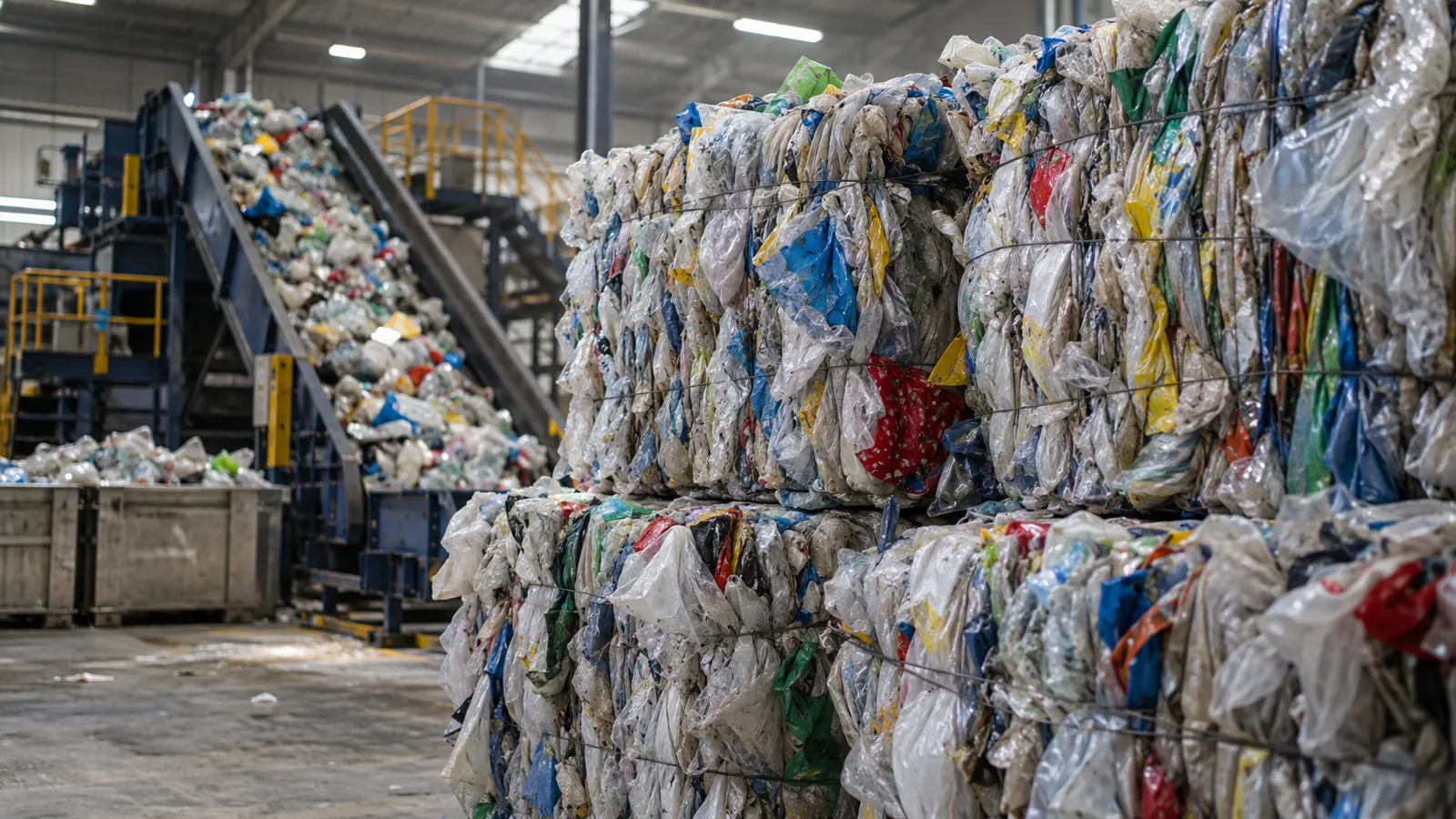
PPWR Recyclability Requirements: Design for Recycling Grades Explained
PPWR recyclability rules require recyclable EU packaging, with performance grades and criteria still to be set. See dates and design steps for flexible packaging.
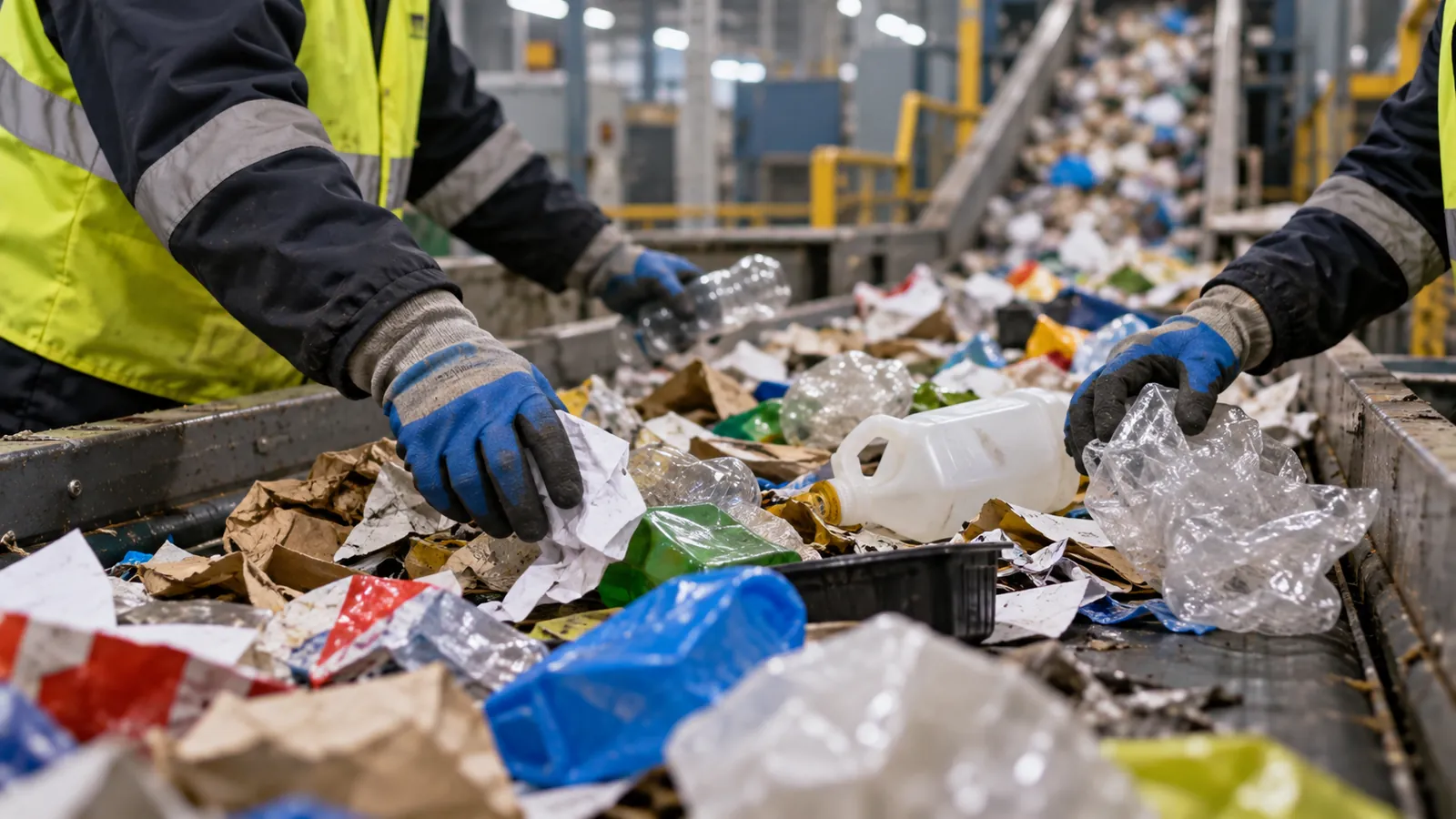
California SB 54: Plastic Packaging Producer Responsibility Explained
California SB 54 makes producers responsible for single-use packaging, with 2032 targets for recyclability, source reduction and recycling rates.
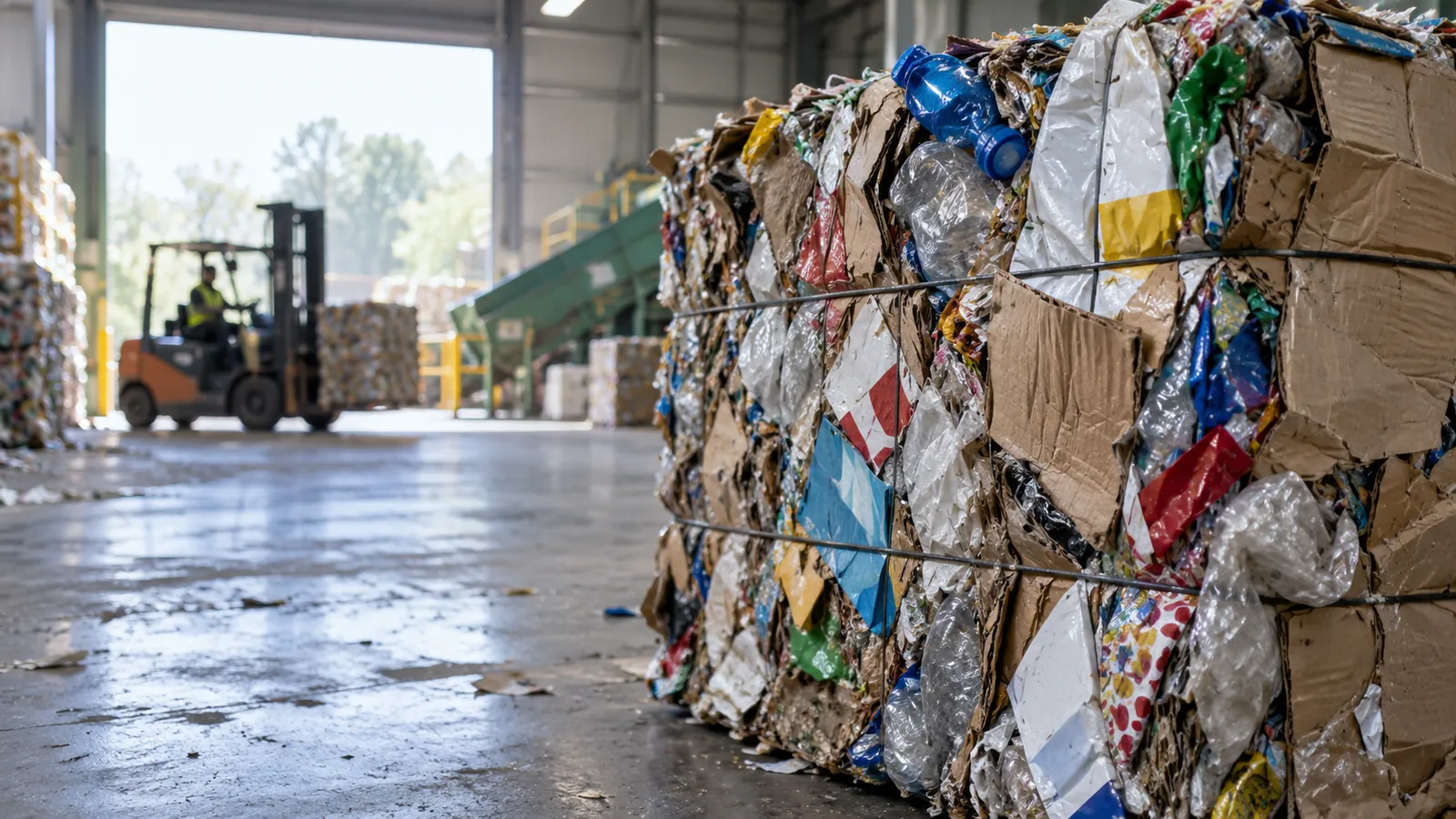
Packaging EPR: How Extended Producer Responsibility Works
Packaging EPR makes producers pay for the collection and recycling of their packaging; here is how schemes, fees and reporting work in the EU and US.