
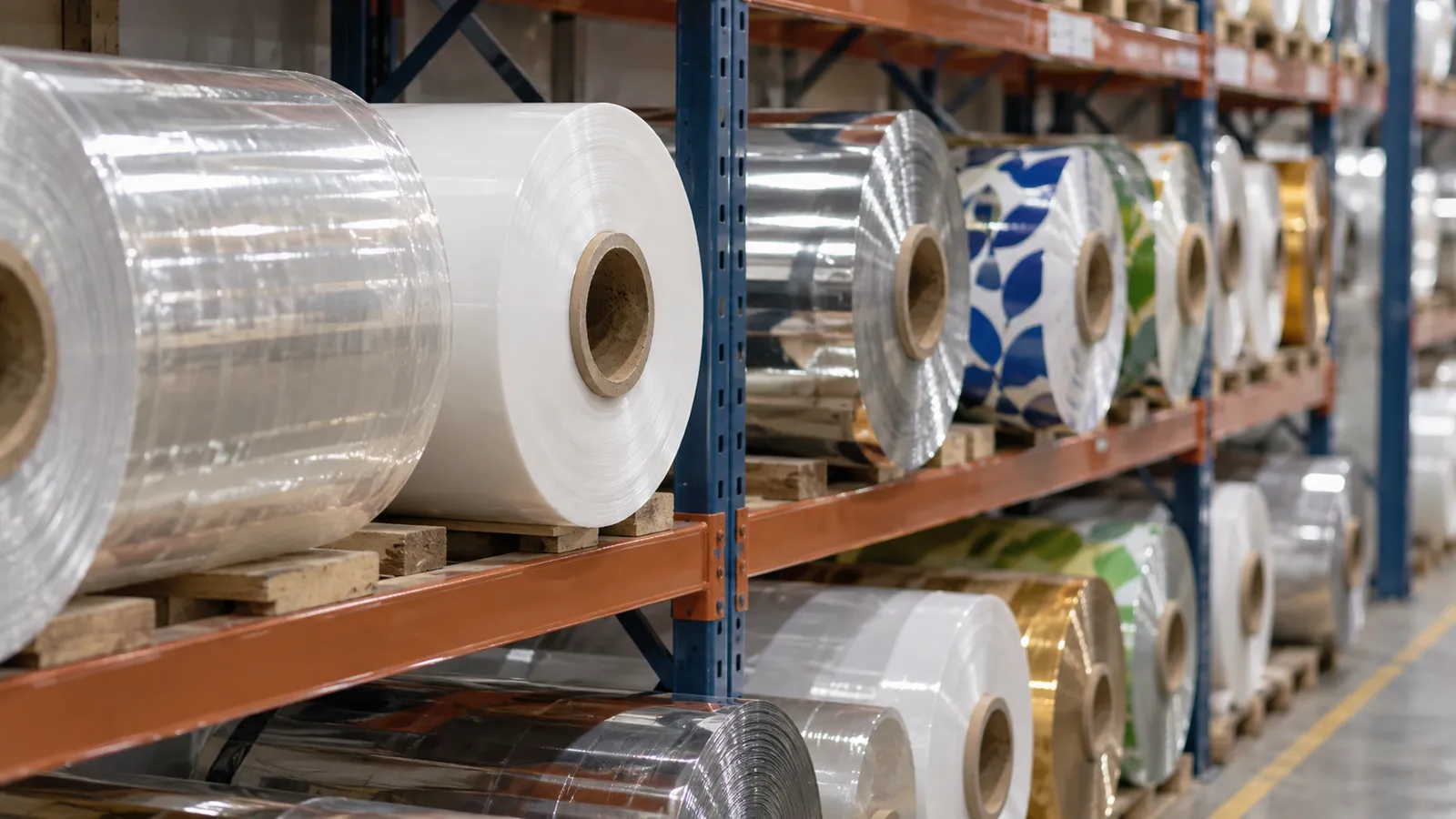
Topic hub
Flexible Packaging Materials: Films, Foils, Laminates and Barrier Materials
Flexible packaging materials include PE, PP, PET, nylon, EVOH, foil and paper. See what each does in a structure and how to choose between them.
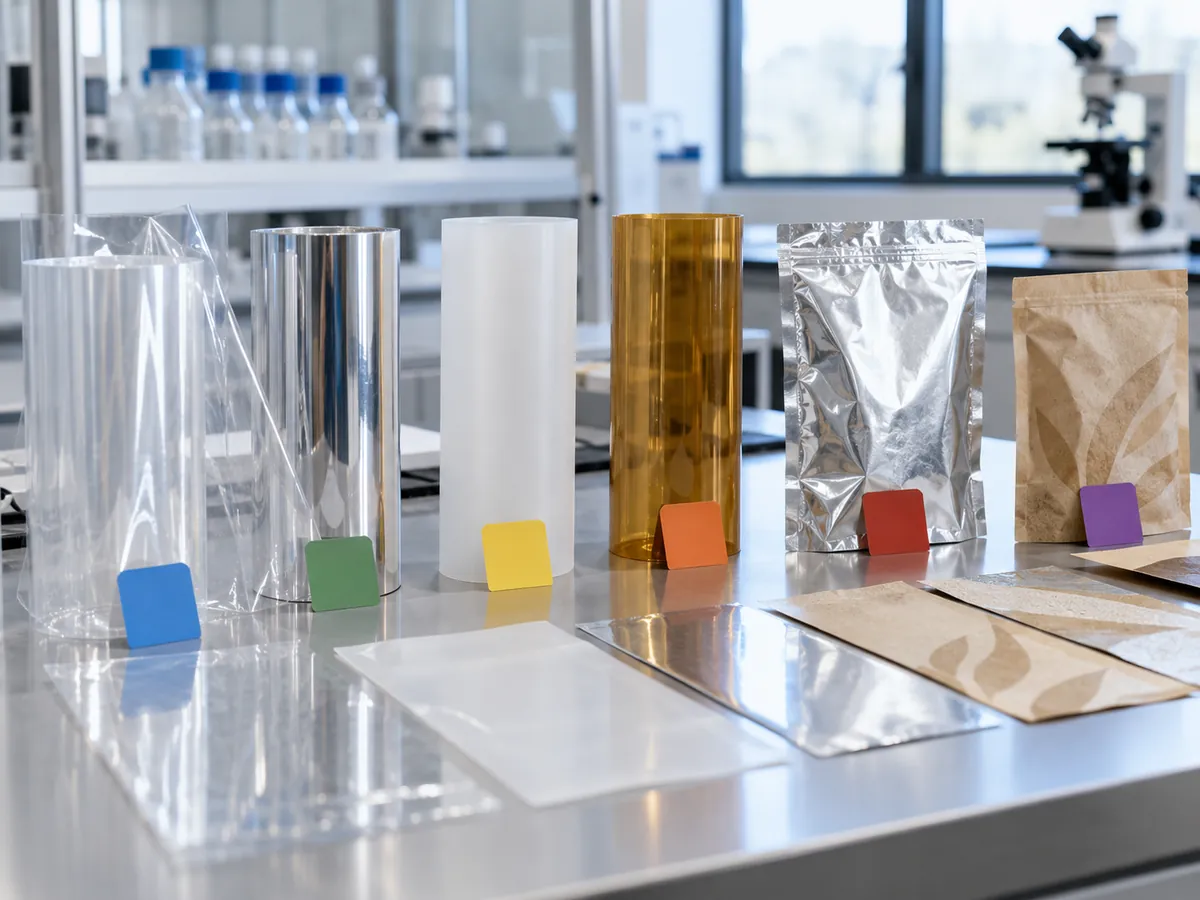
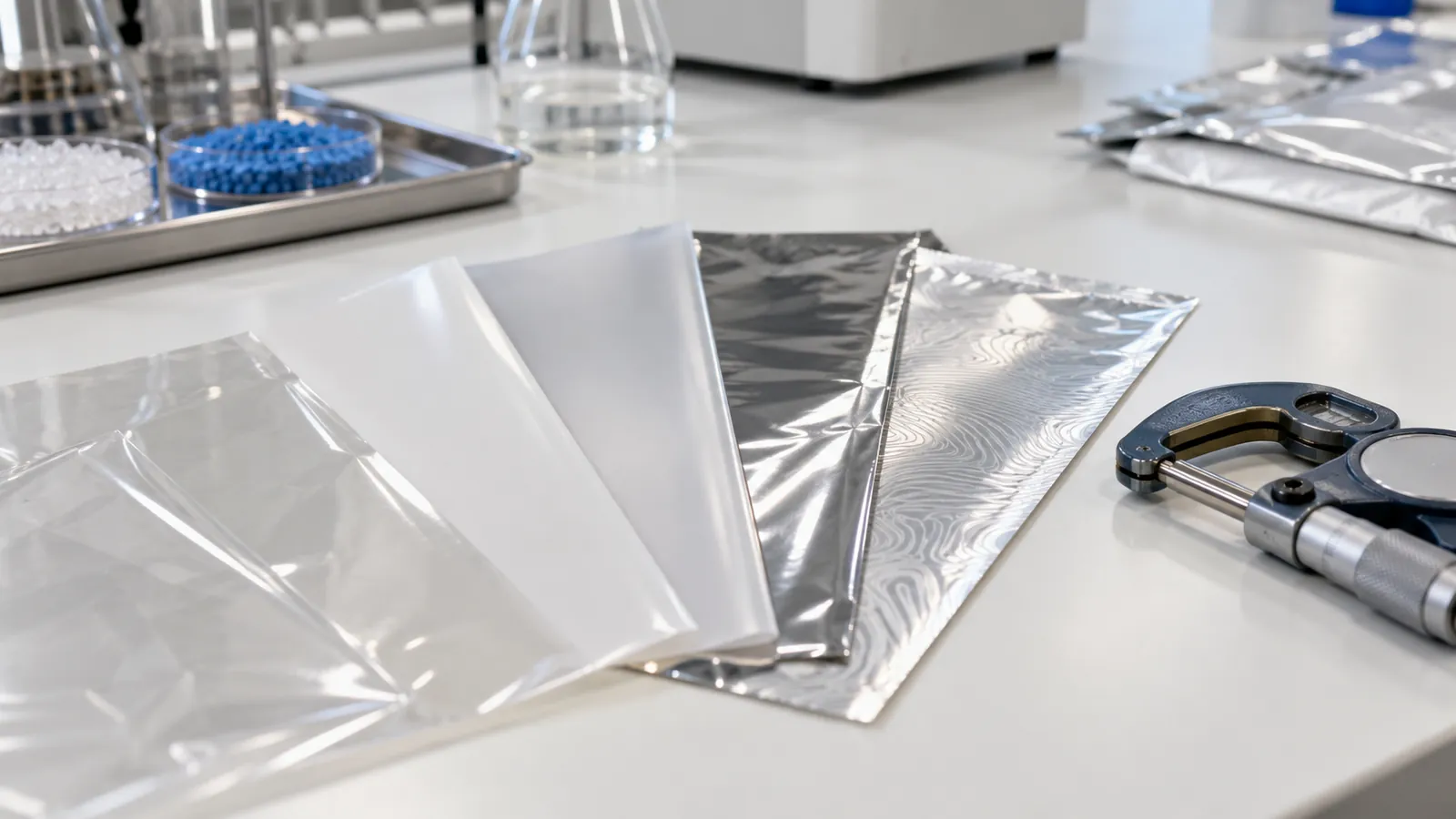
Flexible packaging materials are the films, foils, coatings and papers combined into pouches, wraps and lids. A mismatched barrier or sealant can shorten shelf life or leave seals unreliable. Select each layer for its job: sealing, printing, stiffness or barrier. To read any structure, you need to know what each family does well and where it falls short.
Materials come first in the site’s chain of material, properties, format, machine and application. This page maps the families. The linked pages cover each one in detail, and flexible packaging explains how the pieces fit together.
Choose a material by its role
Scroll horizontally to view all columns if needed. ↔
| Role | Candidate materials | Key restriction to check |
|---|---|---|
| Sealing | PE, CPP, sealable BOPP | Grade, sealing face and machine window |
| Print and stiffness | BOPP, PET, paper | Surface treatment, dimensional stability and laminate build |
| Puncture and flex resistance | Nylon, protective outer films | Finished structure, humidity and handling |
| Oxygen barrier | EVOH, PVDC, metallized or oxide-coated film, foil | Temperature, humidity and post-converting transmission |
| Moisture barrier | PE, PP, PVDC, metallized or oxide-coated film, foil | WVTR at intended storage conditions |
| Light protection | Foil, metallized or opaque layers | Actual light transmission; a clear gas barrier is not a light barrier |
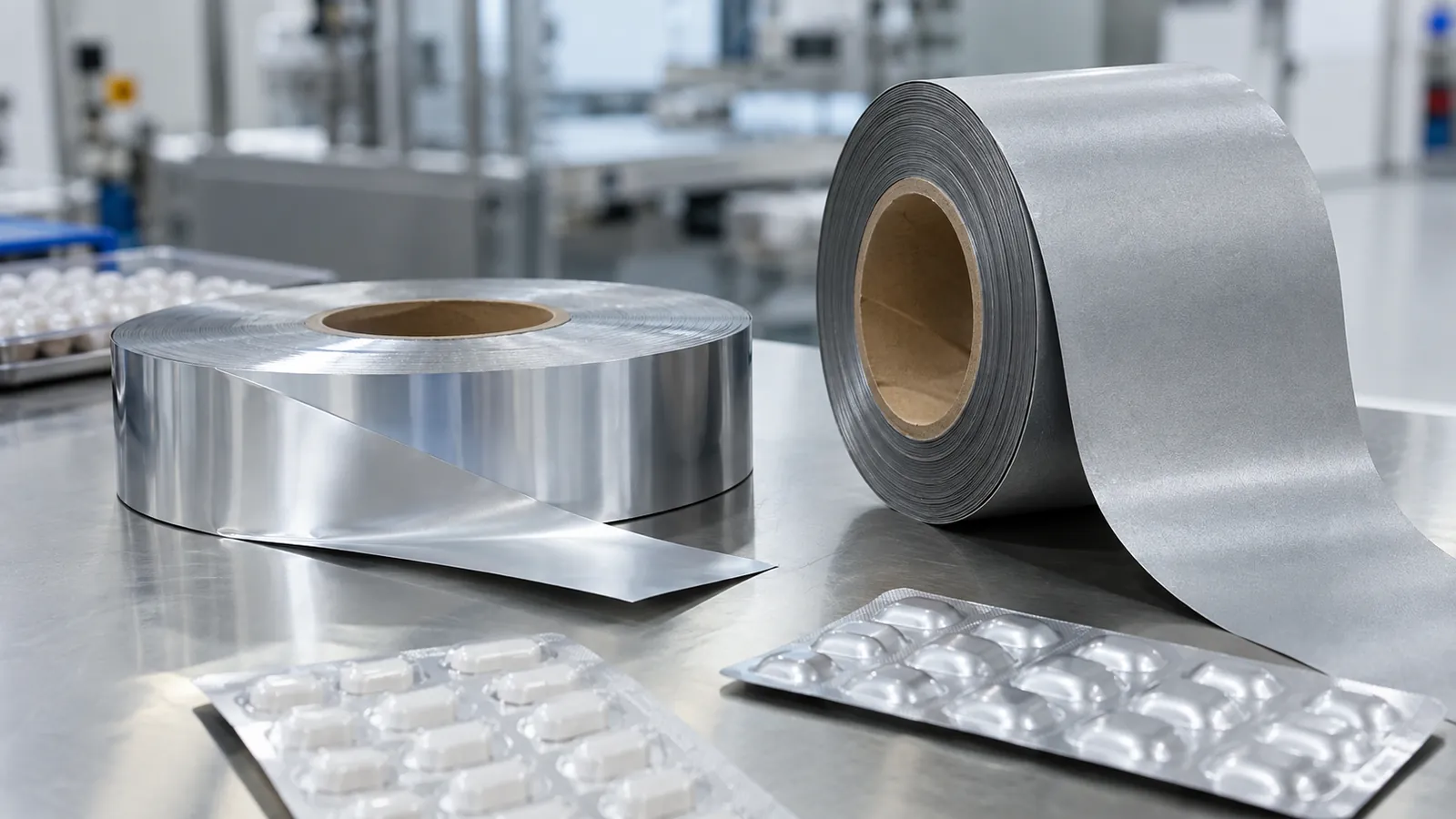
| Blister lid or cavity | Lidding foil or cold-form laminate | Different parts; match lid lacquer to the forming web |
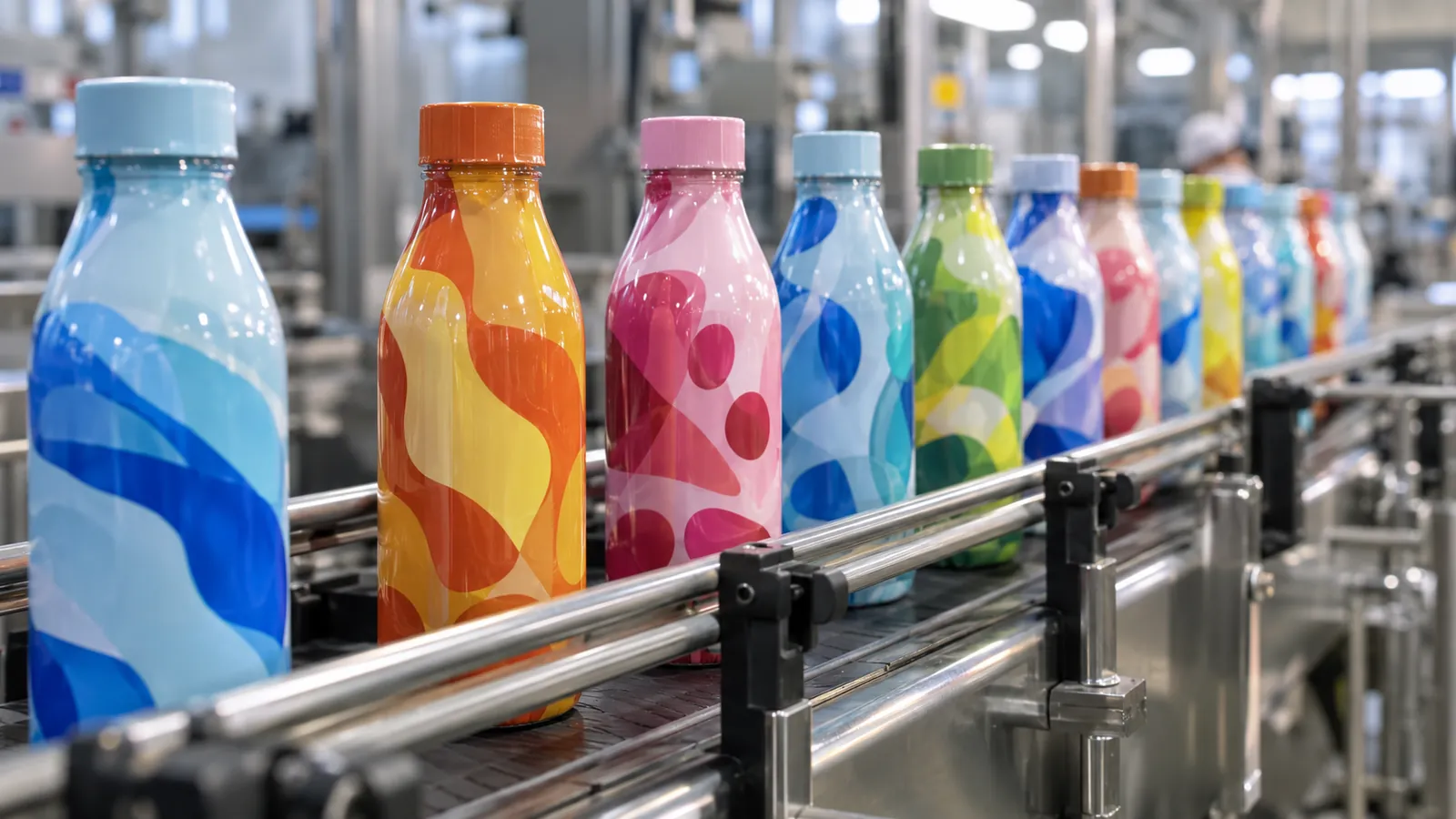
| Shrink wrapping | PVC, PETG, OPS, POF | Grade-specific shrink response and product heat tolerance |
Use these as candidates, not measured rankings. Thickness, grade and converting change the result.
The main material families
Polyolefins: PE and PP
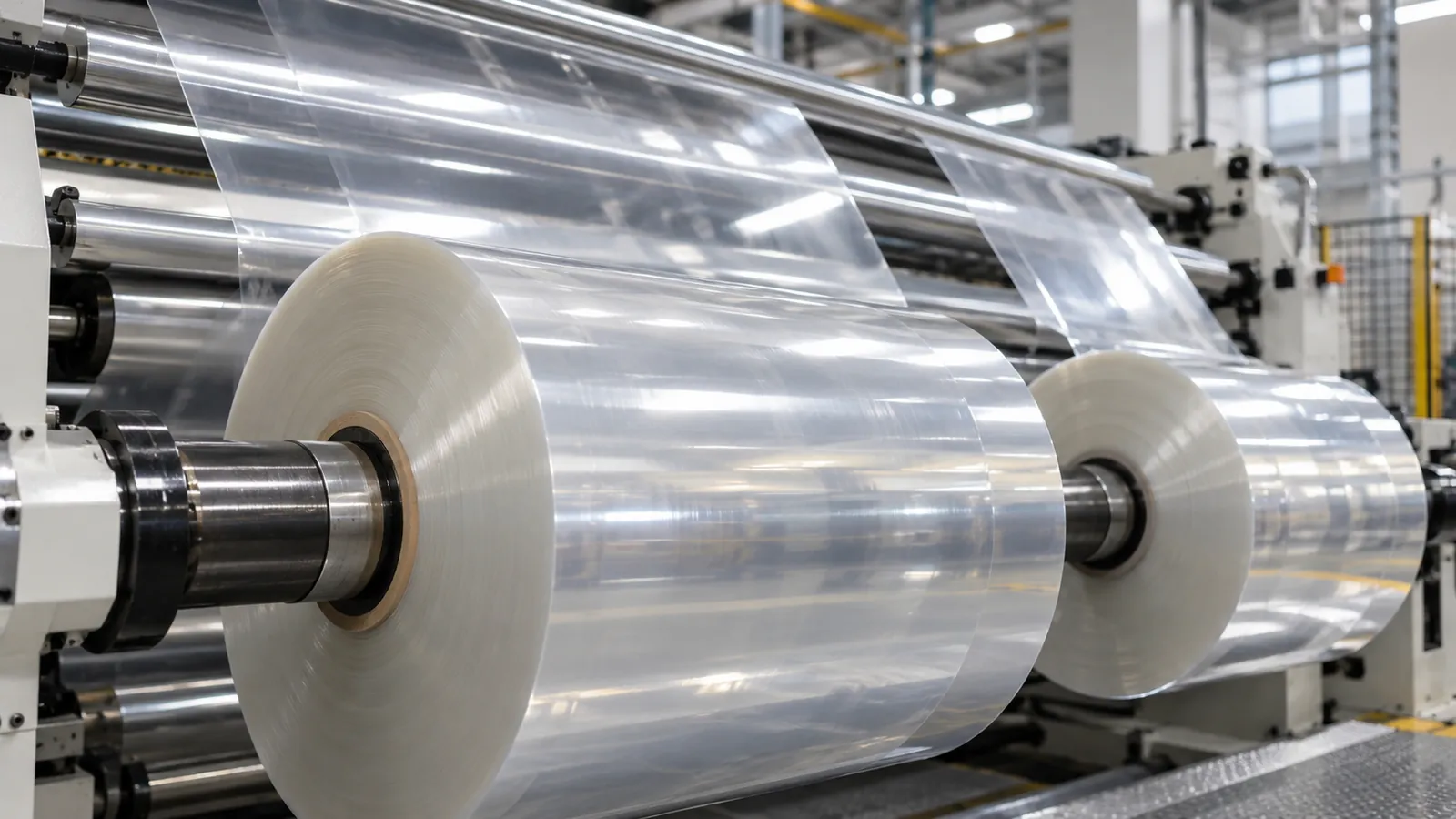
Polyethylene (PE) is the standard sealant. It seals at relatively low temperatures, resists moisture and is tough, which is why it sits on the inside of most pouches. LDPE, LLDPE and HDPE differ in stiffness, clarity and seal behavior; see PE film, and the individual grades in LDPE film, LLDPE film and HDPE film. Polypropylene comes as cast polypropylene (CPP), used for sealing and clarity, and as biaxially oriented polypropylene (BOPP), a stiff, clear, printable film covered in BOPP film. The polypropylene film overview compares the family, and CPP film covers the cast grade in detail. Both are good moisture barriers and weak oxygen barriers.
Polyester: PET and BOPET
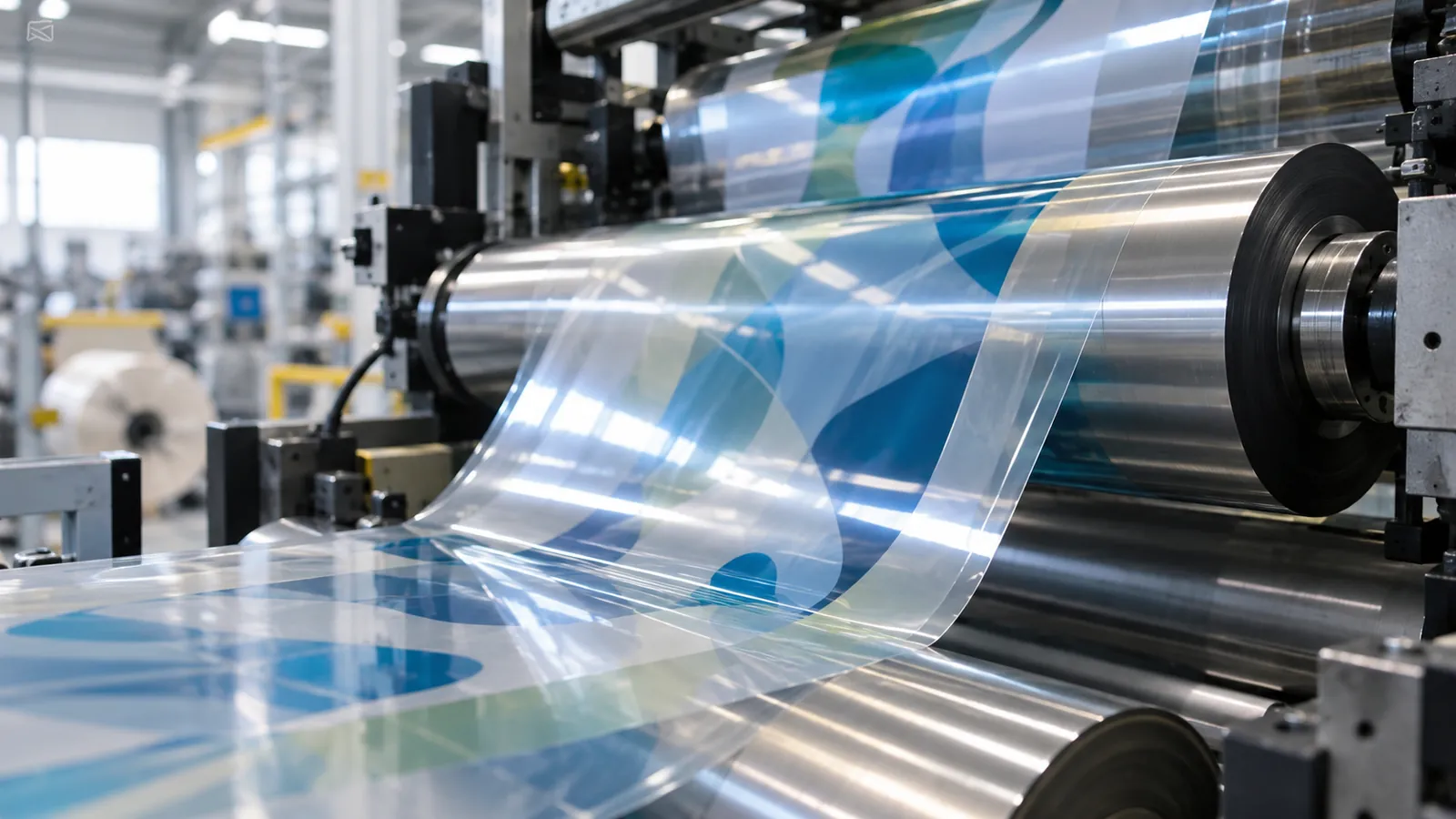
Oriented PET is stiff, heat resistant, dimensionally stable and prints very well. It is the usual outer layer in laminates and the base for metallized and oxide-coated films. It also has moderate oxygen barrier compared with the polyolefins. See PET film.
Polyamide: nylon and BOPA
Nylon adds puncture and flex resistance, which is why it appears in vacuum pouches and structures for sharp or heavy contents. It absorbs moisture, which changes its properties, and it is a moderate oxygen barrier. It is available as cast and as biaxially oriented film; see nylon film.
EVOH
Ethylene vinyl alcohol is among the best oxygen barrier polymers in dry conditions. It is usually coextruded as a thin inner layer and loses barrier as humidity rises, so it is typically protected between moisture-resistant layers. See EVOH film and barrier film.
PVDC coatings
Polyvinylidene chloride coatings provide both oxygen and moisture barrier in a thin layer. They are used on films like BOPP and PET and in some pharmaceutical and food packaging, though the chlorine content has led some brand owners and regions to move away from them.
Metallized films
A vacuum-deposited layer of aluminum, a fraction of a micron thick, is applied to PET, BOPP, CPP or other substrates. It improves oxygen, moisture and light barrier compared with the base film at much lower cost and weight than foil. Metallized layers can crack with flexing. See metallized film.
Oxide-coated films (AlOx and SiOx)
Aluminum oxide or silicon oxide is deposited on a film, usually PET, to produce a transparent barrier. They offer transparent oxygen and moisture barrier. A manufacturer’s transparent-barrier film description describes microwave heating and metal-detector compatibility for its non-metallic barrier film. That is a coating/film characteristic: the complete laminate, inks, adhesives, closures and intended heating conditions still need confirmation. Like metallization, they can lose barrier if flexed or creased. See high barrier film.
Aluminum foil
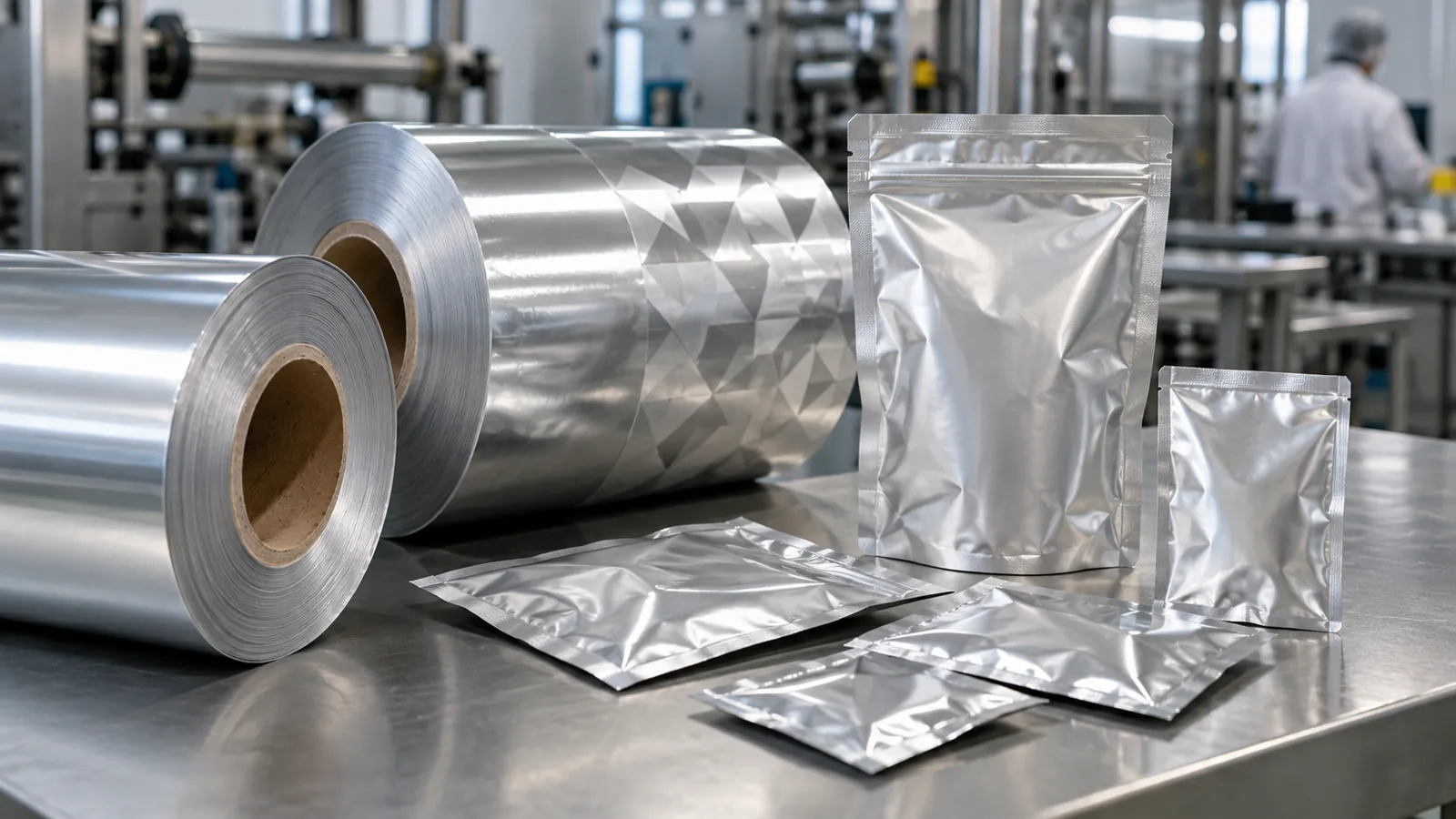
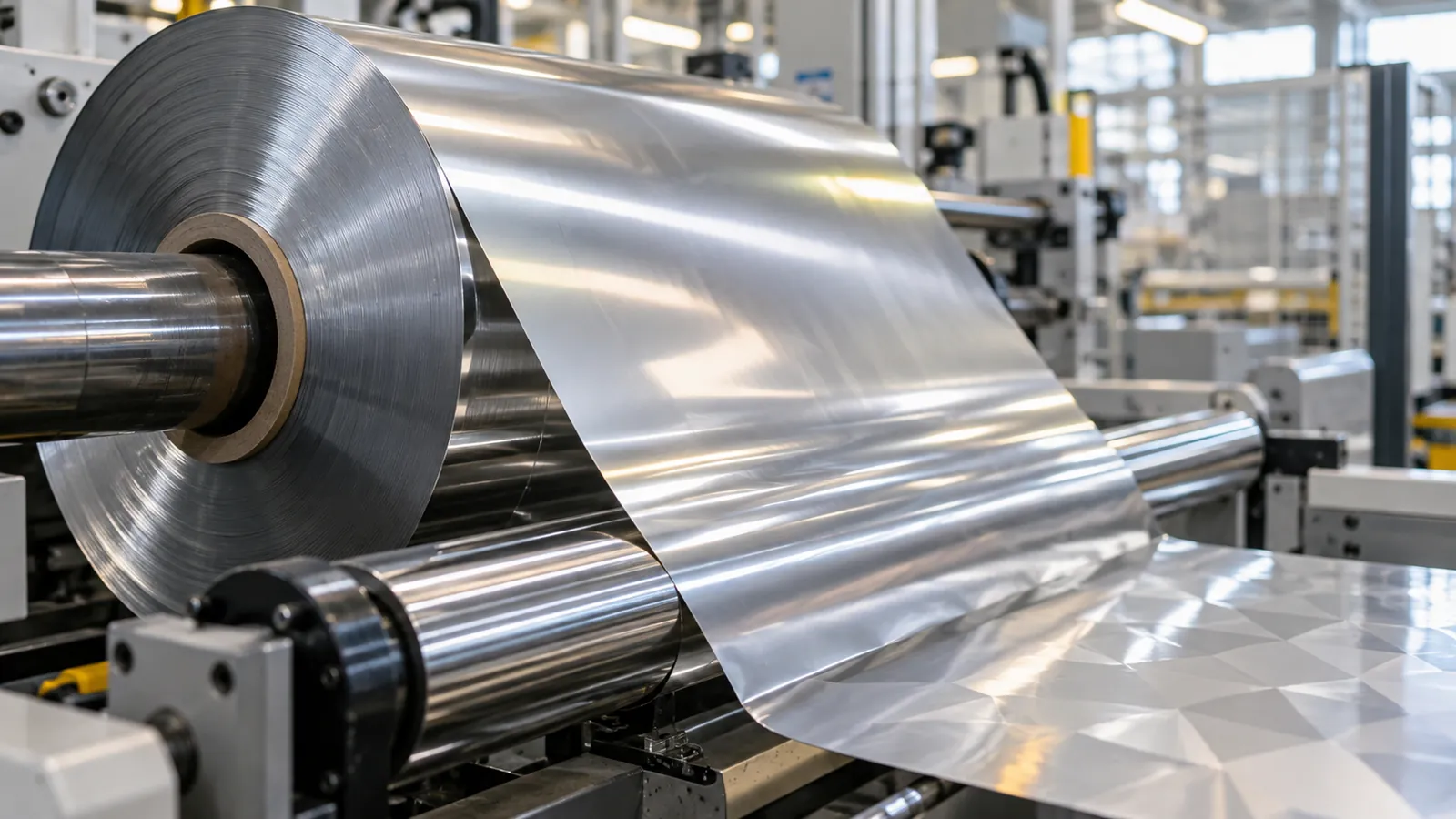
Foil is the benchmark for barrier. Intact foil is a complete barrier to gas, moisture and light, though thin foil can have pinholes. It is heavier and less recyclable in laminates, and it can crack when folded. See aluminum foil packaging and blister foil. Foil is also used as a heat-seal cover in lidding foil, as the forming web in cold form foil, and in full-foil alu-alu blisters.
Paper
Paper gives stiffness, a print surface and a natural look. On its own it has little barrier, so it is combined with PE, foil or other coatings. Paper-based packs are a growing part of sustainable flexible packaging, though barrier and heat-seal demands limit where paper works.
For paper-coating news, the paper-coating dispersion carbon-claim review keeps binder carbon accounting separate from complete-package performance.
For liquid sample materials, the coated-paper sachet review distinguishes the reported trial from coating, seam and recovery evidence.
Shrink films: PVC, PETG, POF
Shrink films are oriented during manufacture and shrink when heated, to wrap products tightly. PVC shrink film, PETG shrink film and POF shrink film differ in shrink behavior, clarity, seal strength and end-of-life concerns. OPS shrink film is a further option for full-body sleeves. The overview is in shrink film.
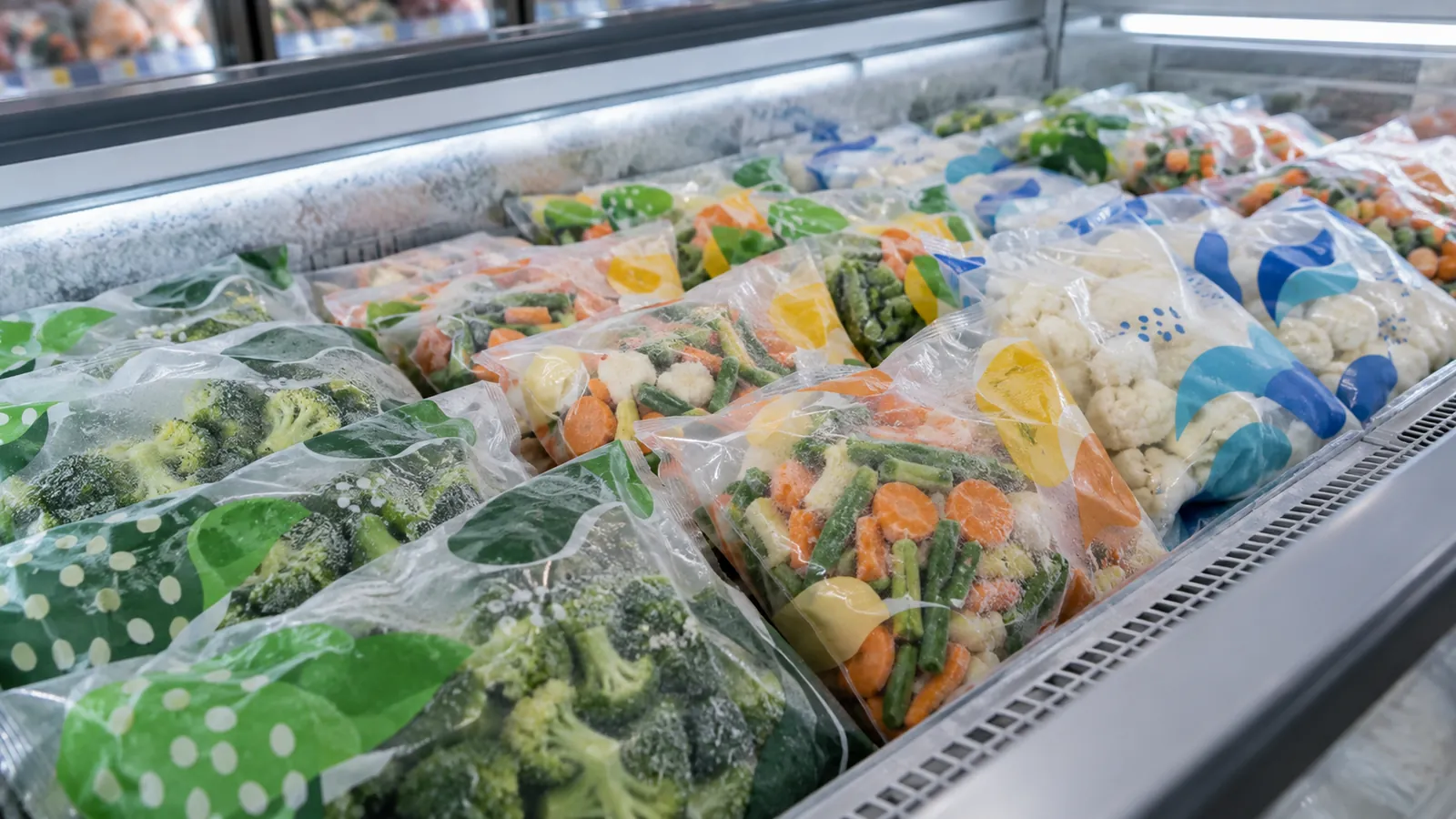
For emerging food-pack materials, the PEF agreement review separates conditional future supply from tray, lid and barrier evidence.
Choosing between similar materials
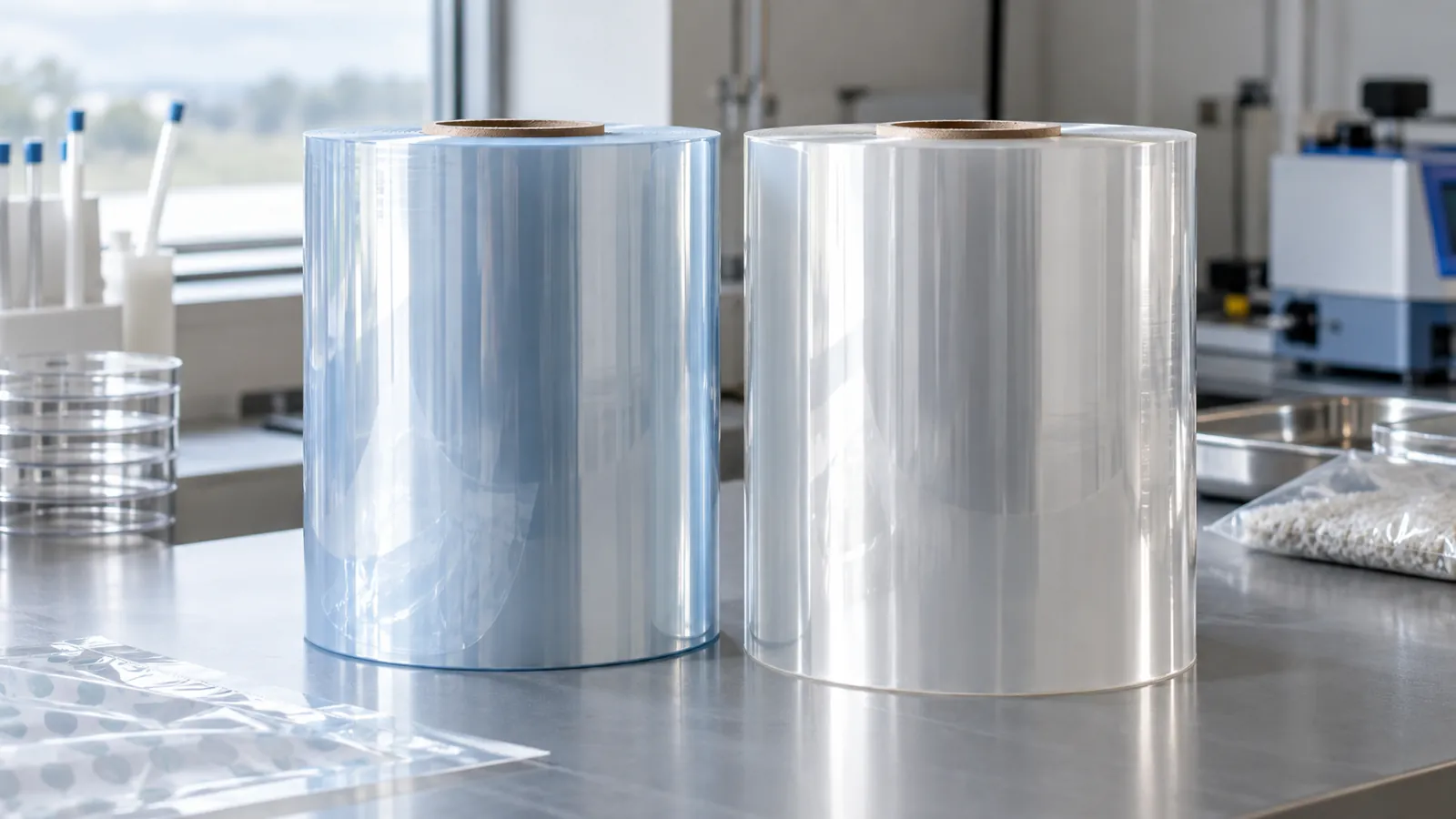
Some decisions come down to two close options. PET vs BOPP film compares the two common outer webs, while BOPP vs CPP separates oriented from cast polypropylene. Within polyethylene, LDPE vs LLDPE explains why blends are common. For shrink sleeves, compare PVC vs PETG and PETG vs OPS, and for pharmaceutical blisters, blister foil vs cold form foil sets lidding against forming foil.
From material to structure
Materials rarely stand alone. They are assembled by coextrusion or lamination into structures like PET/AL/PE or BOPP/metBOPP/CPP. Layer arrangement and bonding are covered in flexible packaging film, and the polymer-by-polymer comparison is in packaging film types. Barrier is covered in barrier film and high barrier film.
For a current coffee-pouch announcement, the coffee-pouch material evidence review separates the valve description from film, seal and recycling documents.
Choosing materials step by step
- Start with the product. List what it must be protected from (oxygen, moisture, light, aroma loss, grease, puncture) and for how long.
- Set barrier targets with test conditions. Use OTR and WVTR numbers measured at stated temperature and humidity, then see what each material can reach. Shelf-life testing confirms the choice.
- Pick the sealant for the machine and the seal need. The sealant has to run on your equipment; see machine compatibility.
- Choose the outer layer for print and stiffness. PET and BOPP are the most common options.
- Check end-of-life. Mono-material and recyclable designs limit your combinations. Regulations and collection systems vary by market, so confirm the rules for where you sell.
- Compare suppliers on data sheets, not names. The specification guide lists what to ask.
The property differences quoted here are general, so confirm any figure with the supplier’s data sheet for the specific grade.
Where flexible packaging fits among the types of packaging materials
There is no single standard list of “the 7 types of packaging materials”. Lists of seven usually come from splitting packaging by base material. One verifiable way to arrive at seven is the US EPA’s containers and packaging data for 2018, which reports glass, steel, aluminum, paper and paperboard, plastics, wood, and a small group of other materials such as textile bags. Other sources count differently. Eurostat’s 2023 packaging-waste data, extracted in October 2025, groups aluminium and steel together as metal. Treat any count as a framework, not an industry rule.
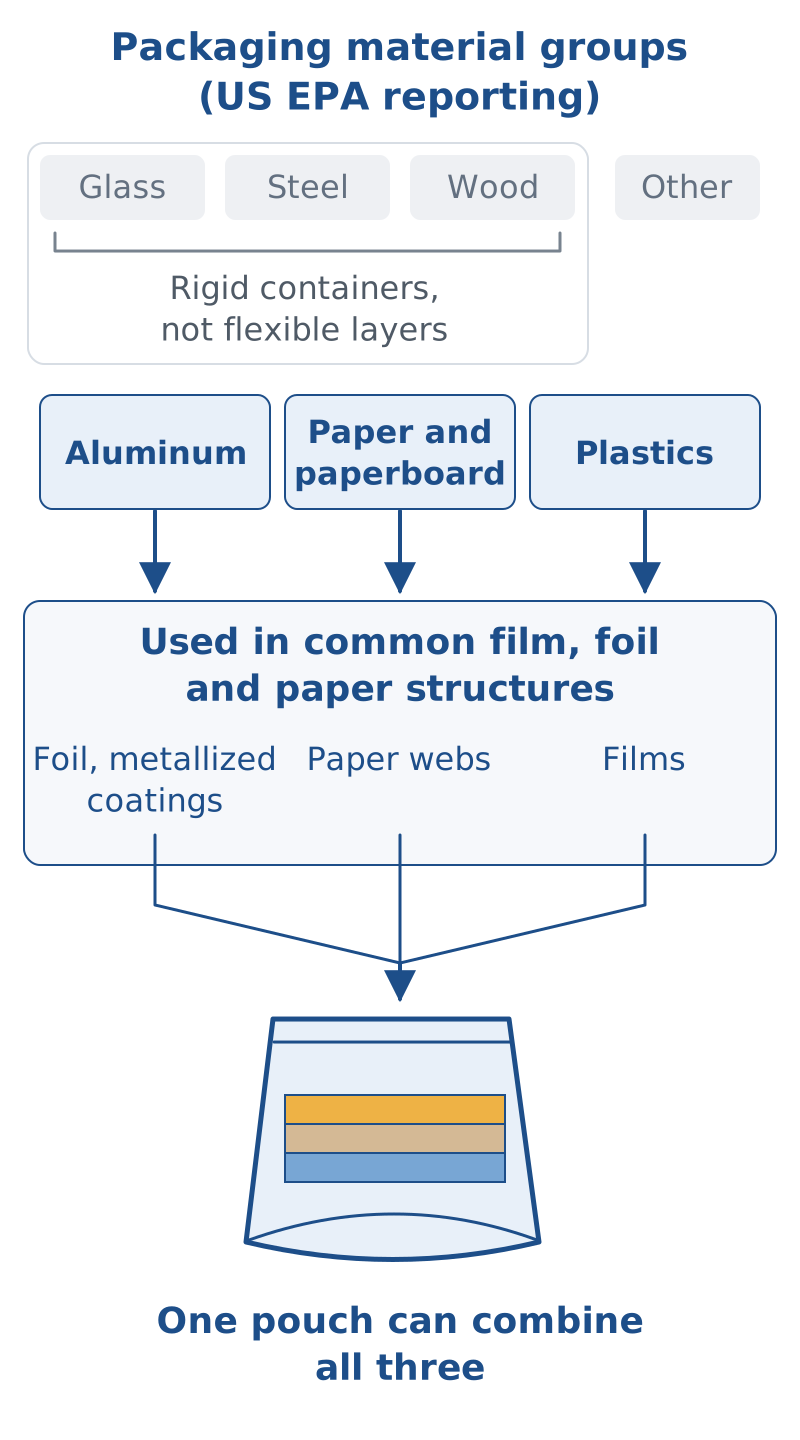
The common film, foil and paper structures covered on this site draw on three of those groups, and often combine them. Some flexible packs are made from other materials, such as textile bags, which the EPA counts under “other”, or cellulose-based films. This hub does not cover them:
Scroll horizontally to view all columns if needed. ↔
| Packaging material group | Role in flexible packaging | Where to read more |
|---|---|---|
| Plastics | Most films: sealants, print webs, strength and barrier polymers | Packaging film types |
| Aluminum | Foil layers and vacuum-metallized coatings | Aluminum foil, metallized film |
| Paper and paperboard | Paper outer webs with a coating or film layer | Paper flexible packaging |
| Glass | Rigid-container comparison | Flexible vs rigid packaging |
| Steel | Rigid-container comparison | Flexible vs rigid packaging |
| Wood | Rigid-container comparison | Flexible vs rigid packaging |
| Other materials | Includes textile packaging; outside this film-focused hub | EPA reporting page above |
This is why a material-by-material list fits film-based flexible packaging badly. A single pouch can be PET, aluminum foil and PE at once, so this page sorts materials by the job they do in a structure instead. Barrier packaging materials are not a separate group either: they are plastics such as EVOH, aluminum as foil or metallizing, or thin coatings such as PVDC, AlOx and SiOx. The family descriptions above cover these roles.
Sources and method
The EPA and Eurostat links above describe waste-reporting categories, not film grades. The transparent-coating link is a manufacturer’s public description, not a recommendation or a test by this site. Sources checked October 8, 2026; the role matrix organizes selection checks rather than specifying performance values.
Materials
In this section

Alu-Alu Blister Packaging: When Full-Foil Blisters Make Sense
Alu alu blister packaging uses a cold-formed foil cavity and foil lid for near-total barrier. See when it is chosen and how it compares with PVC blisters.
Aluminum Foil Packaging: Foil Laminates, Gauges and Uses
Aluminum foil packaging explained: why foil gives near-complete barrier, layer thickness and temper, laminate structures, uses and recycling limits.
Avantium and kp PEF: evidence before a packaging material switch
Read the Avantium and kp PEF reservation agreement through tray, lid and barrier evidence, conditional future supply and questions for US projects.
Barrier Film for Packaging: Oxygen, Moisture, Light and Aroma Barriers
Barrier film slows the passage of oxygen, water vapor, light and aroma through packaging. See which materials block what and how barrier is measured.

BASF paper coating dispersions: reading the carbon claim
Separate BASF's mass-balance carbon claim from coating performance, qualification and US supply evidence before reviewing a paper packaging change.
Blister Foil vs Cold Form Foil: Lidding vs Forming Foil Compared
Blister foil vs cold form foil: one is the thin lidding foil, the other the formable laminate that becomes the cavity. See how they differ and work together.

Blister Foil: Lidding Foils for Pharmaceutical Blister Packs
Blister foil is aluminum-based lidding for pharmaceutical blister packs. Learn lidding types, lacquers, sealing variables and checks.
BOPP Film for Packaging: Types, Properties and Uses
BOPP packaging film explained: what biaxial orientation does, the main grades from clear to metallized, sealing options and typical uses.
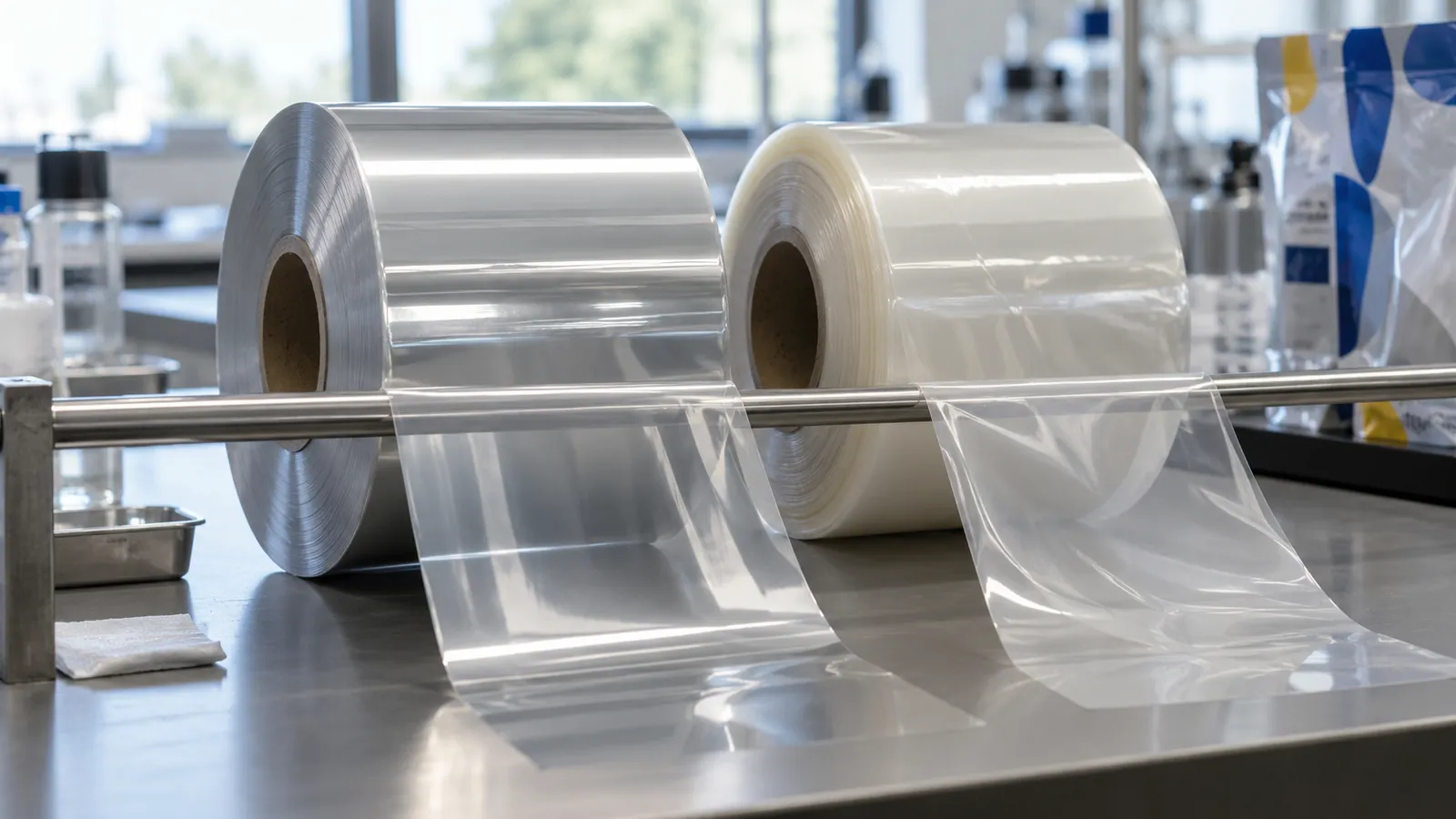
BOPP vs CPP: Oriented vs Cast Polypropylene Film
BOPP vs CPP compared: oriented versus cast polypropylene film on stiffness, clarity, sealing, heat resistance, barrier, recyclability and where each is used.
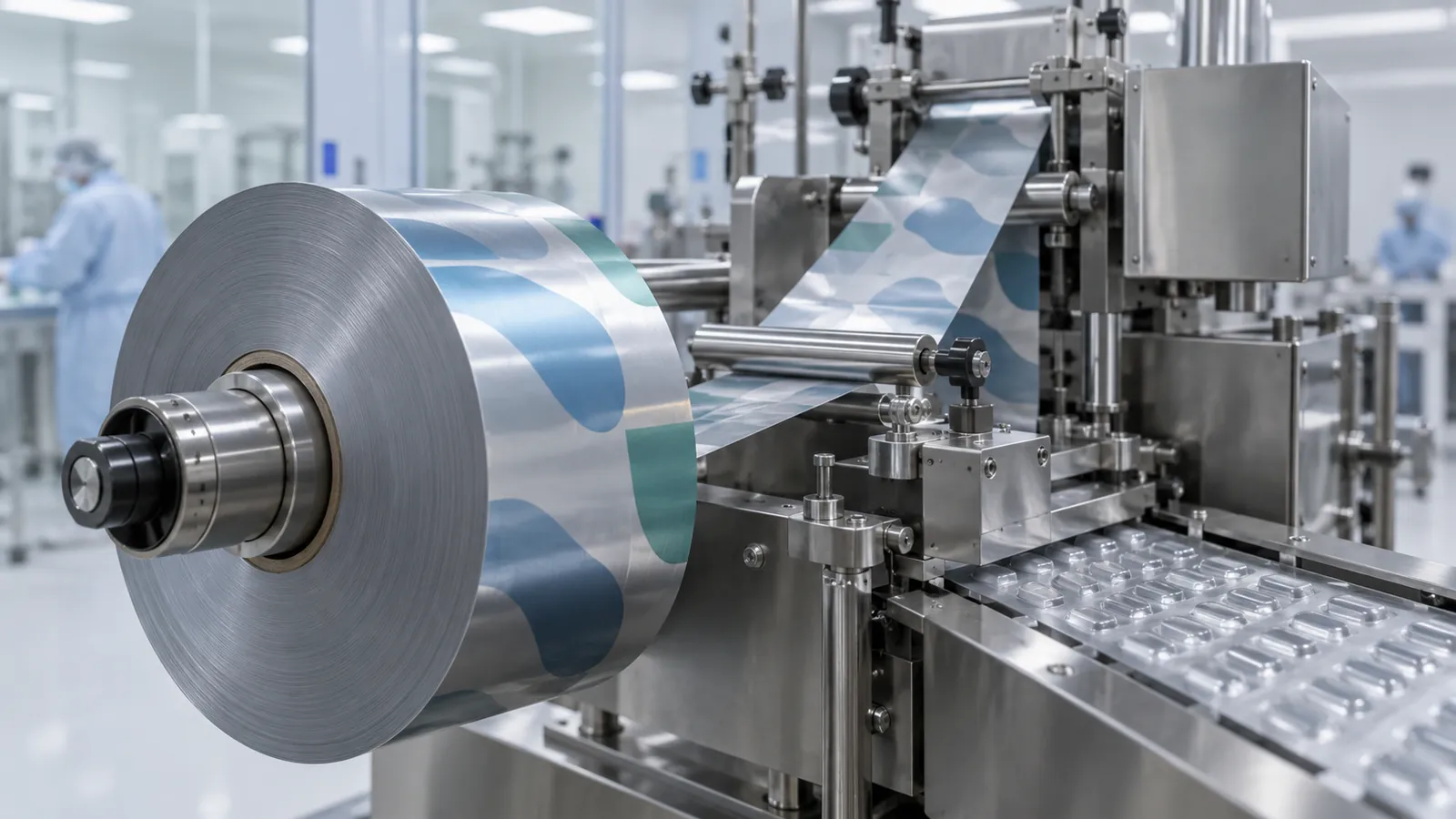
Cold Form Foil: Laminates for Alu-Alu Blisters
Cold form foil is a soft aluminum laminate pressed into blister cavities without heat. Learn the OPA/Al/PVC build, forming limits, defects and checks.
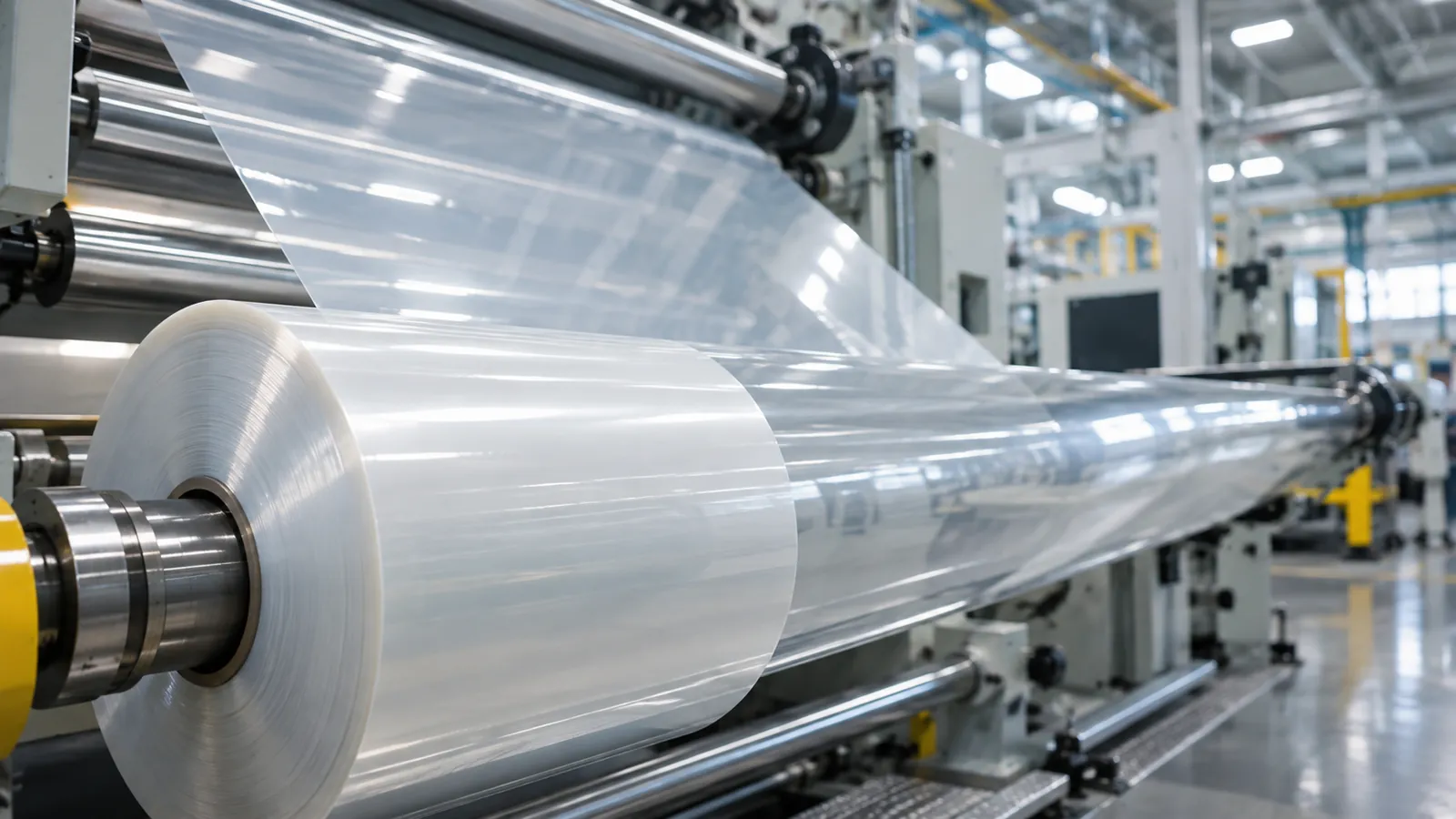
CPP Film for Packaging: Cast Polypropylene Explained
CPP film packaging uses cast polypropylene for clear, soft, heat-sealable layers. Learn the grades, uses and how CPP compares with LLDPE sealant.
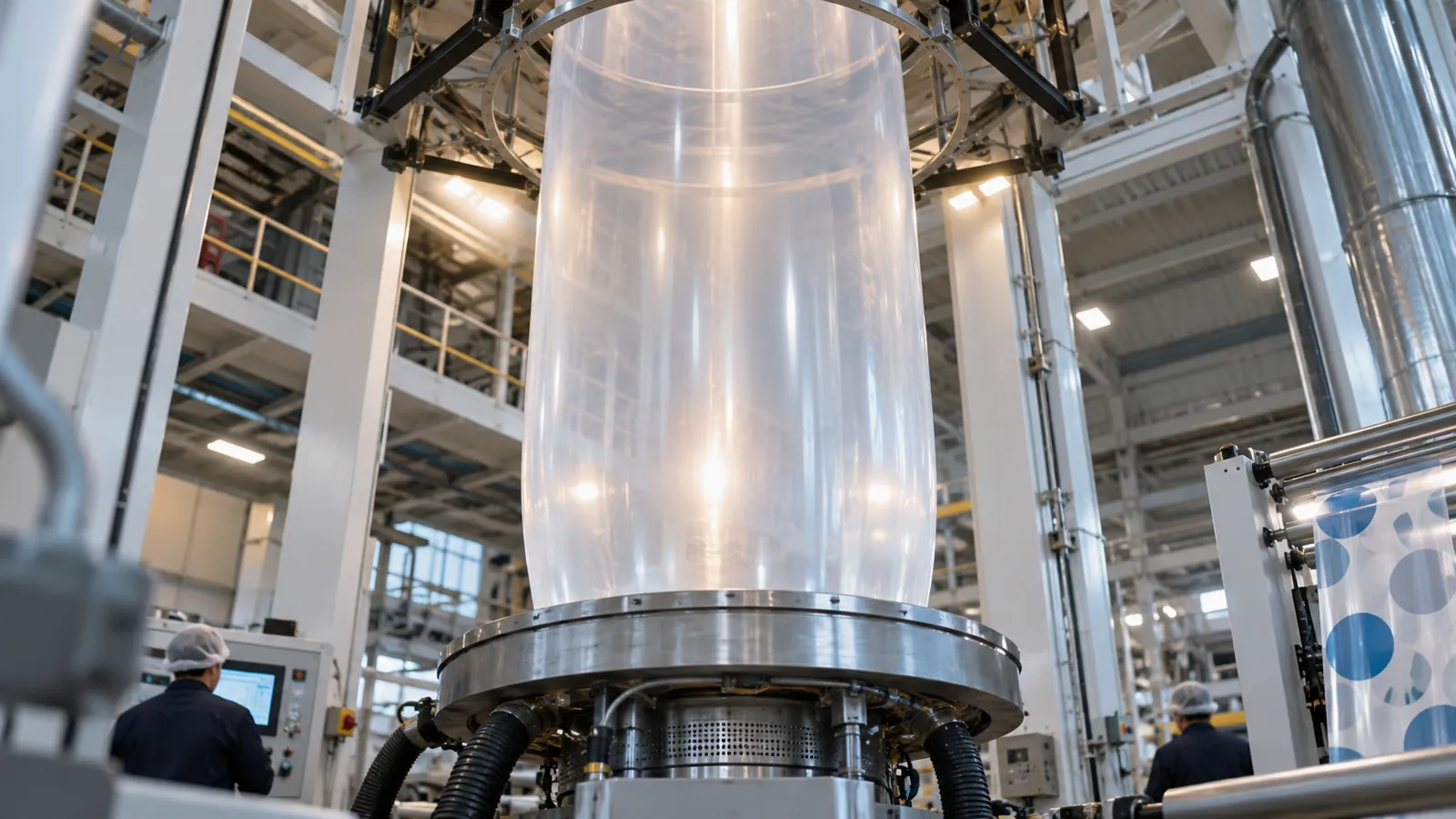
EVOH Barrier Film: How EVOH Works in Packaging
EVOH barrier film adds very high oxygen barrier when dry, but it needs protection from humidity. Learn structures, trade-offs and recycling issues.
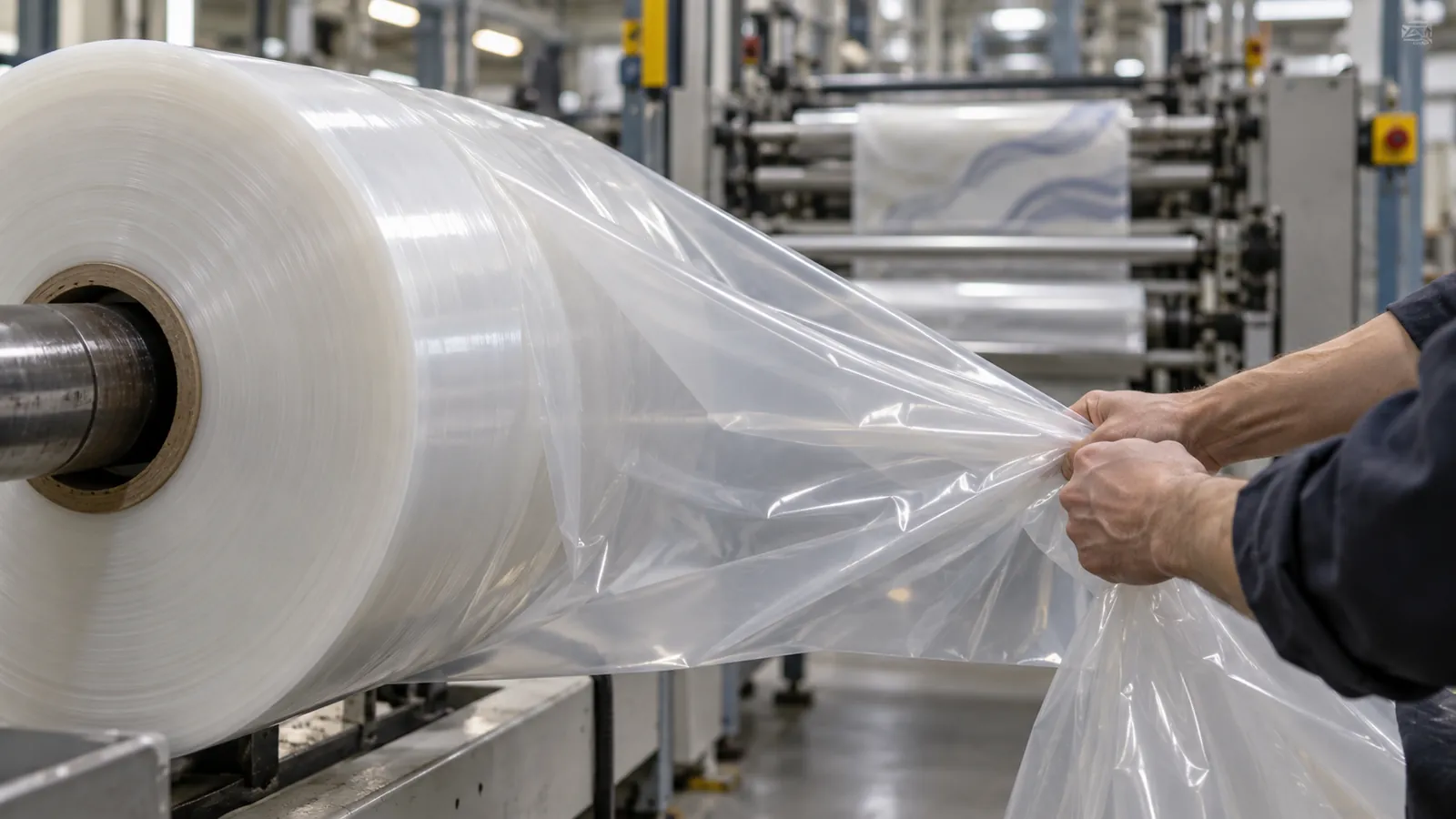
HDPE Packaging Film: Stiffness, Moisture Barrier and Uses
HDPE packaging film explained: stiffness, moisture barrier, dead-fold and crinkle, uses in liners, bags and MDO-HDPE mono-PE structures, and its limits.
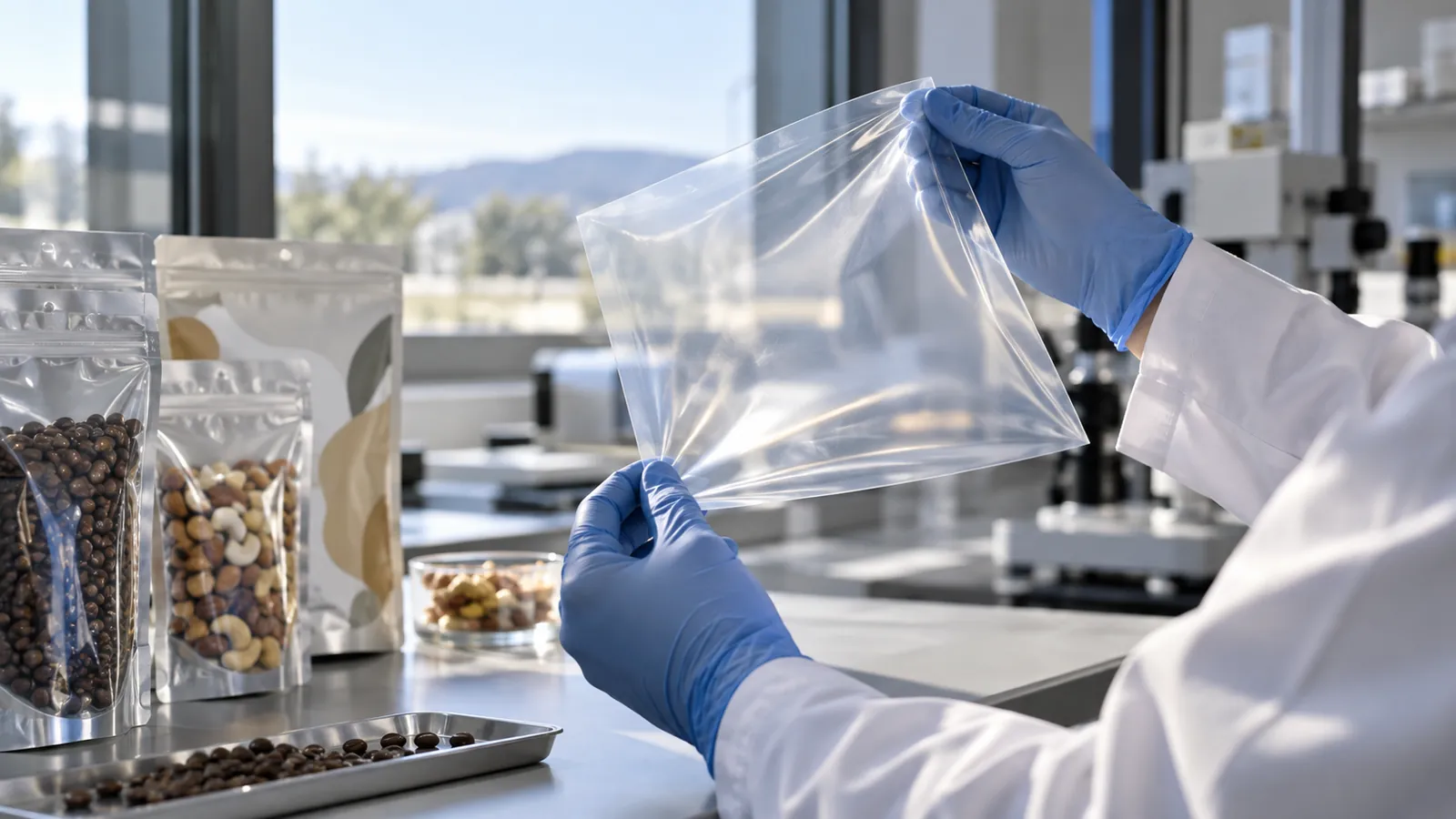
High Barrier Film: Structures, Materials and When You Need One
High barrier film keeps oxygen and moisture transmission very low. See common structures, trade-offs, typical products and how to specify one.

Kelpi and Bower paper sachet: material questions after the trial
Review the Kelpi and Bower coated-paper sachet trial through material, liquid-contact, sealing and US recycling questions before planning a change.
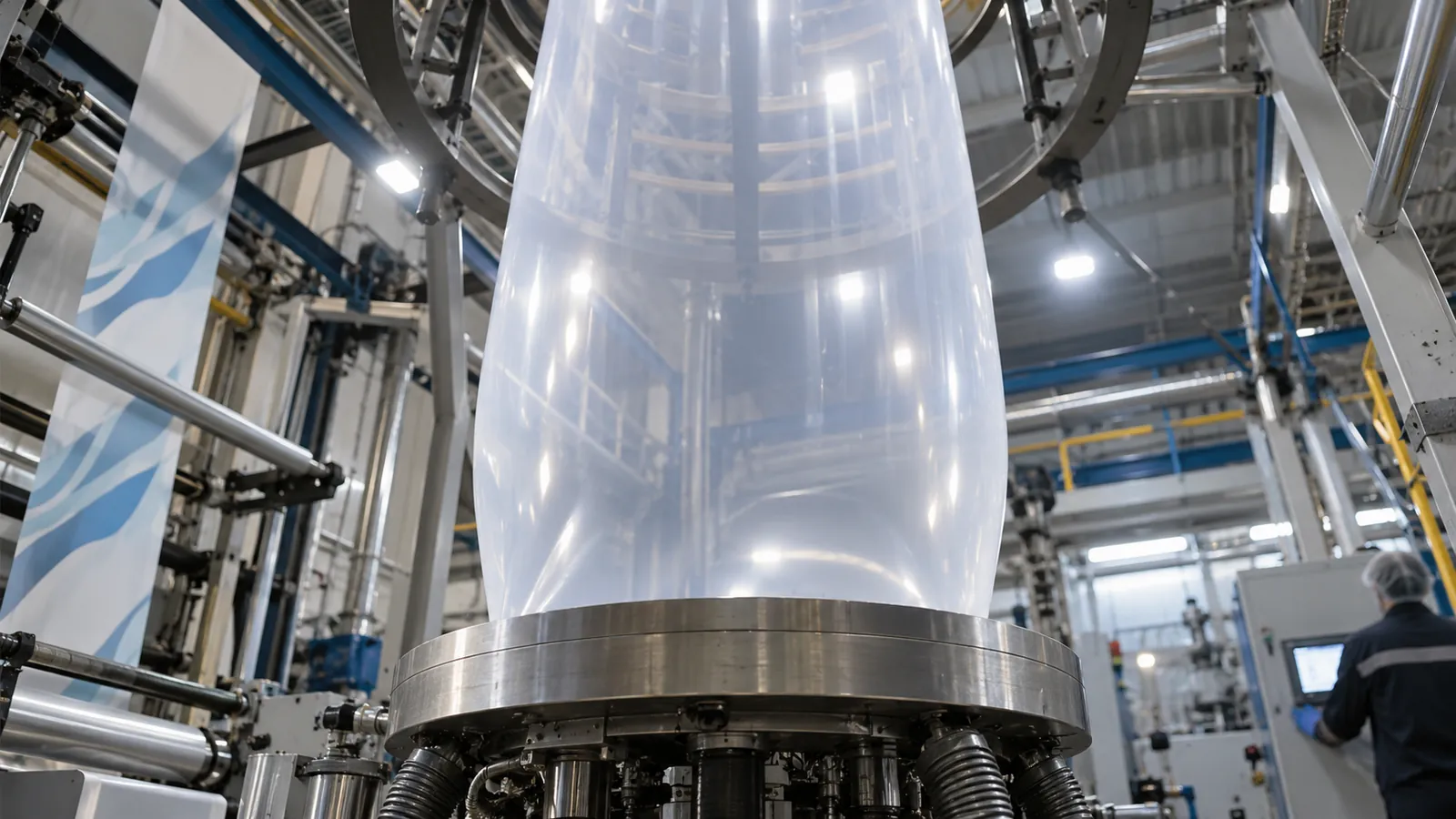
LDPE Packaging Film: Properties, Processing and Uses
LDPE packaging film explained: branching, processing roles, blend trials and the matched optics, mechanical and seal evidence needed to compare candidates.
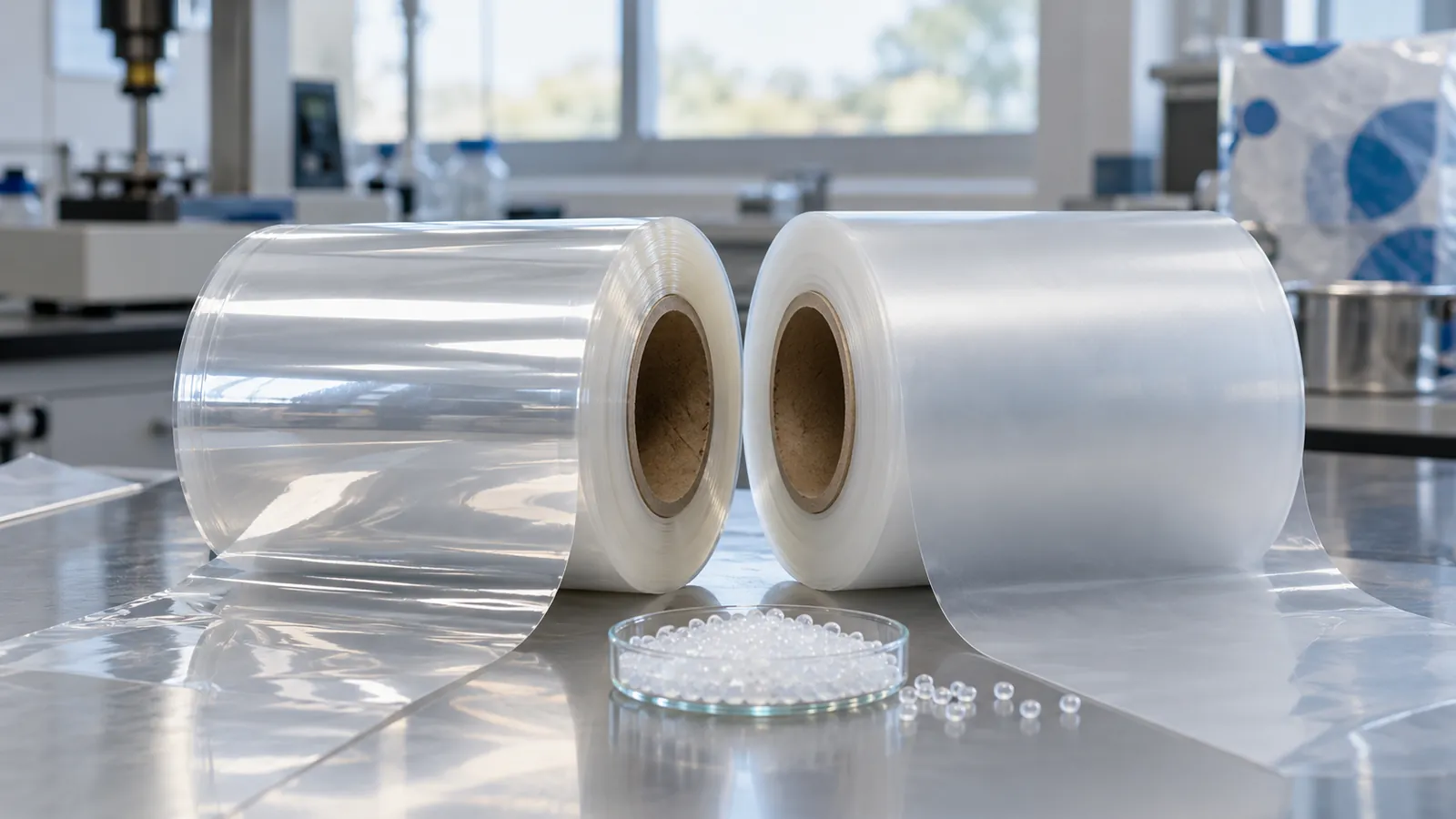
LDPE vs LLDPE Packaging Film: Differences and Blends
LDPE vs LLDPE packaging film compared on structure, toughness, clarity, sealing, processing, recycling and cost, plus how LDPE and LLDPE blends are used.
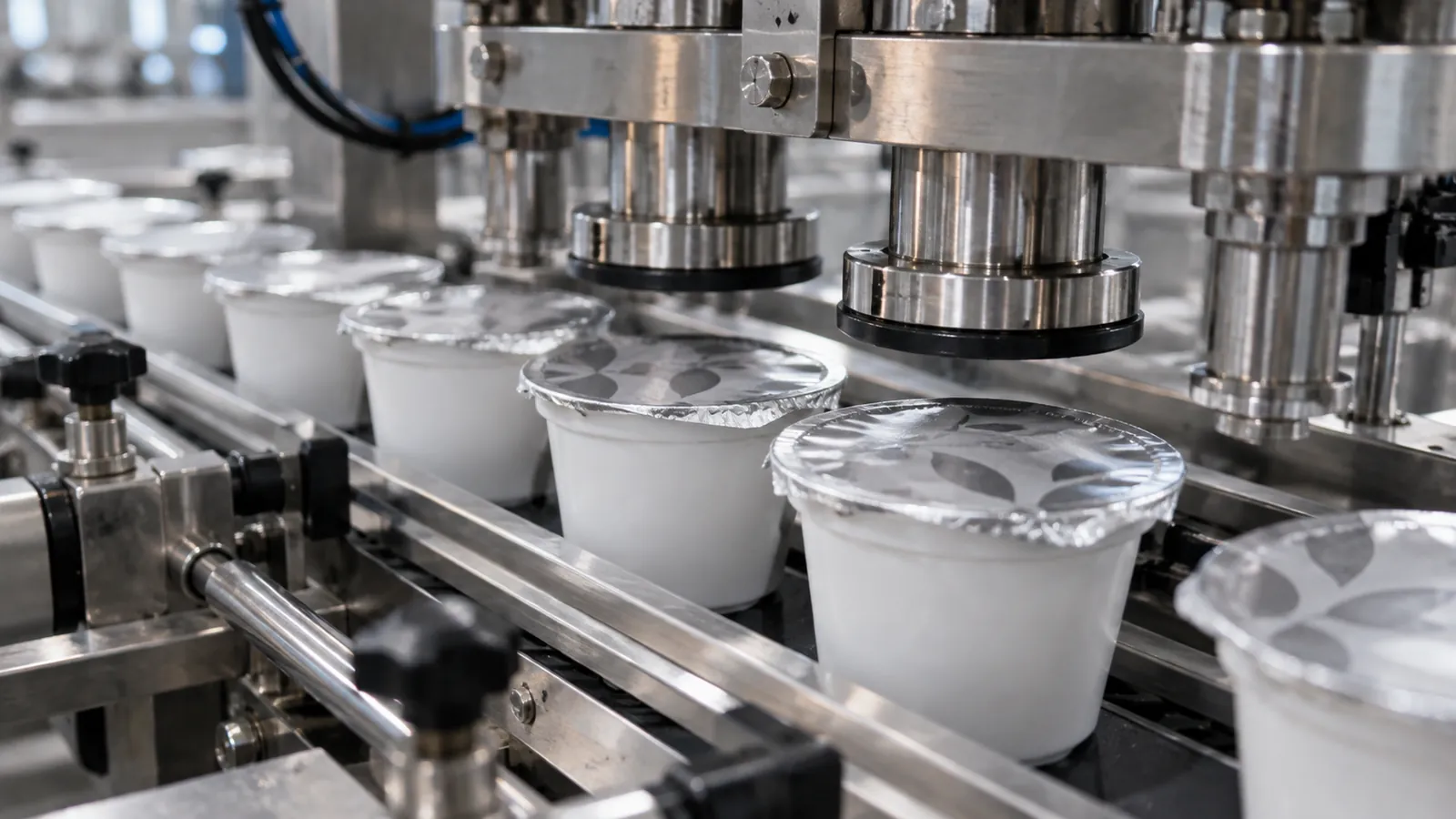
Lidding Foil: Heat-Seal Lids for Cups, Trays and Containers
Lidding foil is aluminum-based film heat-sealed onto cups, trays and tubs. Learn lacquers, peel vs weld seals, die-cut vs reel-fed lids and specs.
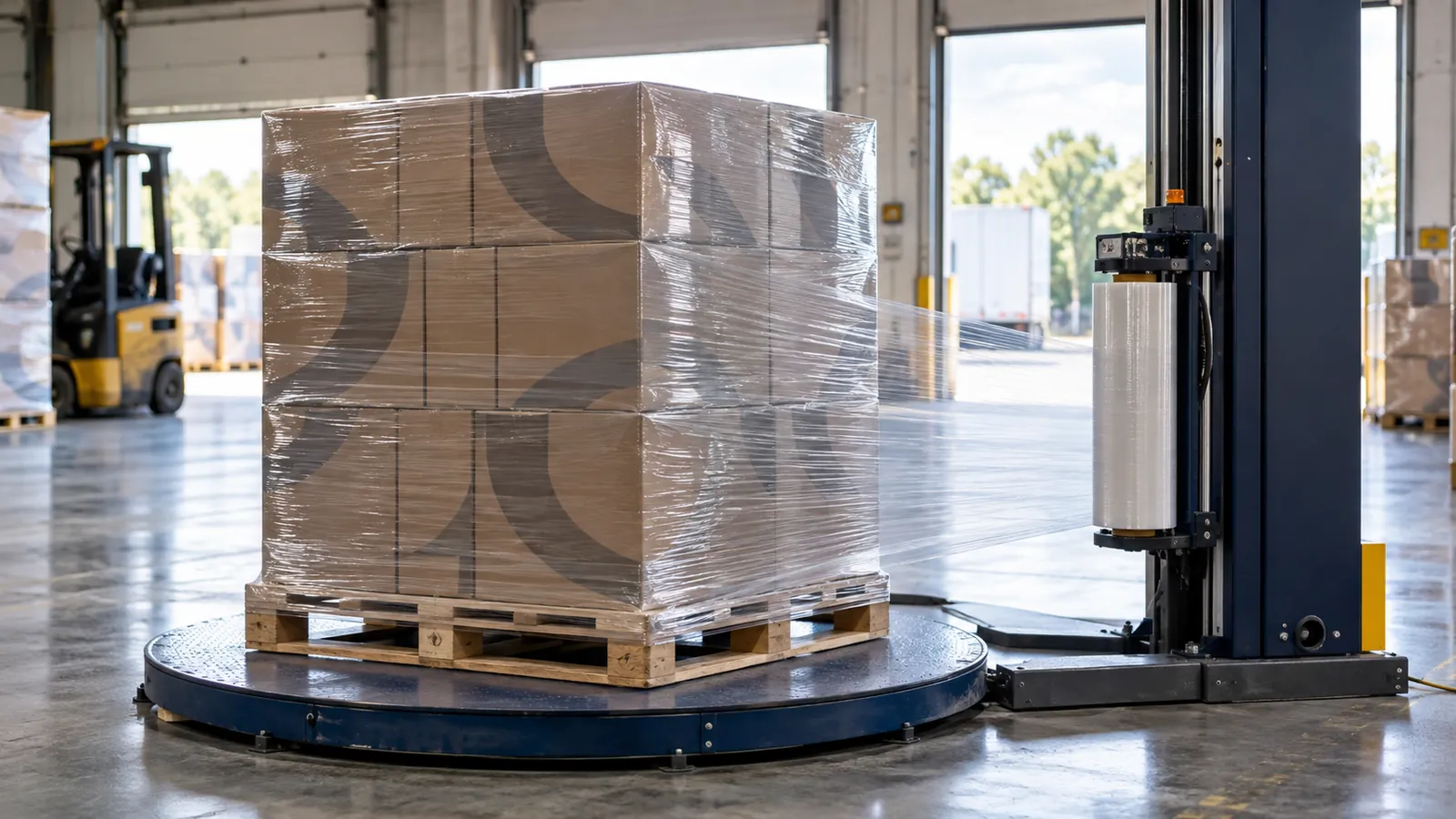
LLDPE Packaging Film: Toughness, Sealing and Uses
LLDPE packaging film explained: grade choice, comonomers, hot tack, contaminated-seal testing and the evidence needed for sealants, stretch film and sacks.
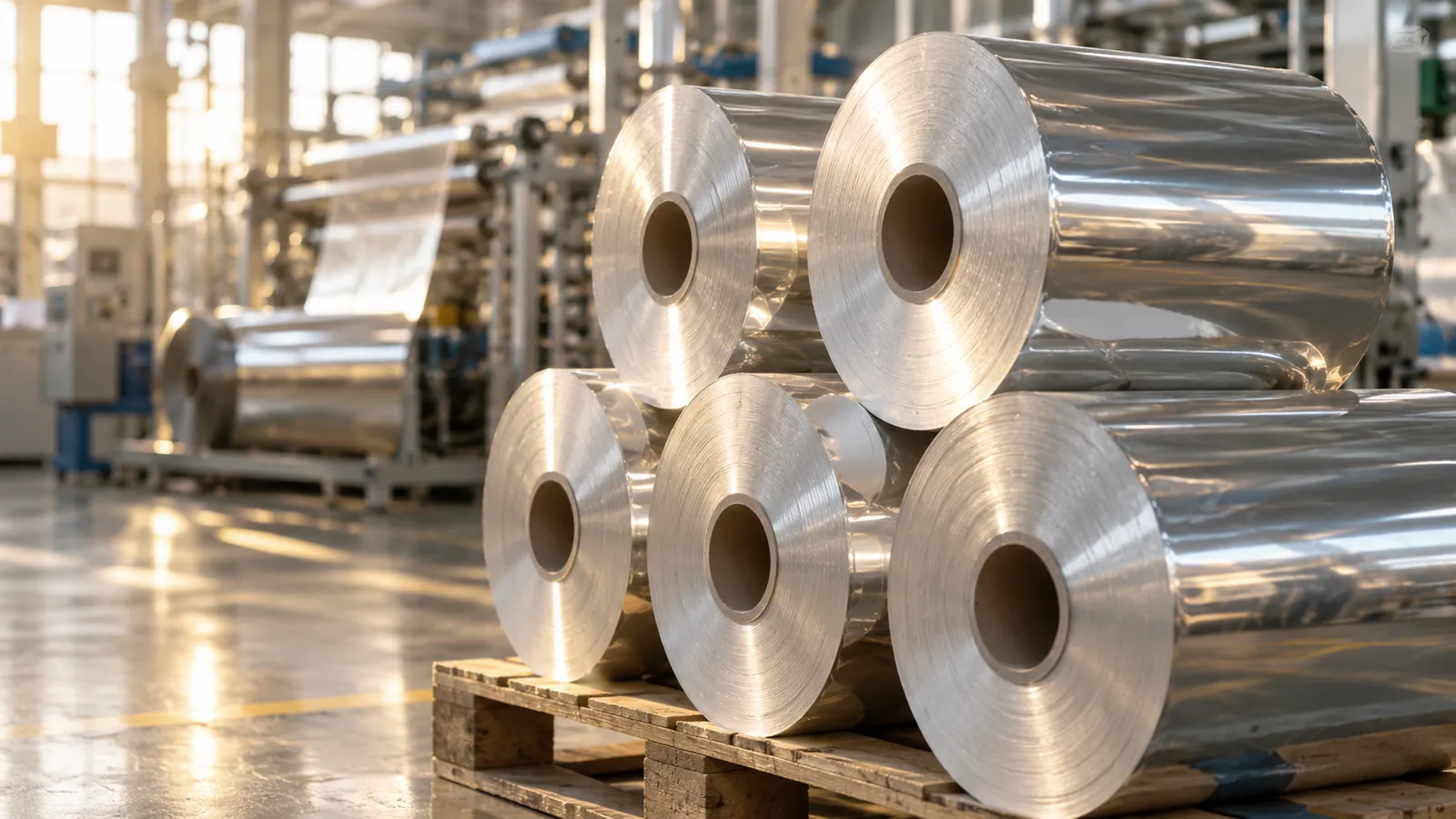
Metallized Film: Metallized PET, BOPP and CPP for Packaging
Metallized film has a thin vacuum-deposited aluminum layer that improves barrier and adds a foil-like look. See process, optical density, uses and limits.
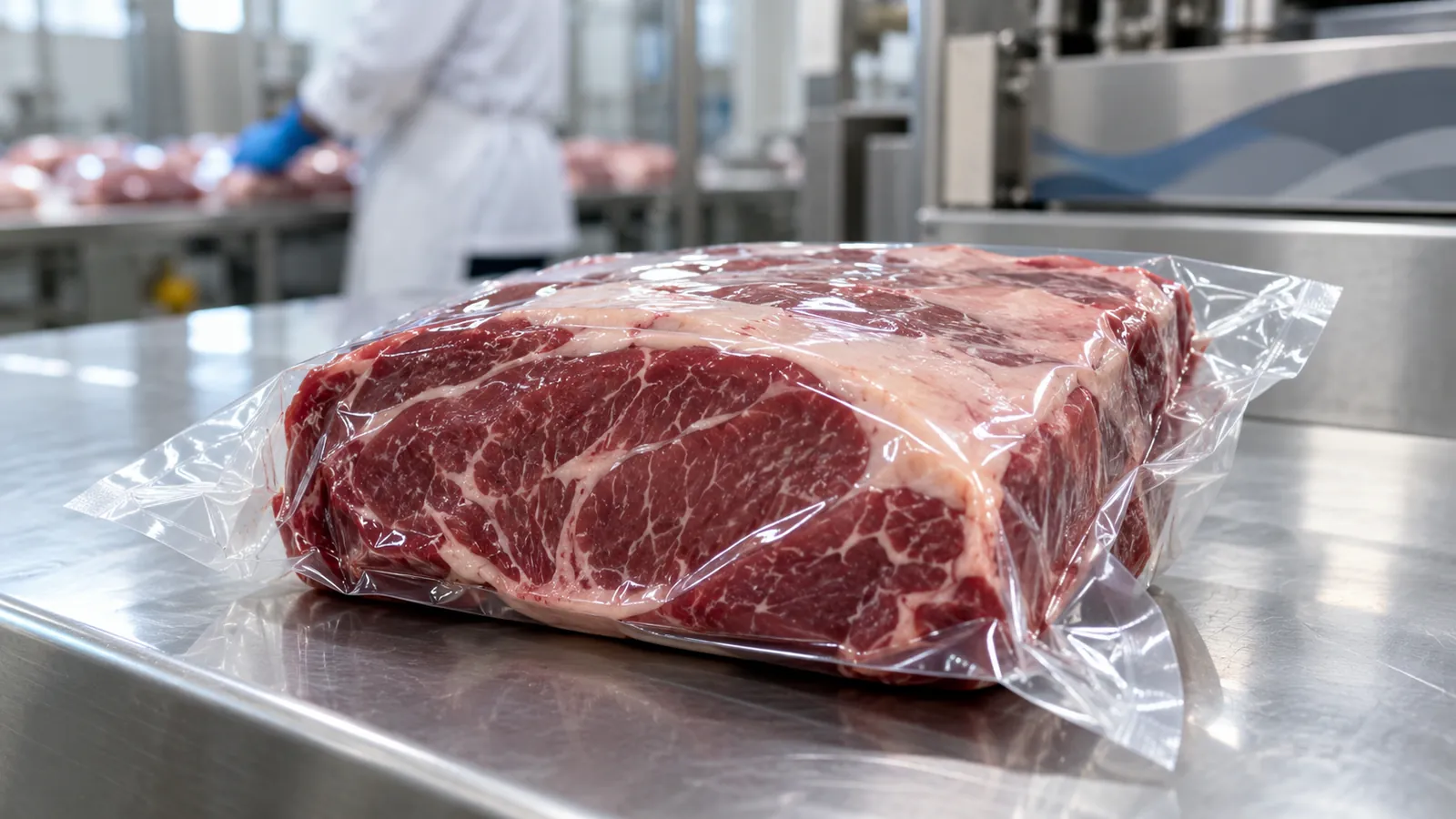
Nylon Packaging Film: BOPA and Cast PA Explained
Nylon packaging film gives puncture and flex-crack resistance with moderate oxygen barrier. See BOPA vs cast PA, humidity effects, uses and structures.
OPS Shrink Film: Oriented Polystyrene Shrink Sleeves
OPS shrink film is oriented polystyrene used mainly for shrink sleeve labels. See its properties, trade-offs vs PETG and PVC, recycling and storage.
Packaging Film Types: A Practical Guide to Common Polymer Films
Packaging film types differ by polymer: PE, CPP, BOPP, BOPET, nylon, EVOH, PVC, PETG, POF and metallized film. See what each does and where it fits.
PET Packaging Film: BOPET Properties, Grades and Applications
PET packaging film explained: BOPET properties, treated, coated and metallized grades, why it is the printable outer web in laminates, and PET vs BOPP.
PET vs BOPP Film: Which Outer Web Fits Your Pack?
PET vs BOPP film compared on barrier, heat resistance, stiffness, print, sealing, recyclability and cost, with guidance on which outer web fits your pack.
PETG Shrink Film: Shrink Sleeves, Properties and Uses
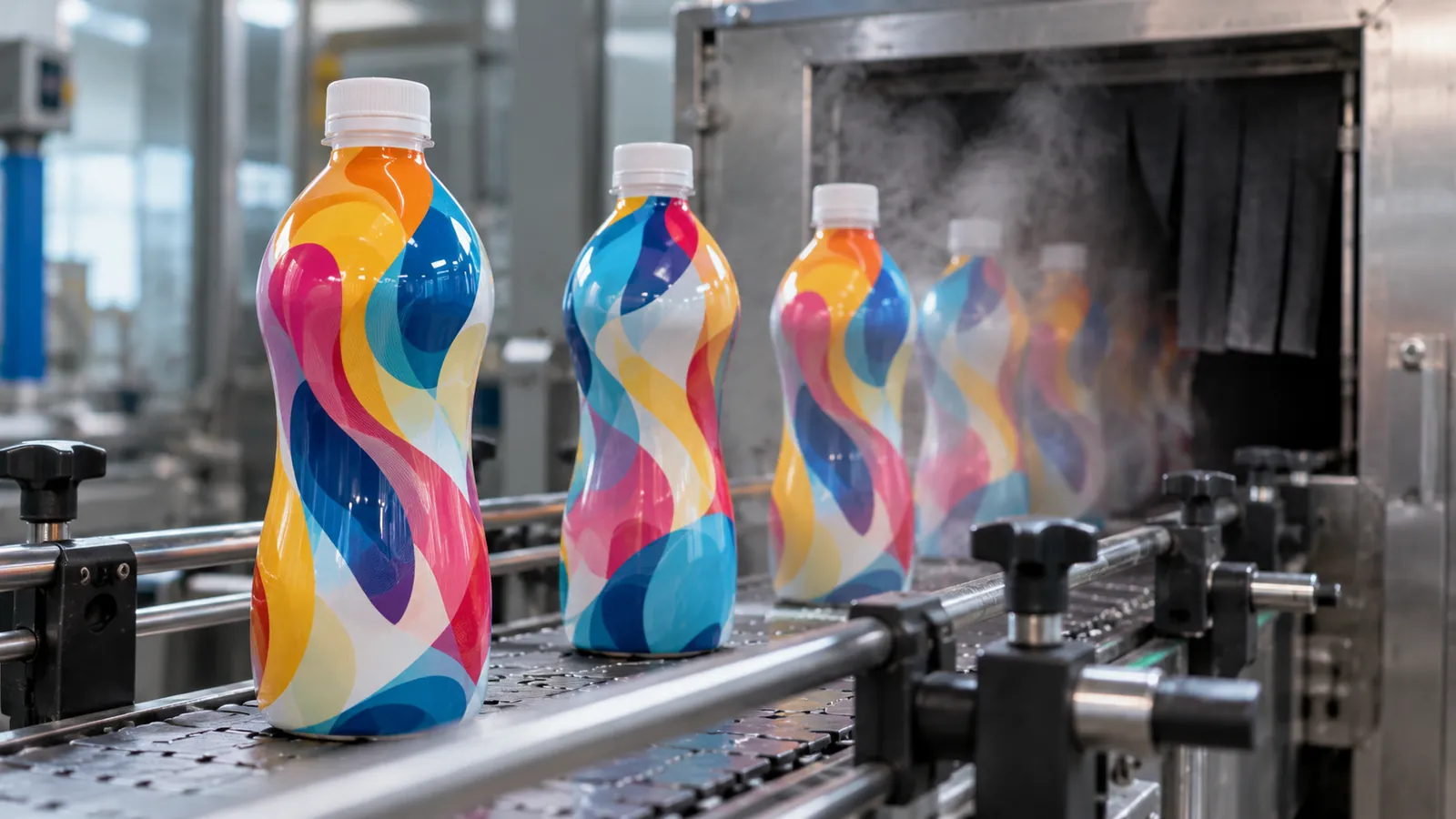
PETG shrink film is a high-shrink, transverse-oriented film used for sleeve labels on bottles and contoured containers. See properties, uses and recycling.
PETG vs OPS Shrink Film: Choosing a Shrink Sleeve Material
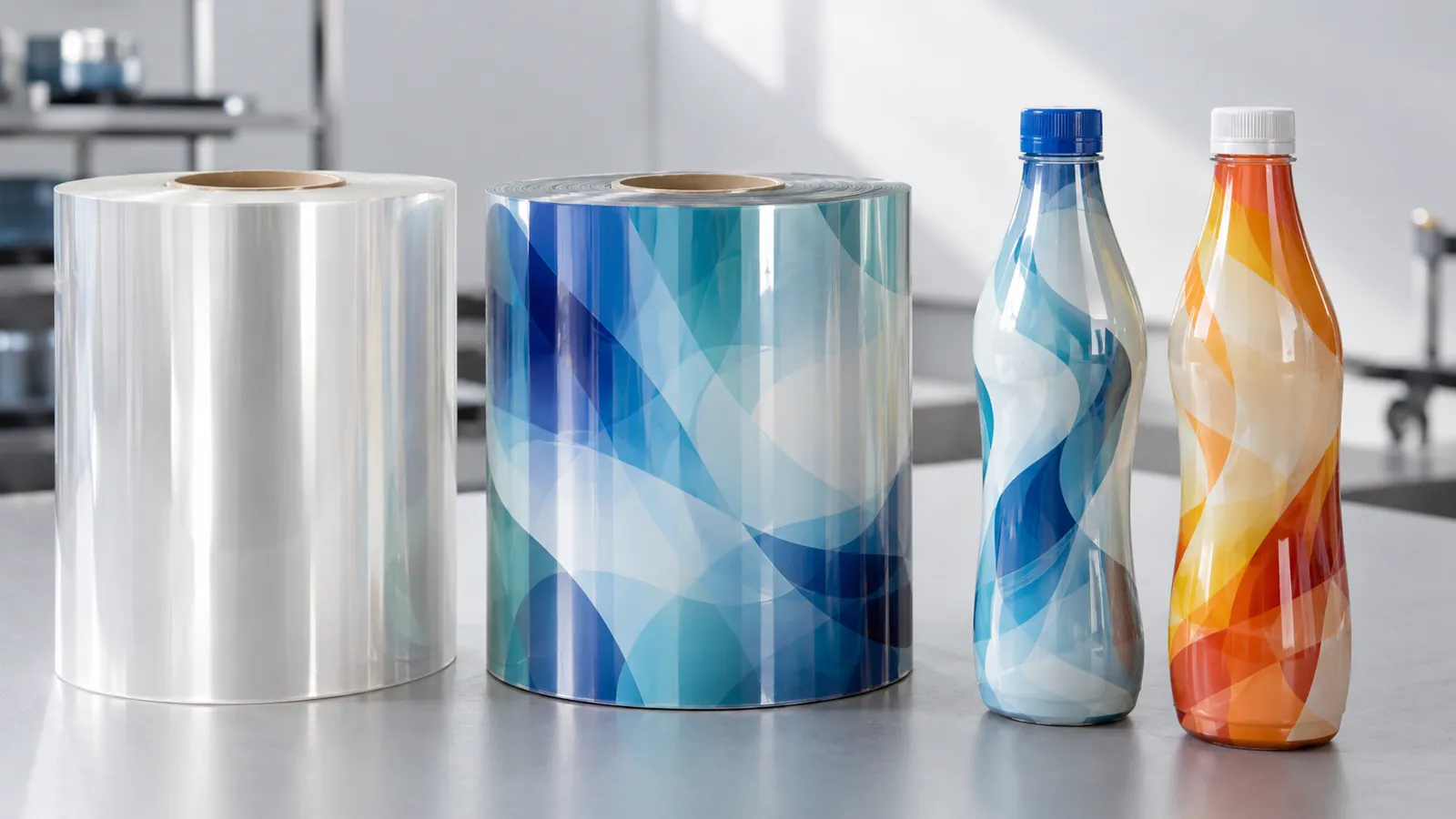
PETG vs OPS shrink film compared on shrink, toughness, stiffness, print, recycling and storage, with advice on choosing a shrink sleeve material.
POF Shrink Film: Polyolefin Shrink Wrap Explained
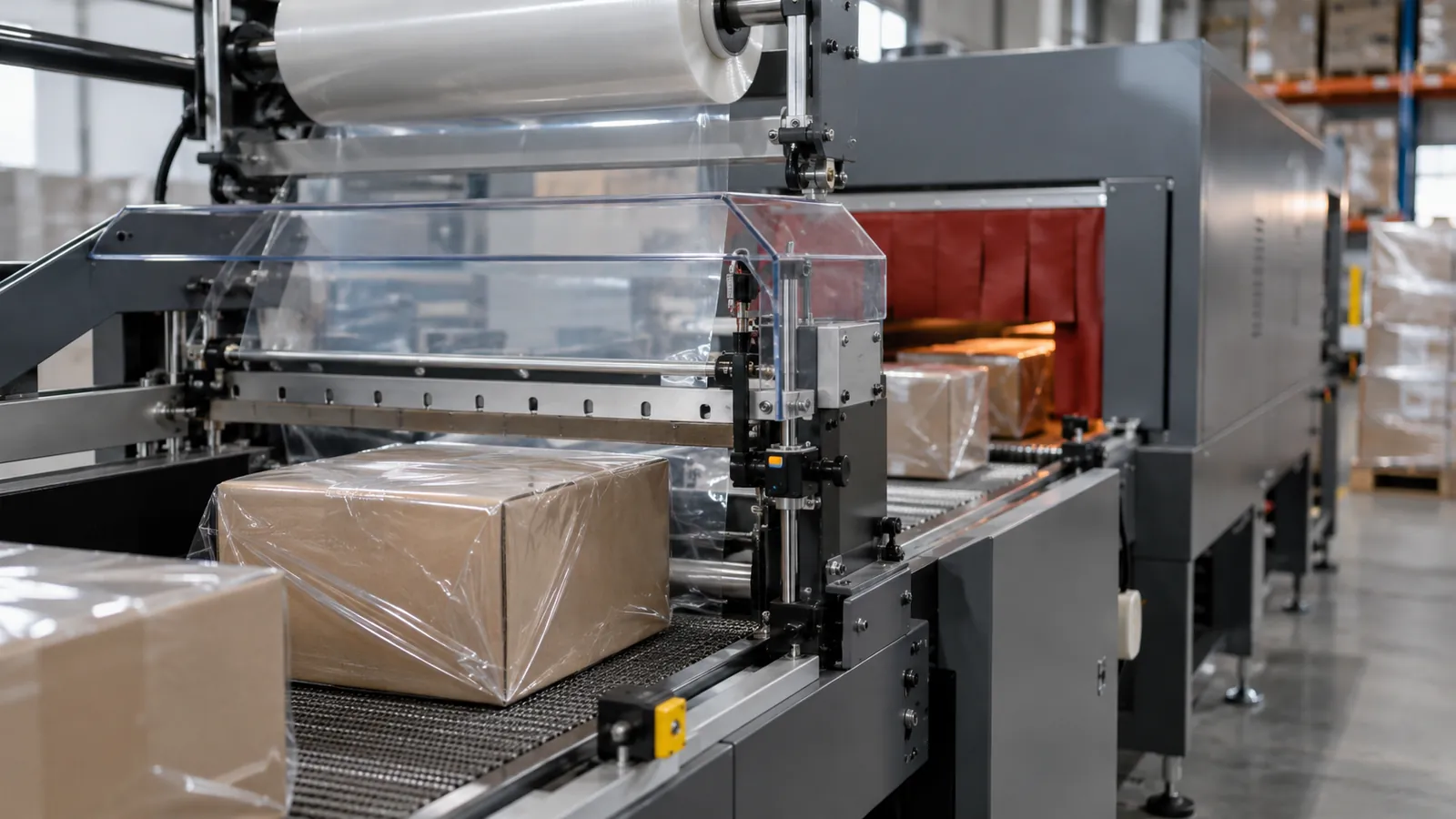
Polyolefin shrink film (POF) is a coextruded, biaxially oriented chlorine-free wrap. Learn cross-linked vs non-cross-linked grades, machines and POF vs PVC.
Polyethylene (PE) Packaging Film: LDPE, LLDPE, HDPE and mLLDPE
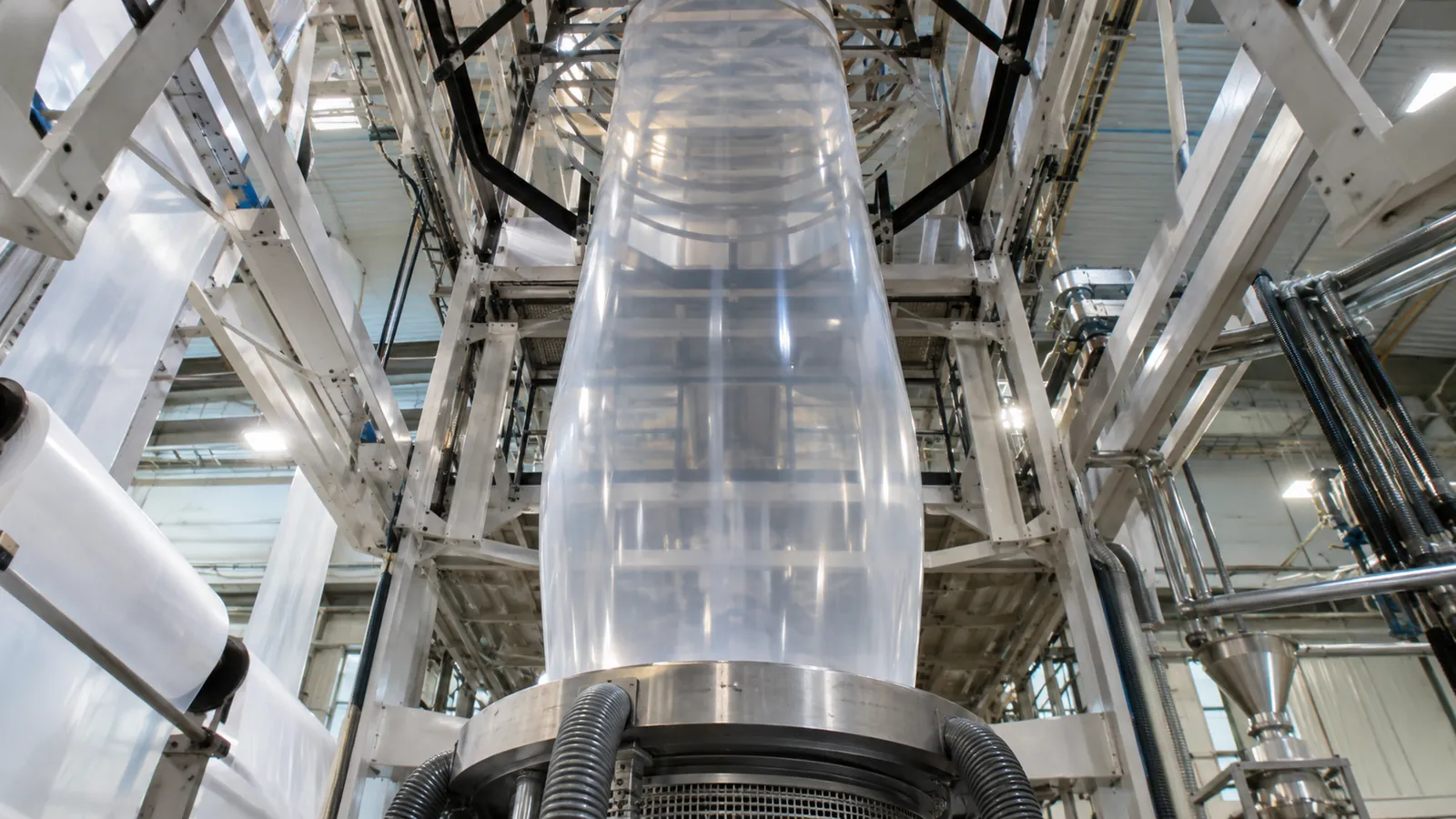
Polyethylene packaging film explained: how LDPE, LLDPE, mLLDPE and HDPE differ, sealing and COF checks, and how to specify a grade.
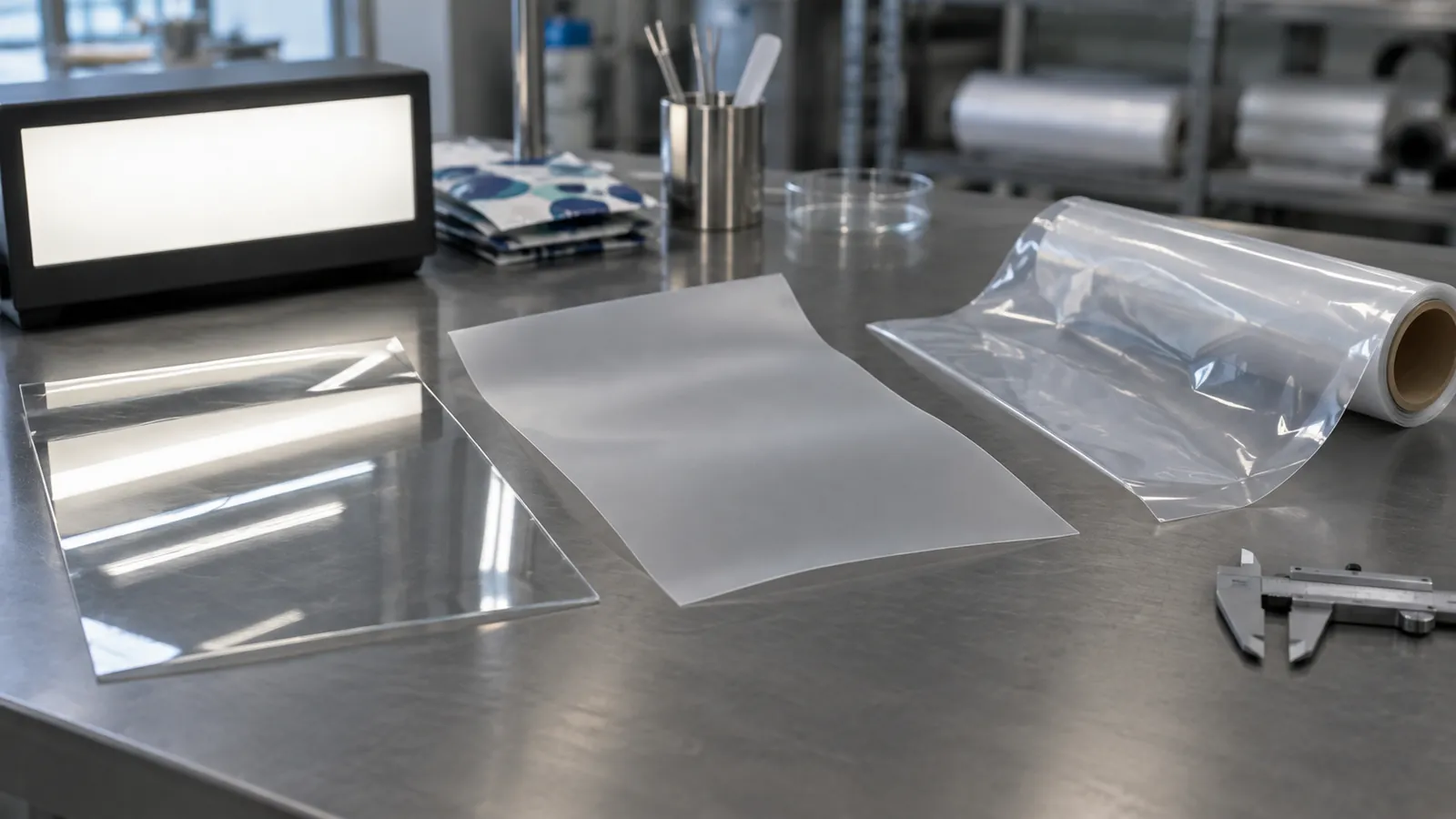
Polypropylene Packaging Film: BOPP, CPP and Blown PP Compared
Polypropylene packaging film explained: PP resin types, and how BOPP, CPP and blown PP films differ in properties, sealing and place in a structure.
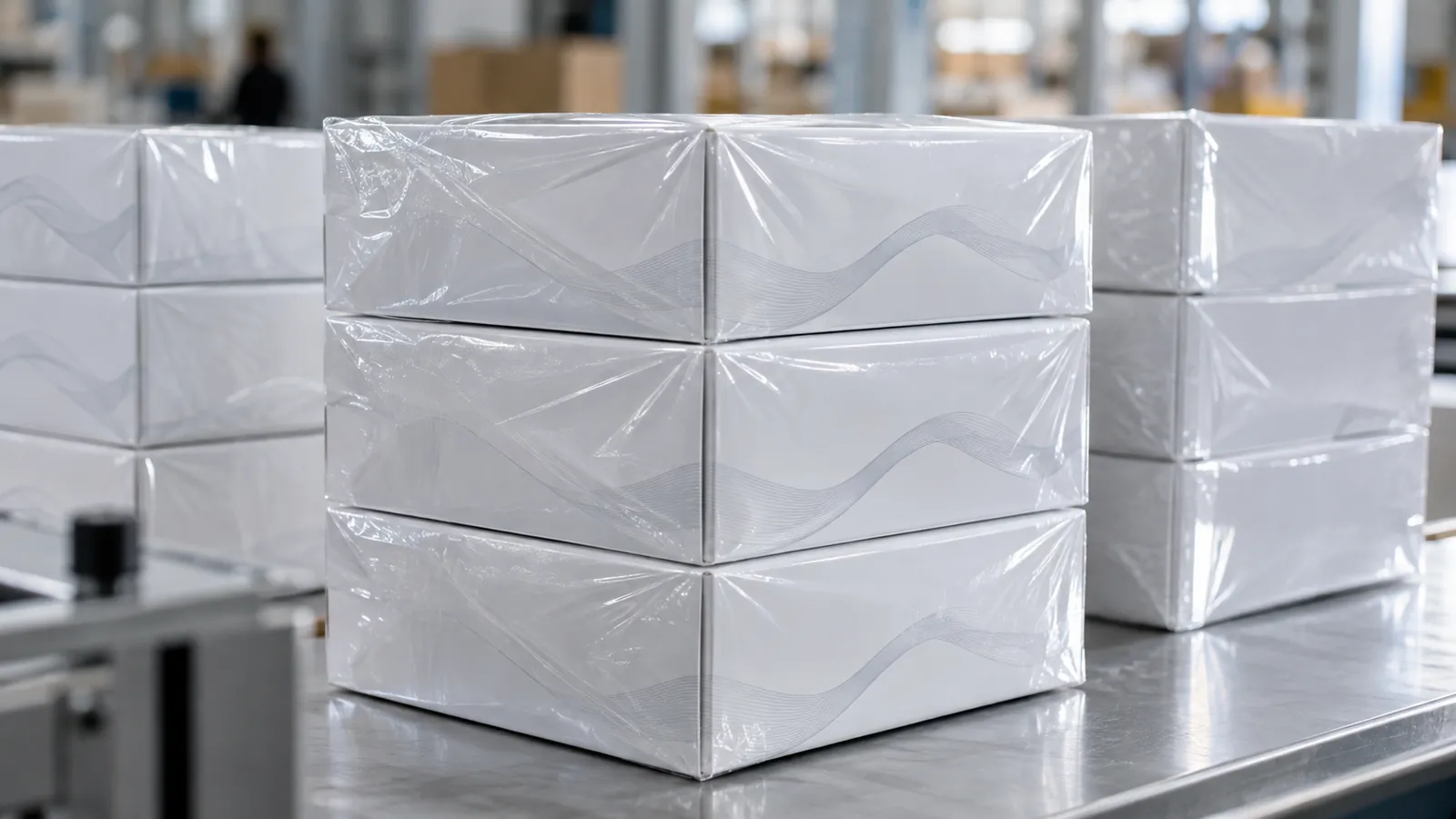
PVC Shrink Film: Properties, Applications and Limitations
PVC shrink film for sleeves and overwraps: assess heated-process controls, grade-specific seals, cold handling and replacement trials against POF or PETG.
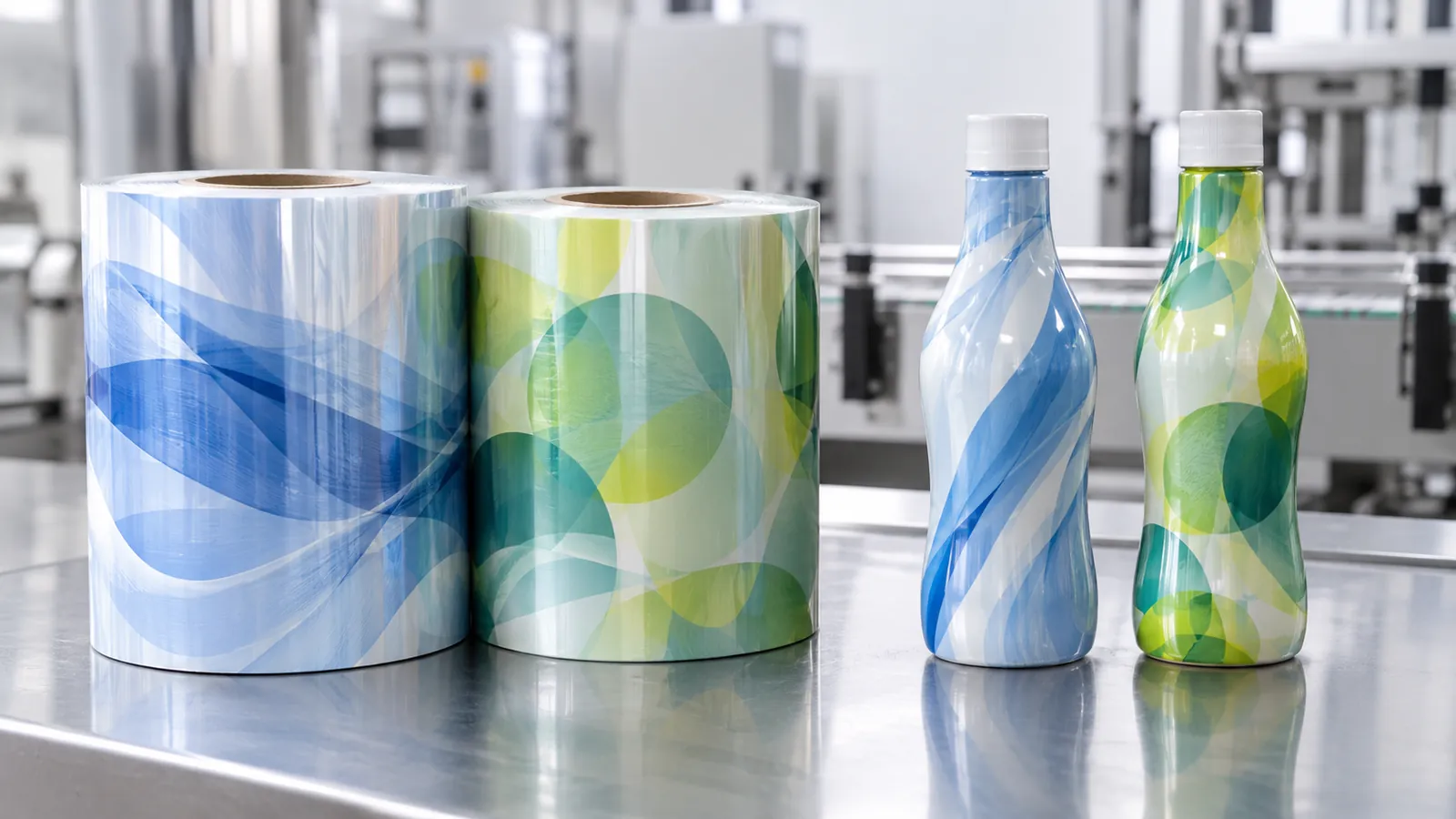
PVC vs PETG Shrink Film: Clarity, Shrink and Recycling Compared
PVC vs PETG shrink film compared on clarity, shrink behavior, sealing, cold handling, recycling and cost, with guidance on which sleeve film to choose.
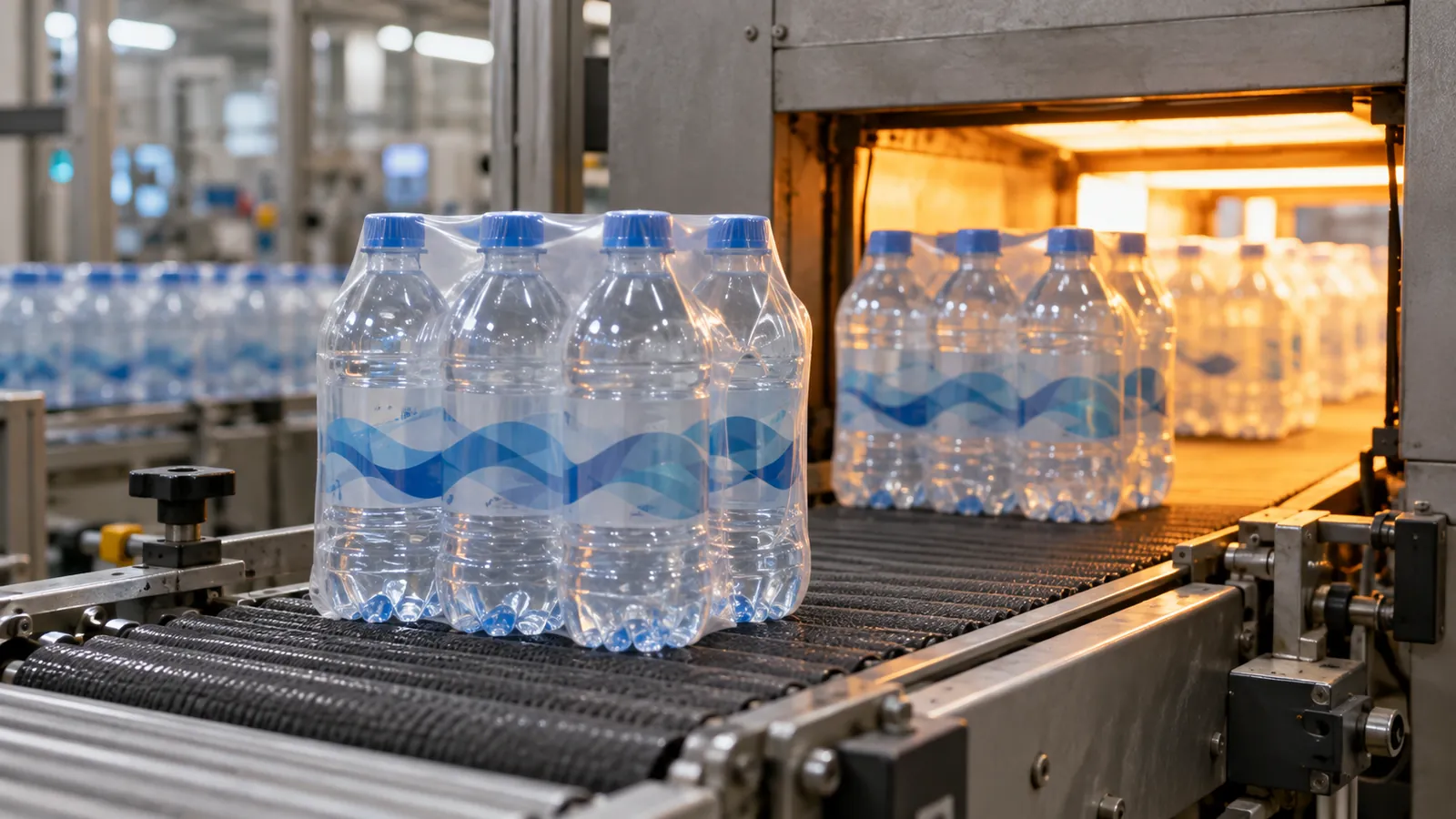
Shrink Film: Types, Properties and How to Choose
Shrink film is an oriented plastic film that tightens around a product when heated. Compare PVC, PETG, POF and PE types and learn how to choose.
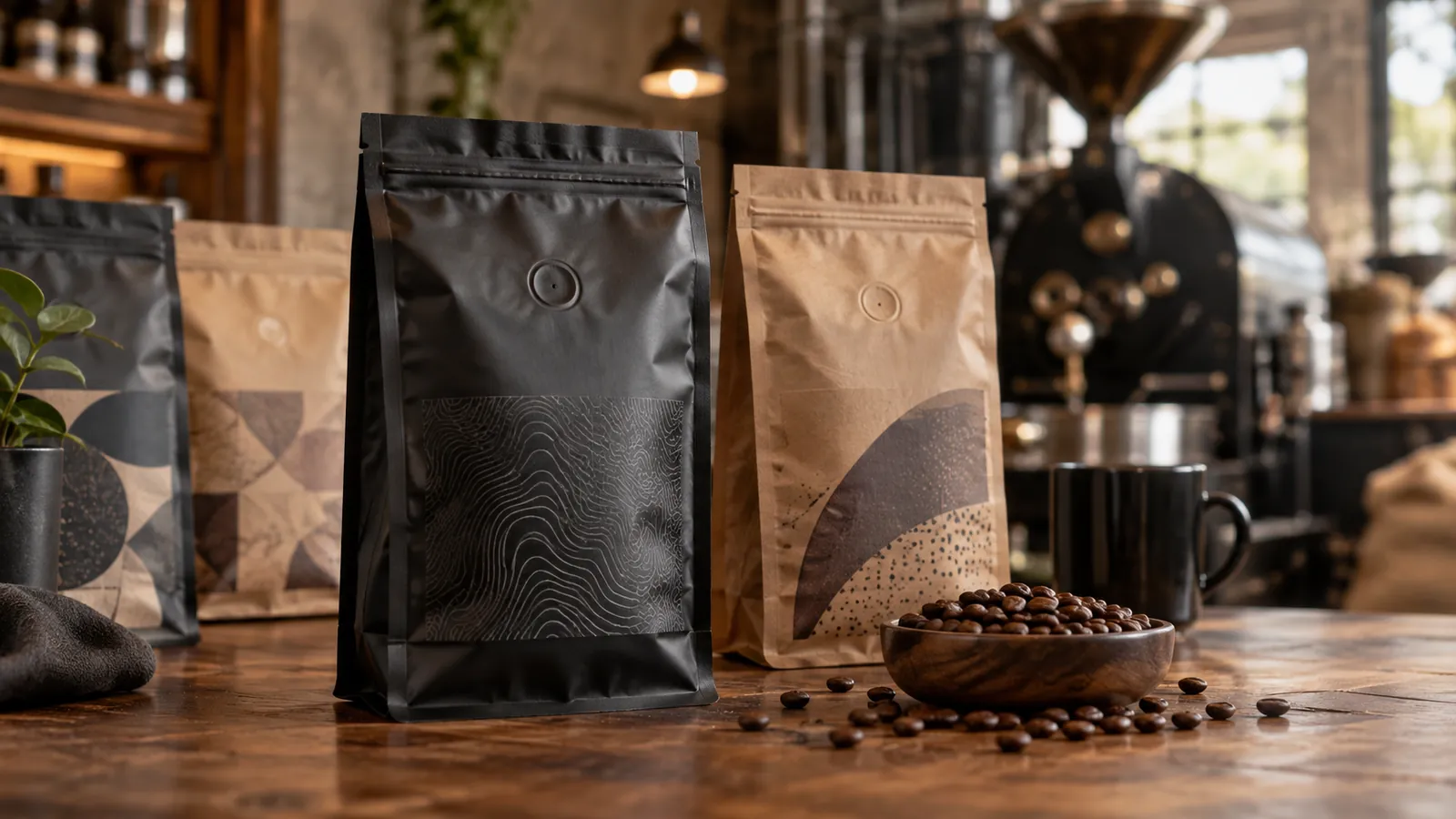
SunDance coffee valve pouches: what the material evidence shows
Read the SunDance coffee valve pouch announcement through film structure, valve, seal and recycling evidence before approving a packaging change.