
Packaging EPR: How Extended Producer Responsibility Works
Packaging EPR makes producers pay for the collection and recycling of their packaging; here is how schemes, fees and reporting work in the EU and US.
Treating a future program launch as the first action date can miss registration and reporting duties. For packaging EPR, identify the obligated entity, check each destination jurisdiction, then record the action and deadline currently applicable there.
Role, jurisdiction and current action
Scroll horizontally to view all columns if needed. ↔
| Decision | Working evidence | Next step |
|---|---|---|
| Who is the producer? | Brand, manufacture, import and distribution arrangements | Apply each market’s legal definition |
| Where is packaging supplied? | SKU sales/shipments by country or state | Open one jurisdiction record |
| What is due now? | Agency guidance, PRO notices and dated fee schedule | Confirm registration, reporting and payment separately |
Takeaway: Identify the responsible entity before assembling the state report.
How packaging EPR works
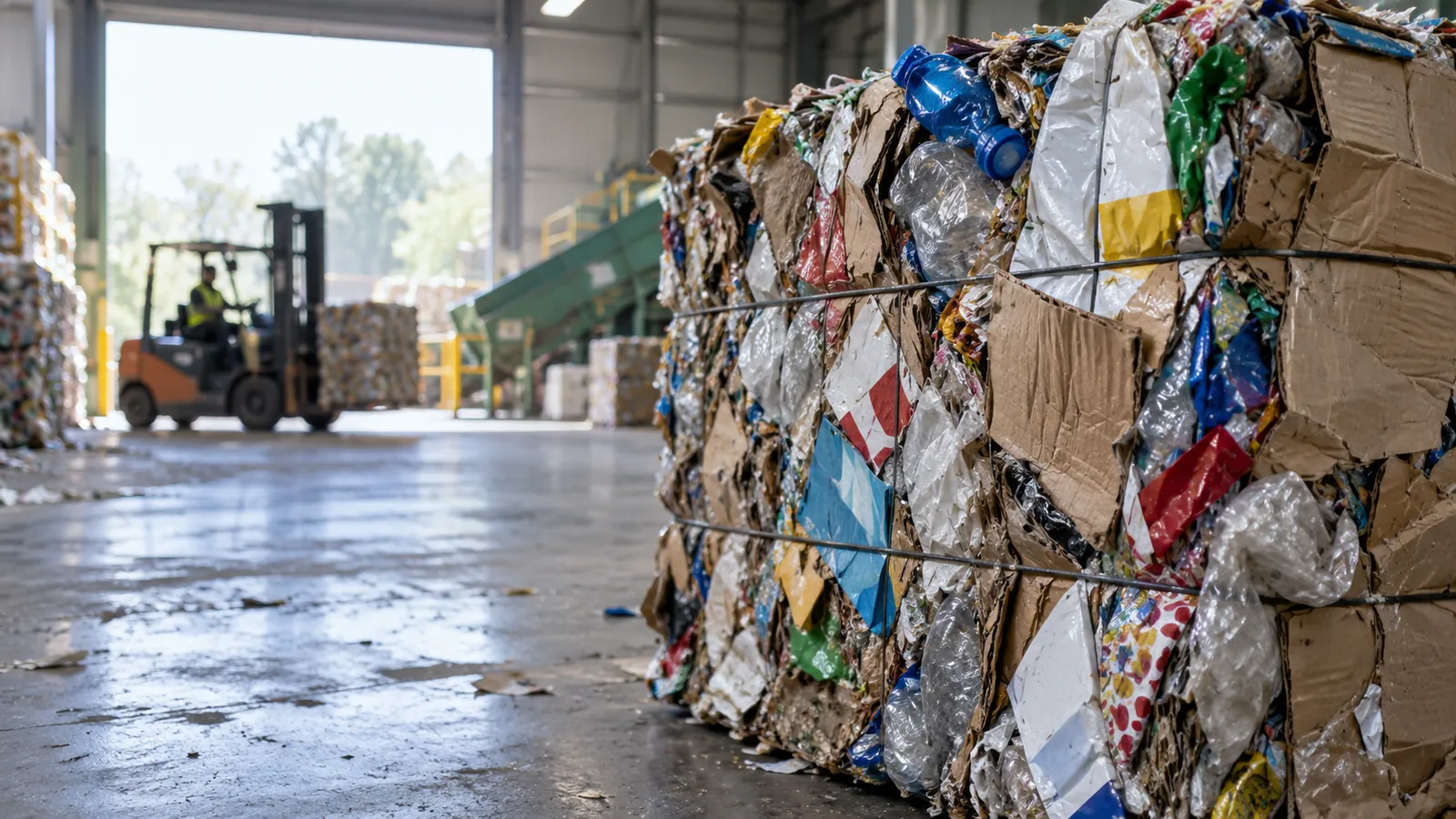
Before EPR, municipalities and taxpayers usually paid to collect and process household packaging. EPR shifts that cost, fully or partly, to the producers. The design choices vary, but most schemes share these parts:
- Producer definition. The obligated party is normally the brand owner, importer or first seller in the market, not the film or packaging converter. A converter supplying only business customers is usually indirectly affected through data and design requests.
- A PRO or similar body. A PRO collects fees, funds collection and recycling, and reports to the regulator. Some systems allow several PROs; others, such as California under SB 54, are built around one. See the California SB 54 page.
- Reporting. Producers declare the weight of packaging by material and format they put on the market. The PRO or regulator uses this to set fees and to measure performance.
- Fees. Fees usually scale with weight and material type. Many schemes add adjustments for recyclability, recycled content or design.
- Targets and oversight. Governments set recycling or collection targets and verify results, usually through audits and annual reports.
Household (consumer) packaging is the main scope in most US laws. EU rules reach a wider range of packaging, including some commercial and industrial packaging, though details depend on the Member State.
Eco-modulated EPR fees
Eco-modulation means the fee per kilogram varies according to environmental performance. A scheme may adjust fees for easier or harder recycling; the applicable schedule determines whether and how it does so. Other factors can include recycled content, labeling that helps consumers, reuse, and the presence of hazardous substances.
For flexible packaging this cuts both ways. Weight is one input when a schedule uses weight-based fees. But a multi-material laminate with no recycling stream can sit in a high-fee category. Each scheme defines its own categories and rates, so you cannot assume that one scheme’s fee logic applies in another. Suppliers can help you compare structures, but only the scheme’s published fee schedule gives the real number.
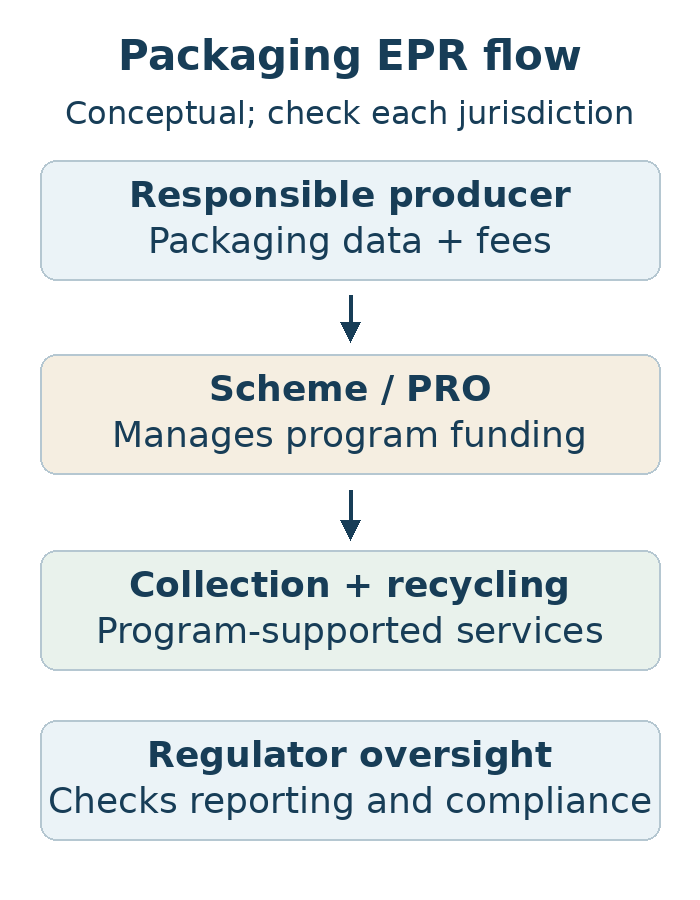
Takeaway: Use the program’s dated fee and reporting rules for the actual category.
Where EPR for packaging exists
European Union
EPR for packaging in the EU was long a national matter under the Packaging and Packaging Waste Directive (94/62/EC), as amended in 2018. Member States built different systems, from single national PROs to competing schemes.
The new Packaging and Packaging Waste Regulation, Regulation (EU) 2025/40, entered into force on February 11, 2025 and applies generally from August 12, 2026. It sets EU-level rules for producer registration, EPR, and PROs (the register, EPR and PRO provisions sit in Articles 44 to 46), and it ties fee modulation to recyclability performance grades once the supporting secondary rules are adopted. Some of those details were still waiting on Commission implementing and delegated acts at the time of writing, so expect national systems and the PPWR to be aligned in stages. See the PPWR overview and PPWR recyclability requirements.
United States
There is no federal packaging EPR law. State laws have been enacted in seven states: Maine, Oregon, Colorado, California, Minnesota, Maryland and Washington. Status differs widely, and several programs are still in setup.
Scroll horizontally to view all columns if needed. ↔
| Jurisdiction | Status and current action | Direct basis / review cutoff |
|---|---|---|
| Maine | DEP announced a revised/reissued stewardship-organization RFP on 11 September 2026 after no proposals were submitted for the previous round. Subsequent contracting and producer steps depend on procurement and implementation. | DEP program and dated announcement, 8 Oct 2026 |
| Oregon | Program started 1 July 2025; covered producers need PRO registration, reporting and fees. | DEQ producer guidance, 8 Oct 2026 |
| Colorado | Check the approved plan and current producer requirements before supplying covered packaging. | CDPHE program, 8 Oct 2026 |
| California | May 2026 regulations already triggered registration/application and supply-data steps. The 2027 participation rule is a later duty, not permission to wait. | CalRecycle and 14 CCR 18980.5, 8 Oct 2026 |
| Minnesota | PRO membership and phased setup; confirm applicable obligations now instead of waiting for full cost reimbursement. | MPCA program and timeline, 8 Oct 2026 |
| Maryland | Packaging law enacted; MDE lists final rule action in May 2026, registration information and compliance FAQs. | MDE producer responsibility, 8 Oct 2026 |
| Washington | Startup assessments and rulemaking; producer PRO membership restricts sales after March 2029, services expand in 2030. | Ecology timeline, 8 Oct 2026 |
Use enacted deadlines and the applicable notices; later implementation milestones do not cancel earlier duties. This table is an orientation map, not a complete compliance calendar.
Takeaway: Check the current action for every destination; do not wait for a later launch date.
What EPR means for flexible packaging
Flexible packaging needs both mass data and the scheme-specific category. Do not estimate per-pack fees without the dated schedule and reporting basis:
- Recyclability grading. Laminates of unlike polymers, foil layers, and some barrier coatings tend to fall into weaker categories. Assess the whole pack rather than relying on a mono-material name; see recyclable flexible packaging and mono-material packaging.
- Data burden. Each market may want weight by material and format. If you only record pack weight, you will need layer-level data from suppliers. Structure basics are covered under laminated packaging.
- Claims and labeling. Recyclability claims must match local rules and local collection reality.
- Shelf life. A recyclable redesign that lets product spoil is not an improvement. Check barrier performance before switching; see barrier film.
Takeaway: Keep component mass and the jurisdiction’s category together.
What flexible packaging producers need to track
Copy one row per SKU/component and jurisdiction; reconcile total component mass with the pack weight.
Scroll horizontally to view all columns if needed. ↔
| SKU / jurisdiction / obligated entity | Component / material / category | g per unit / units supplied / period | Evidence reference / version | Due action / deadline / owner |
|---|---|---|---|---|
| ____ | ____ | ____ / ____ / ____ | ____ | ____ |
Keep registration references, exemption decisions and the published fee schedule/version with this table. Use a scheme’s reporting units and definitions when aggregating it. A fee calculation needs those inputs; no generic rate applies across states.
The supplier documentation guide helps fill composition gaps. Use design for recycling for structure review, then return here to record the relevant market category.
Takeaway: Maintain common source data, with separate jurisdictional obligations.
Questions and answers
How do I know whether my company is a producer?
Apply the definition for each destination market to your actual ownership, manufacture, import and sales arrangement. The Oregon DEQ FAQ directs businesses to its producer-obligations guidance; an Oregon determination does not settle the role in another state.
What is EPR reporting?
It is the jurisdiction-specific packaging data submission by the responsible entity. Keep weights, categories, quantities and periods aligned with that program’s instructions. A report accepted in one state does not establish another state’s role, exemption or reporting obligations; use a separate jurisdiction record.
Scope and exceptions
Producer definitions, covered products, exemptions and fee modulation differ by jurisdiction. This is not legal advice; confirm the applicable law and current agency/PRO instructions for the actual supply chain. Reporting to one program does not establish compliance elsewhere.
Sources
- European Commission, Packaging waste: https://environment.ec.europa.eu/topics/waste-and-recycling/packaging-waste_en
- EUR-Lex, Regulation (EU) 2025/40 (PPWR): https://eur-lex.europa.eu/eli/reg/2025/40/oj/eng
- CalRecycle, SB 54 program page: https://calrecycle.ca.gov/packaging/packaging-epr/
- Oregon DEQ, Producers of covered products: https://www.oregon.gov/deq/recycling/pages/producers-of-covered-products.aspx
- Colorado CDPHE, Producer Responsibility Program: https://cdphe.colorado.gov/hm/producer-responsibility-program
- Maine DEP, Extended Producer Responsibility for Packaging: https://www.maine.gov/dep/waste/recycle/epr.html
- Minnesota Pollution Control Agency, Packaging EPR: https://www.pca.state.mn.us/air-water-land-climate/extended-producer-responsibility-for-packaging
- Maryland Department of the Environment, Producer Responsibility: https://mde.maryland.gov/programs/land/WasteManagement/Pages/ProducerResponsibility.aspx
- Washington Department of Ecology, Recycling Reform Act: https://ecology.wa.gov/waste-toxics/reducing-recycling-waste/our-recycling-programs/recycling-reform-act
Last checked: 8 October 2026. Regulations change; confirm the current text before relying on it.
Continue reading
Related articles
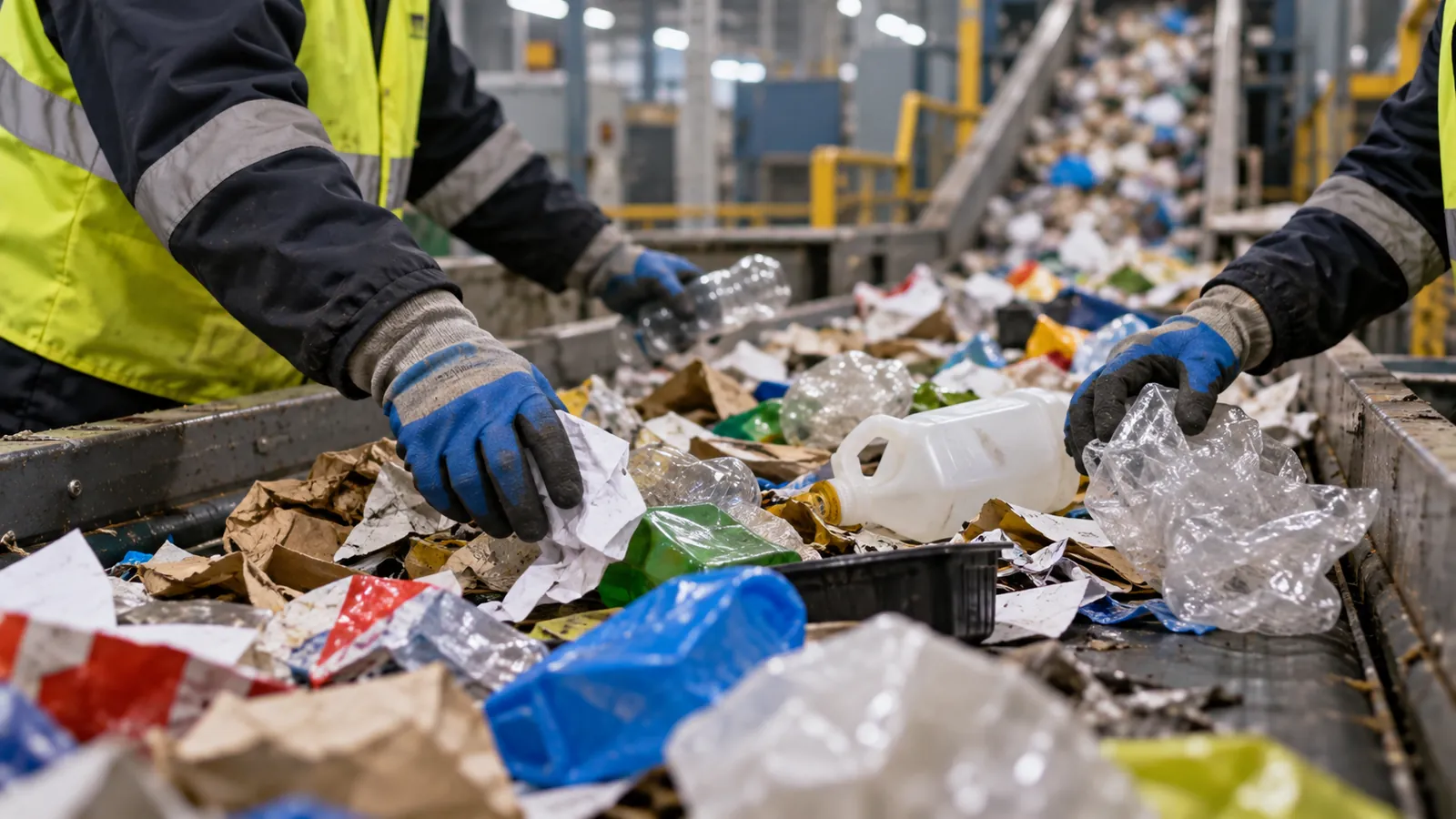
California SB 54: Plastic Packaging Producer Responsibility Explained
California SB 54 makes producers responsible for single-use packaging, with 2032 targets for recyclability, source reduction and recycling rates.
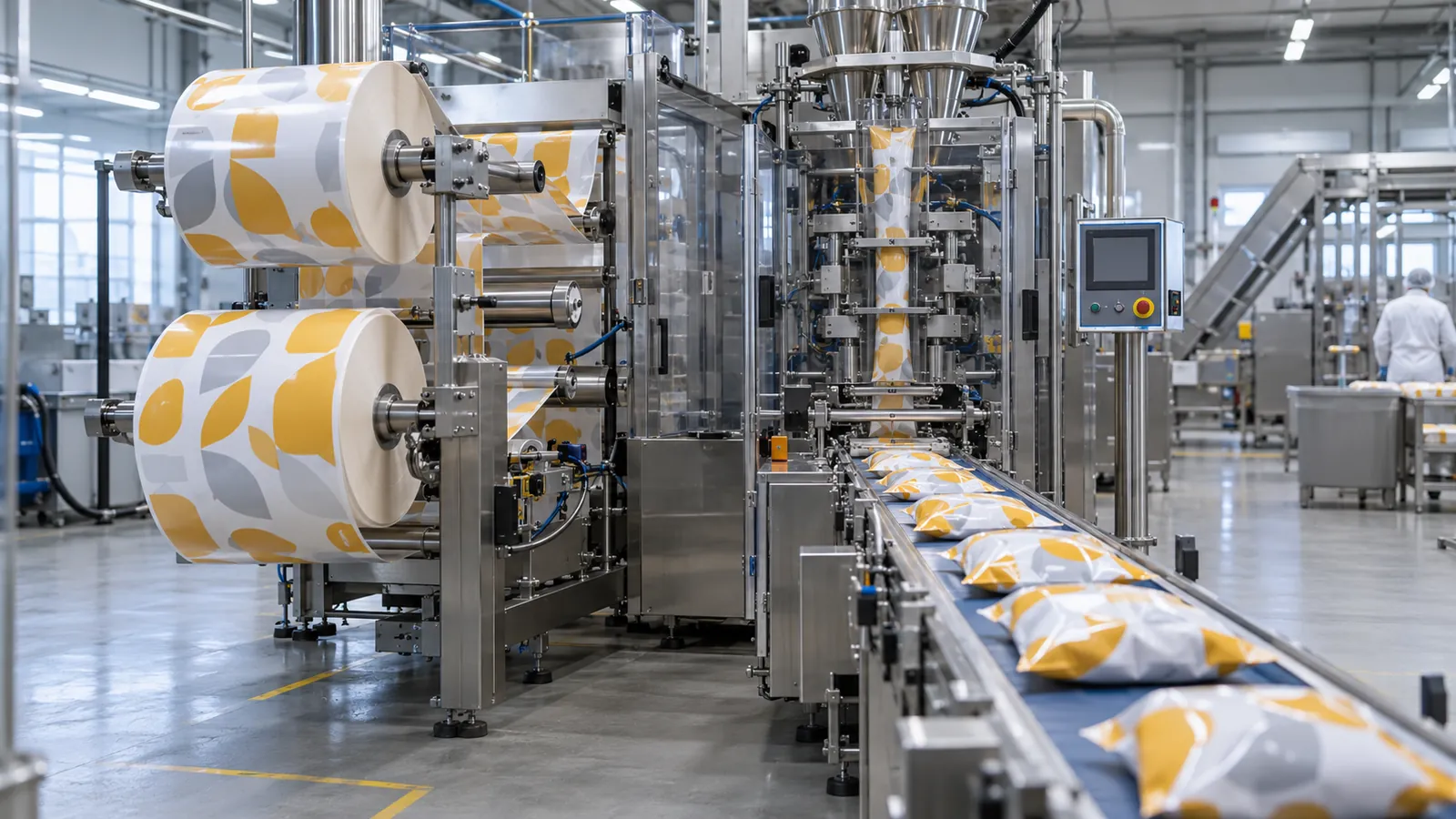
EU Packaging and Packaging Waste Regulation (PPWR): What It Means for Flexible Packaging
The PPWR, Regulation (EU) 2025/40, sets EU rules on recyclability, recycled content, labeling and PFAS. See the timeline and what it means for flexible packaging.
PPWR Recyclability Requirements: Design for Recycling Grades Explained
PPWR recyclability rules require recyclable EU packaging, with performance grades and criteria still to be set. See dates and design steps for flexible packaging.