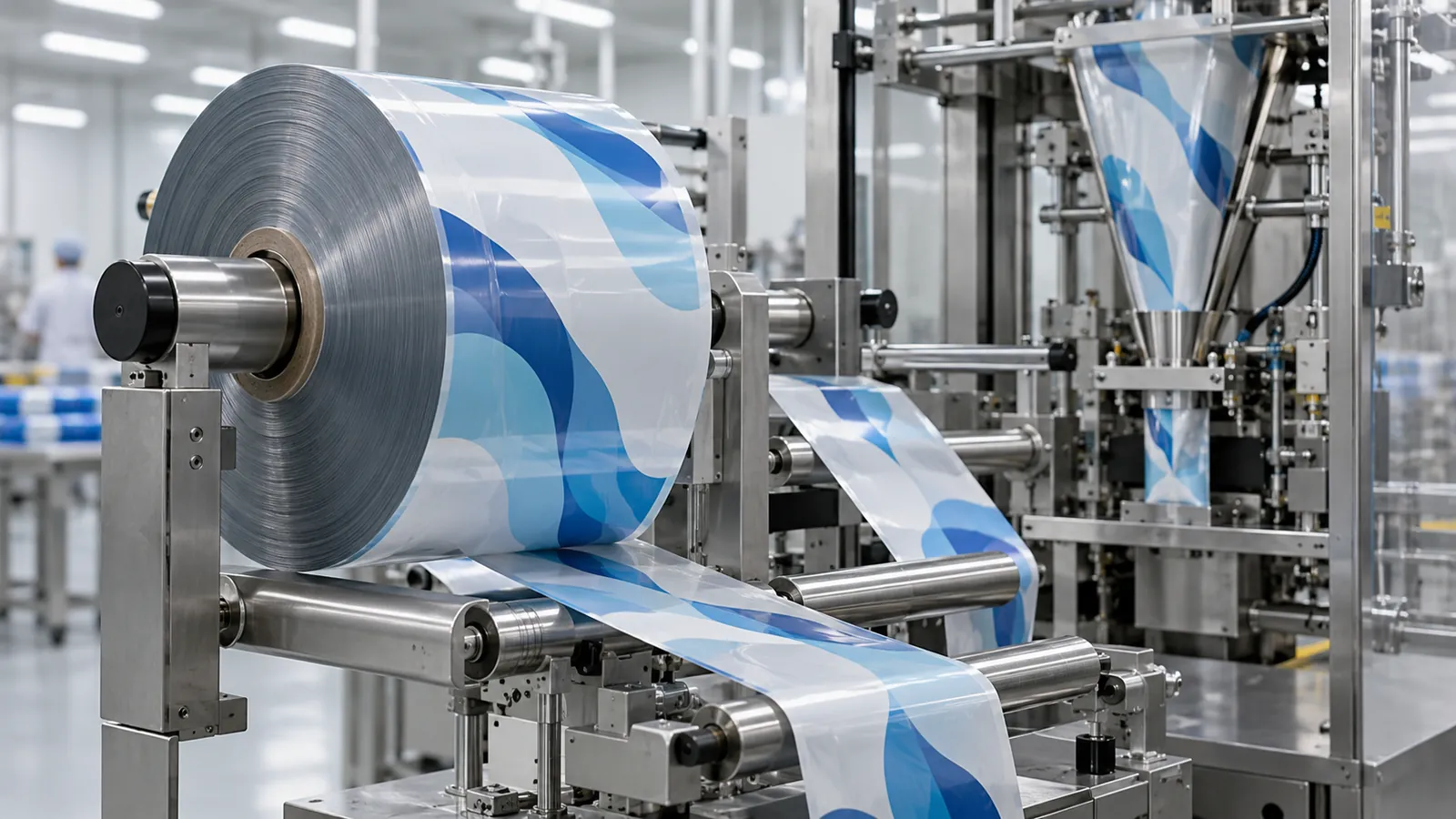
How to Choose Flexible Packaging Film: A Step-by-Step Selection Guide
An end-to-end engineering guide to selecting flexible packaging films: product barrier risks, machine kinematics, substrate structures, and trial verification protocols.
Tag
10 articles with this tag.
An end-to-end engineering guide to selecting flexible packaging films: product barrier risks, machine kinematics, substrate structures, and trial verification protocols.
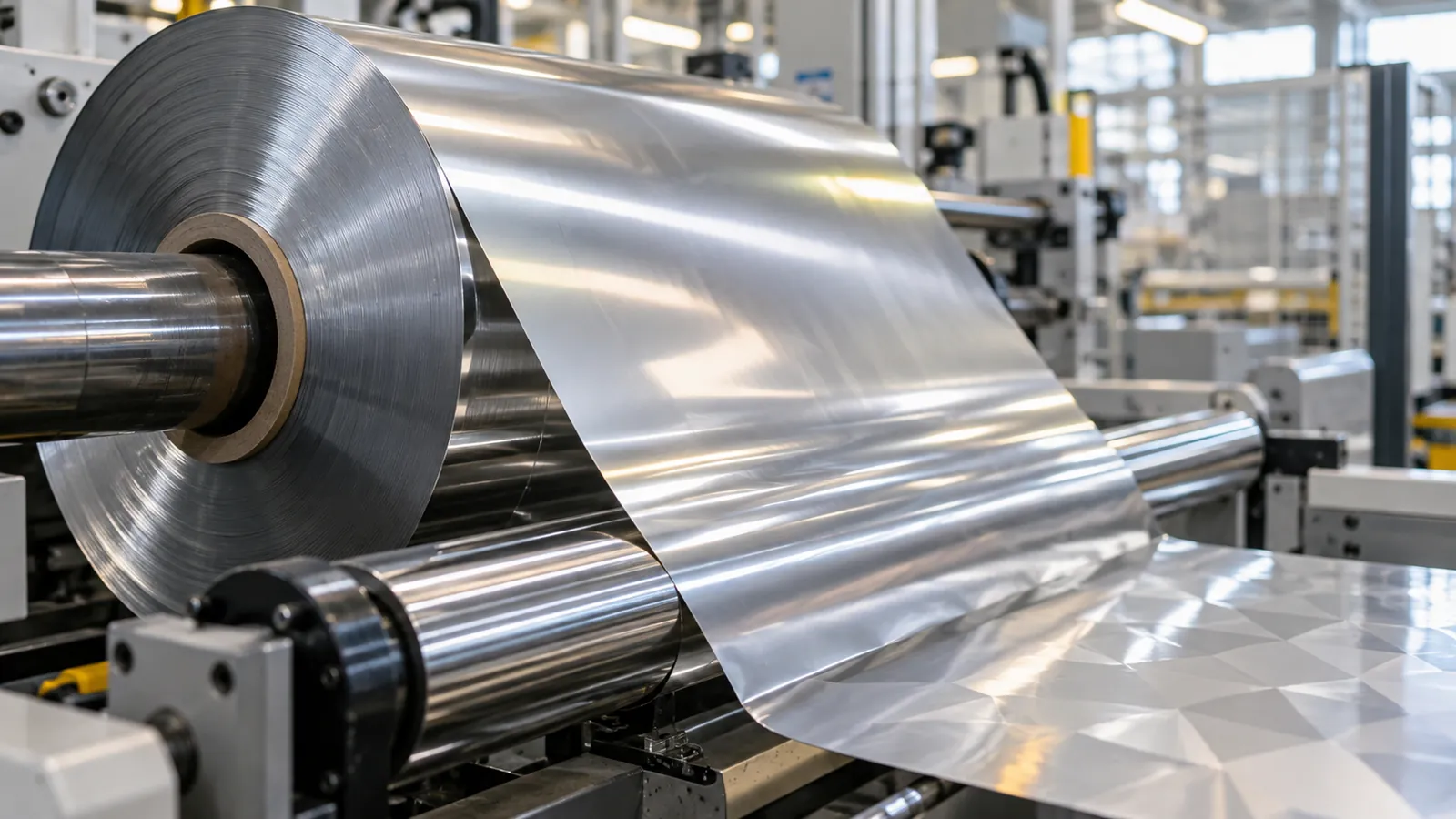
Barrier film slows the passage of oxygen, water vapor, light and aroma through packaging. See which materials block what and how barrier is measured.
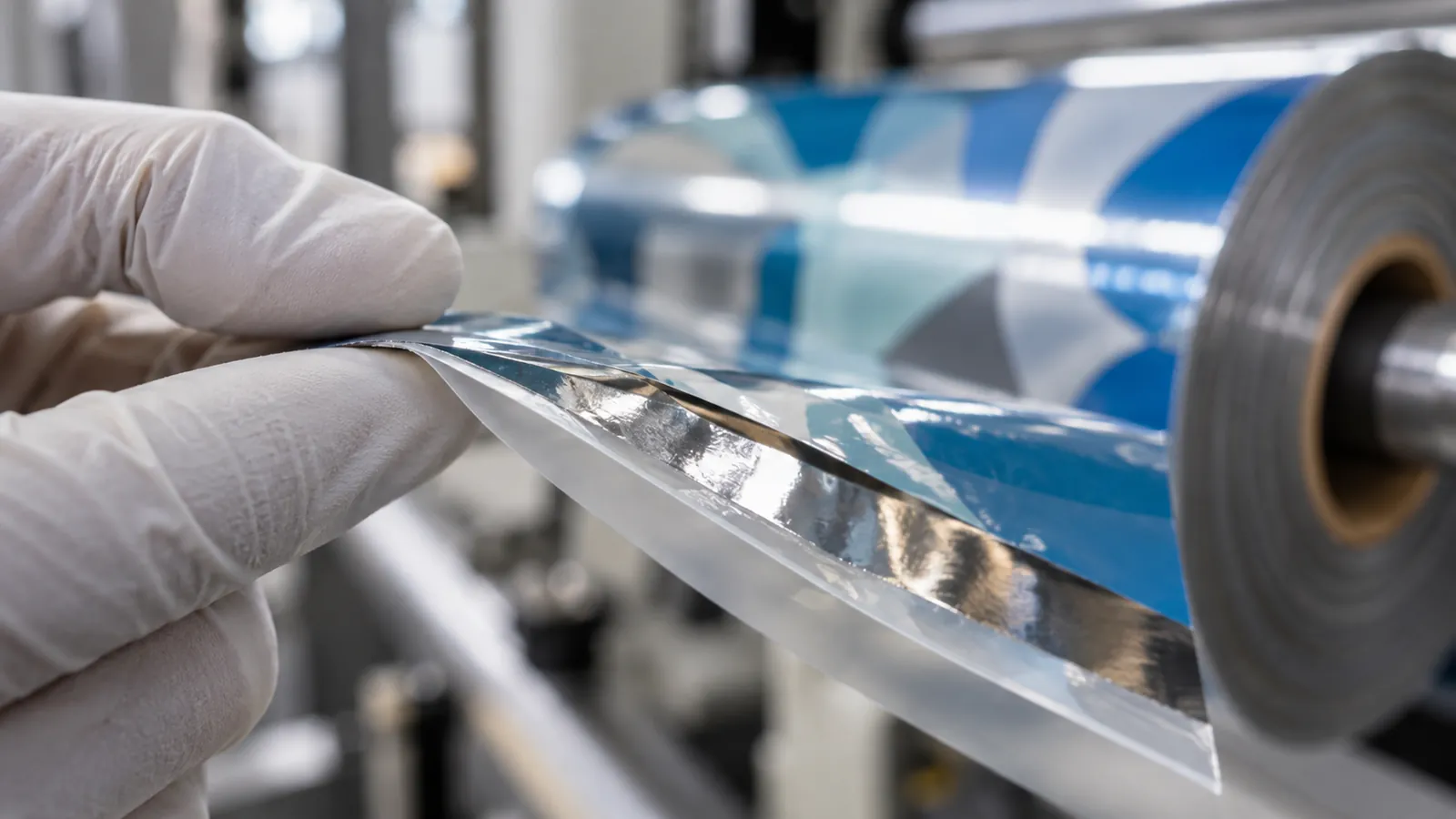
Flexible packaging film is built as monolayer, coextruded or laminated webs. Learn how layers, printing and rollstock affect performance.
Flexible vs rigid packaging compared on material use, transport, protection, shelf impact, filling lines, cost and recycling, plus when rigid still wins.
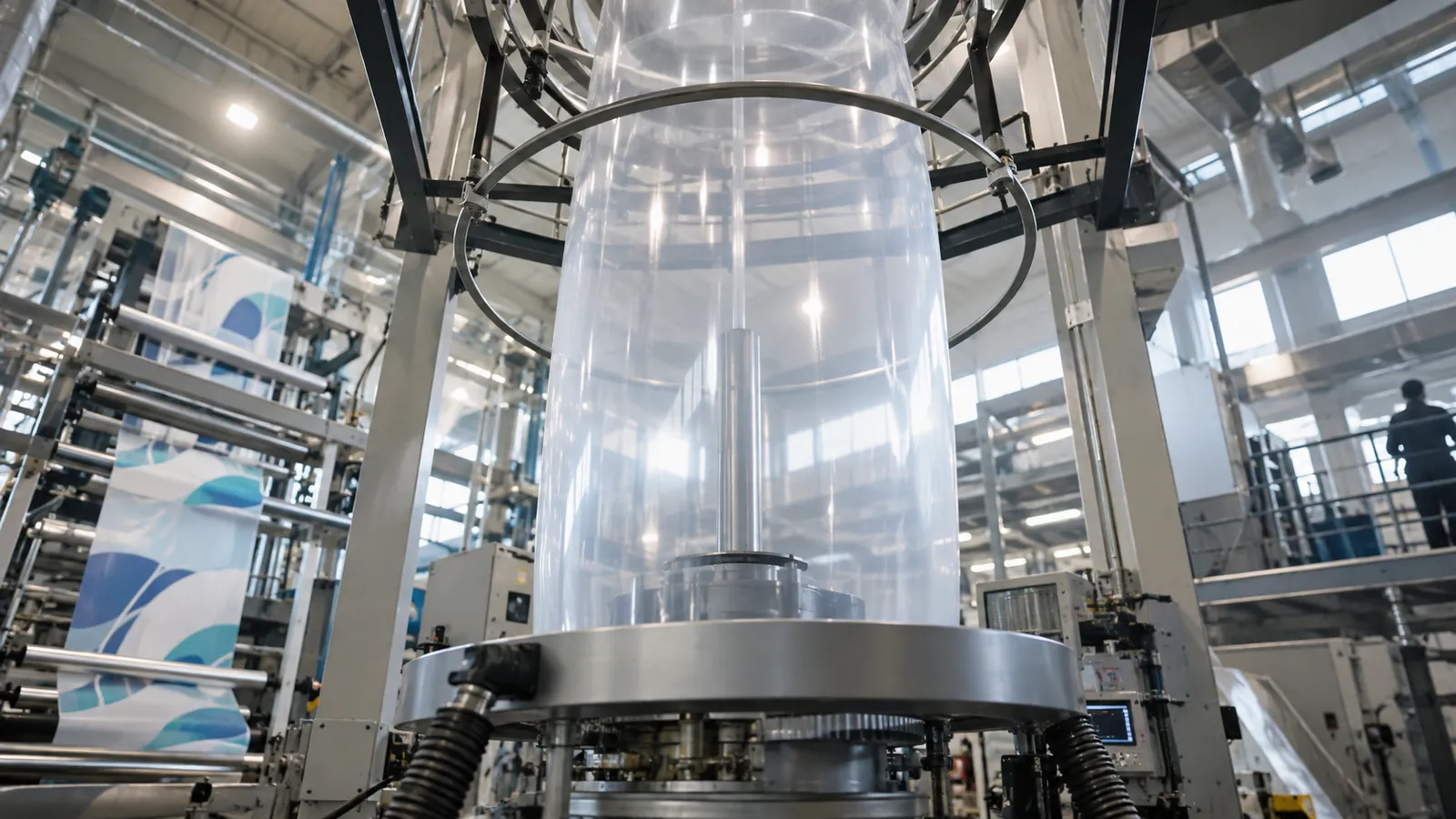
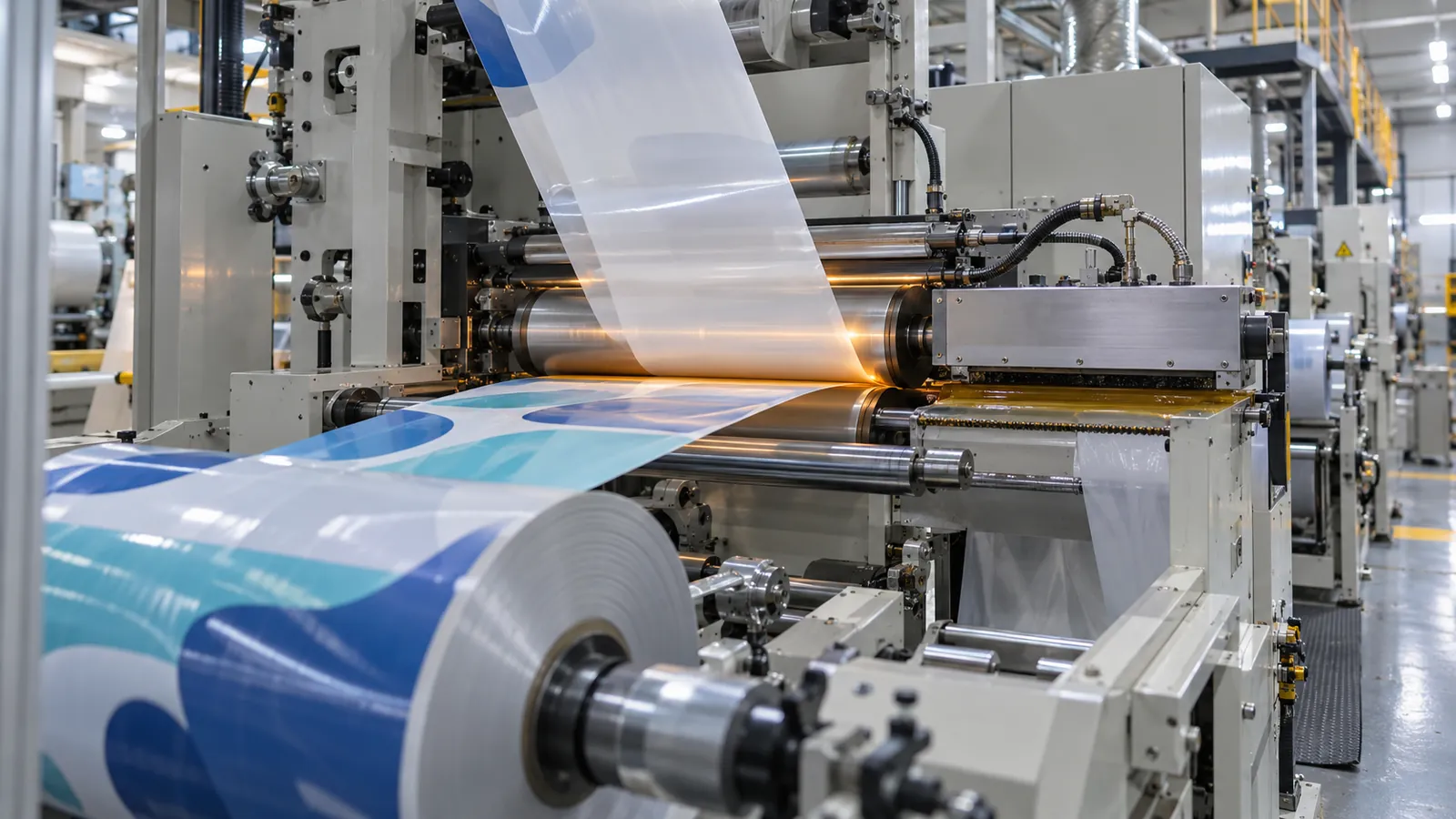
How flexible packaging is made, step by step: extrusion, printing, lamination, coating, slitting, pouch making and the quality checks at each stage.
Laminated packaging bonds films, foil or paper into one web for print, barrier and seal. Learn dry, wet and extrusion lamination, curing and bond strength.
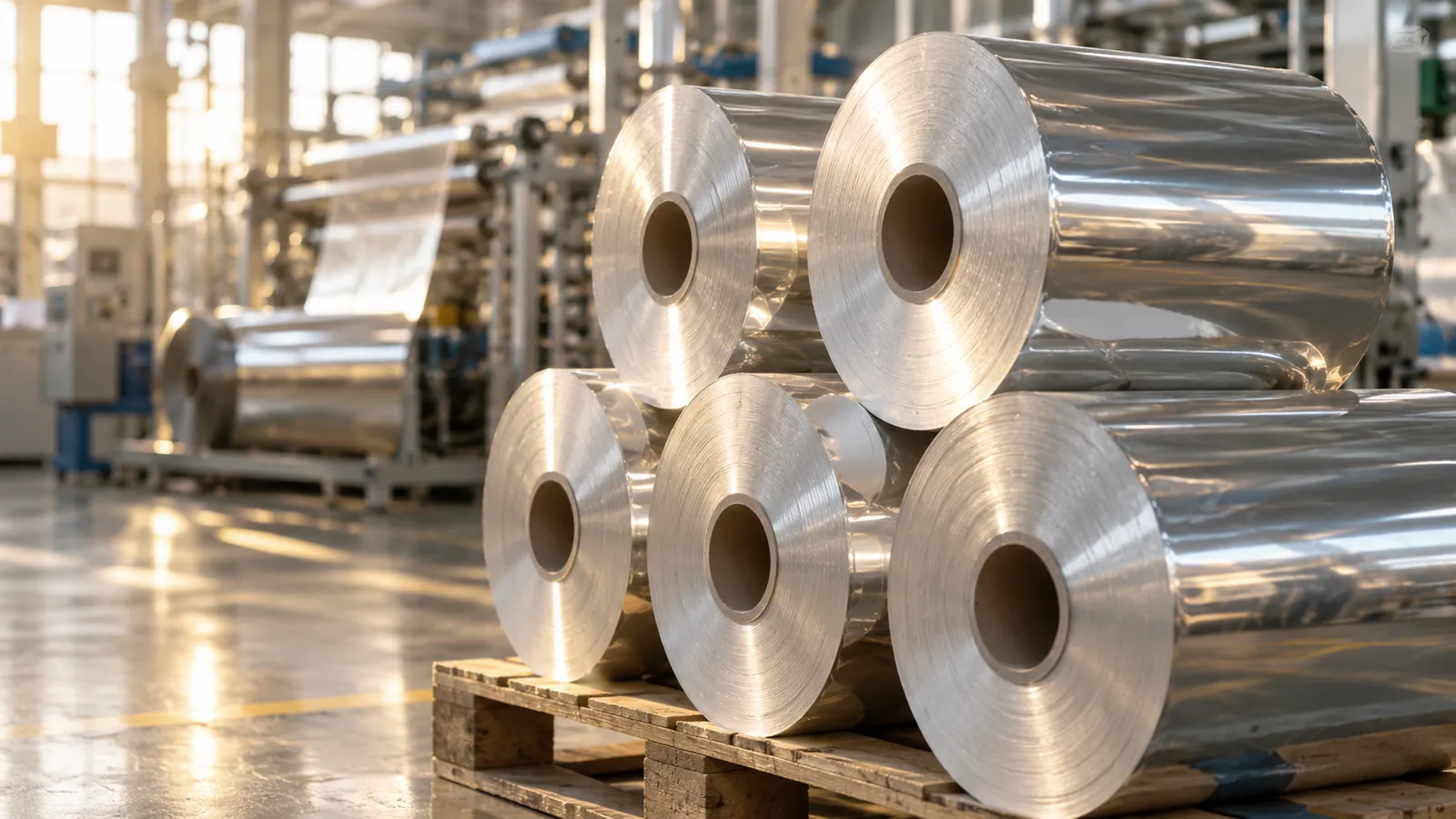
Metallized film has a thin vacuum-deposited aluminum layer that improves barrier and adds a foil-like look. See process, optical density, uses and limits.
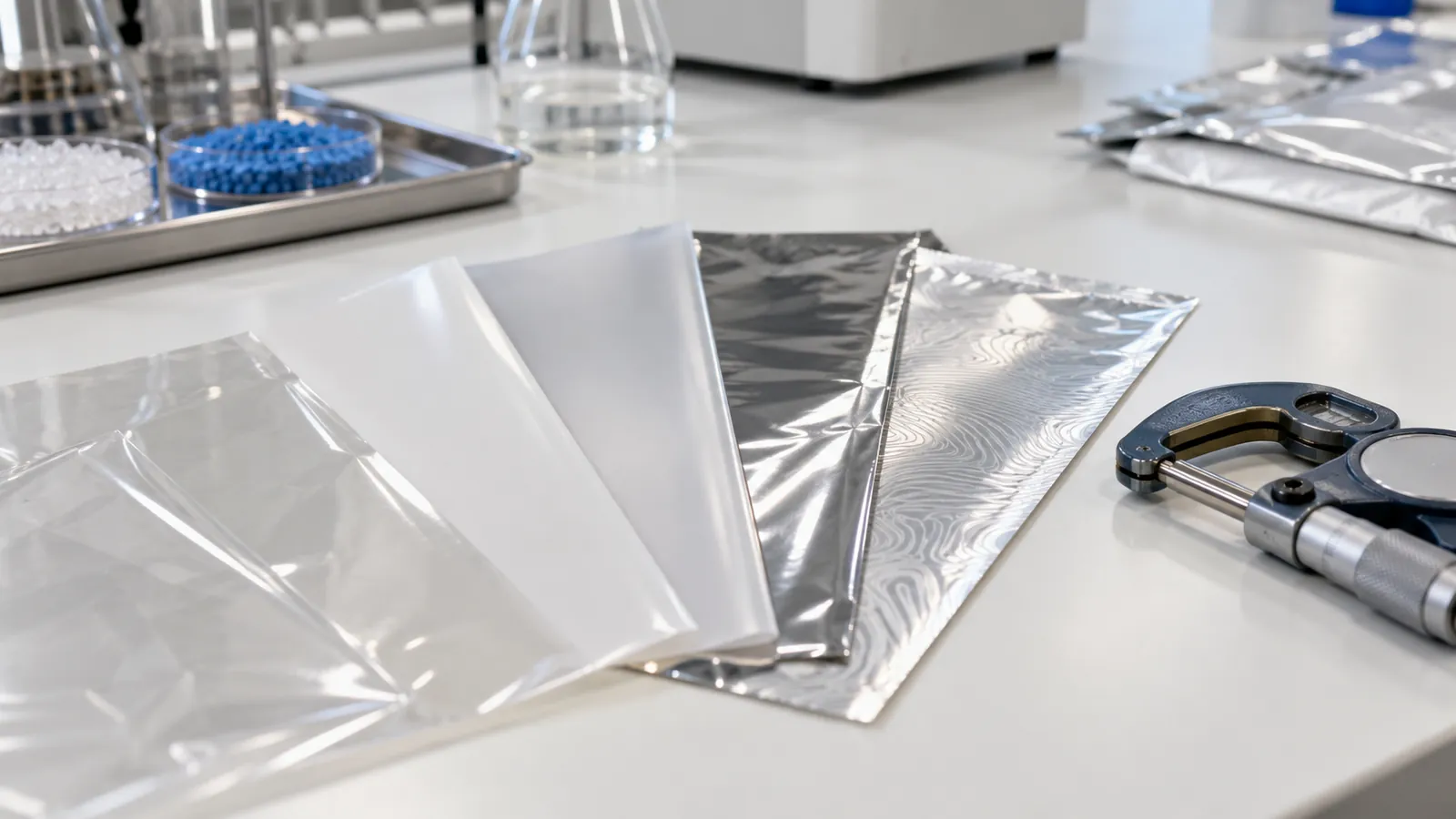
Packaging film types differ by polymer: PE, CPP, BOPP, BOPET, nylon, EVOH, PVC, PETG, POF and metallized film. See what each does and where it fits.
Rollstock packaging is printed film supplied on reels and formed into packs on your line. Learn which machines use it and what a roll spec must include.
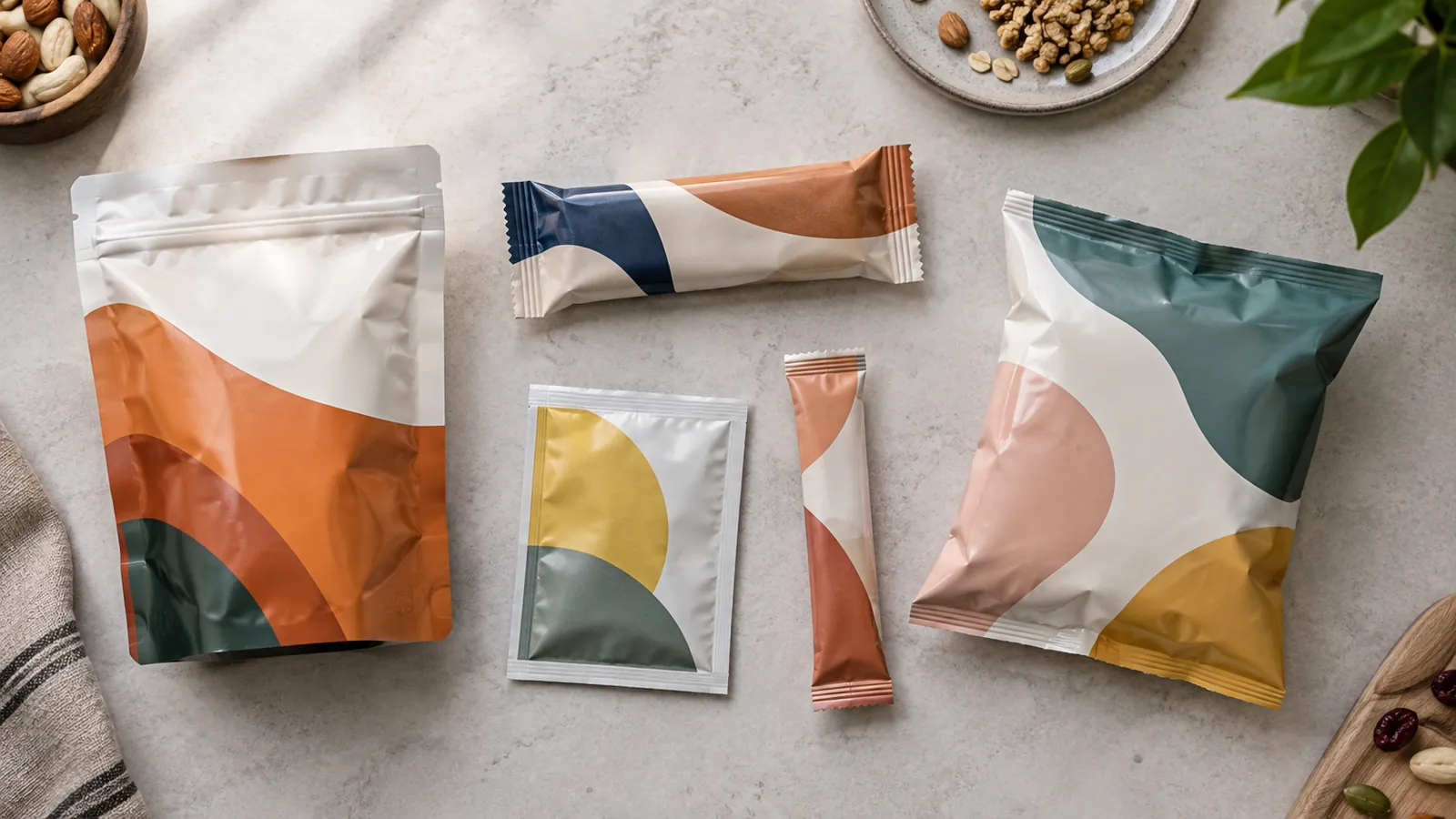
Types of flexible packaging can be sorted by format, material family or construction. Use this guide to match each type to products and narrow your choice.