Materials
Aluminum Foil Packaging: Foil Laminates, Gauges and Uses
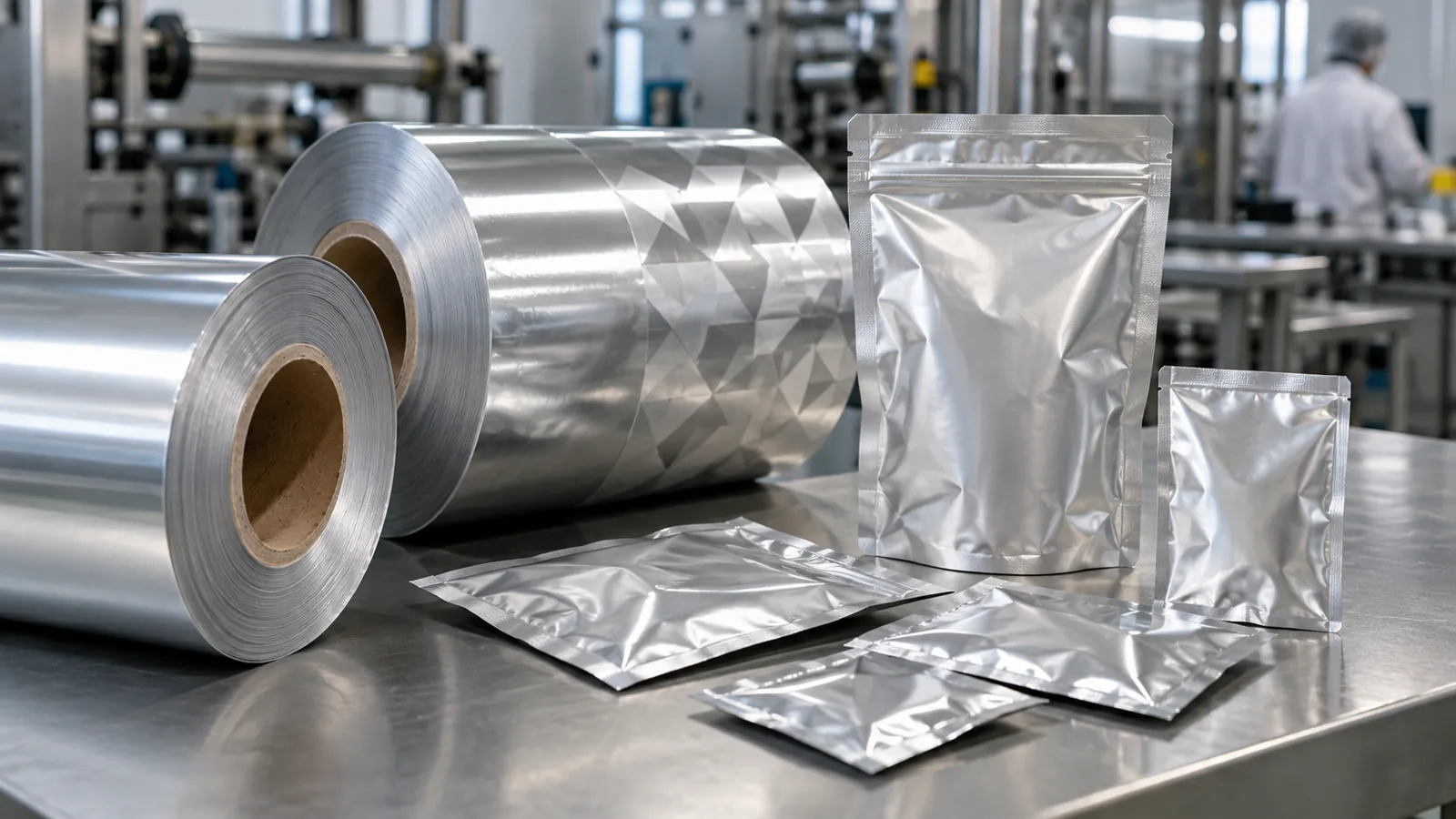
Aluminum foil packaging explained: why foil gives near-complete barrier, layer thickness and temper, laminate structures, uses and recycling limits.

Complete archive
Page 2 of 10
Aluminum foil packaging explained: why foil gives near-complete barrier, layer thickness and temper, laminate structures, uses and recycling limits.
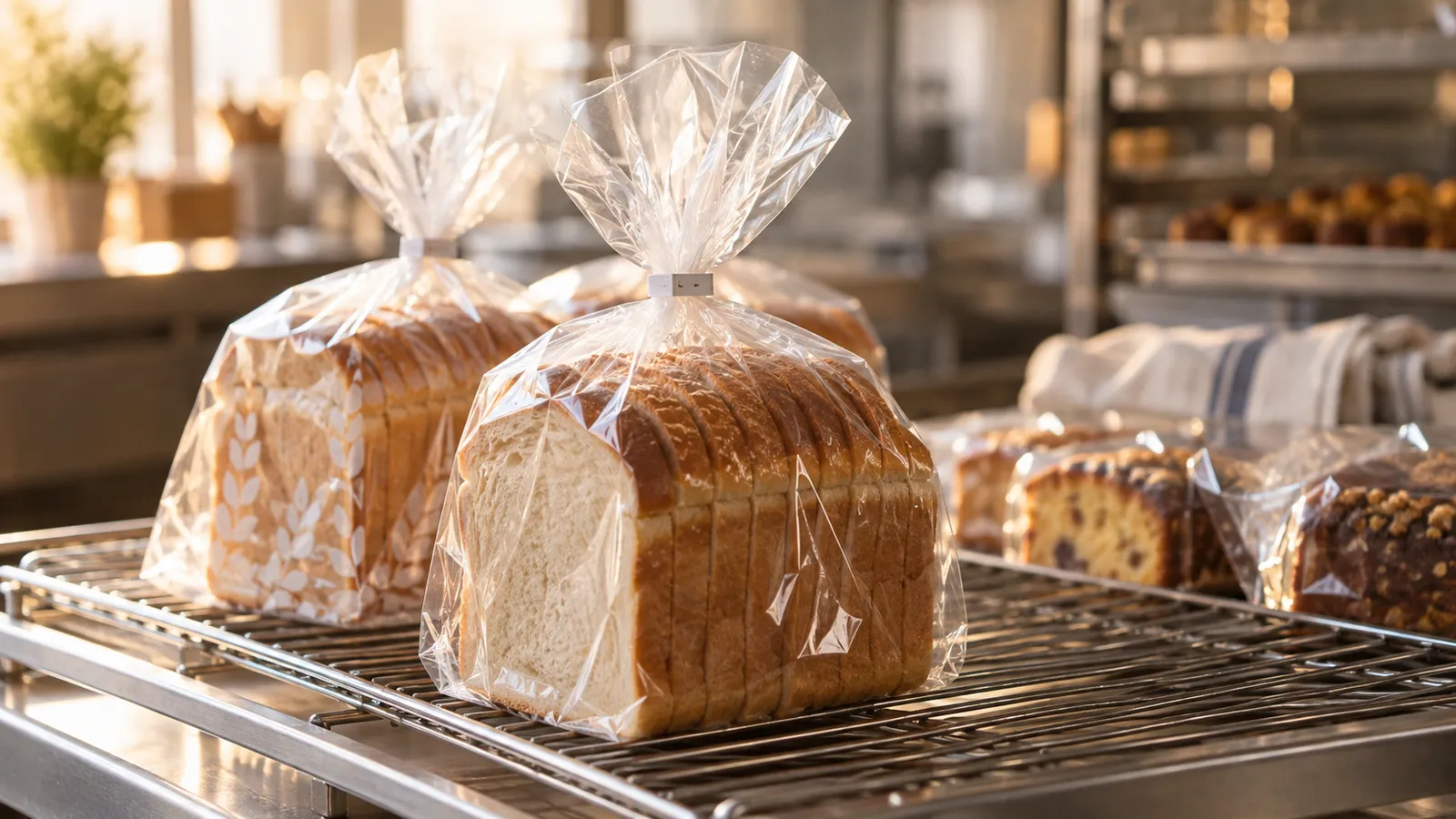
Bakery packaging film explained: how staling, moisture loss and mold shape film choice for bread, cakes, cookies and tortillas, plus formats and machines.
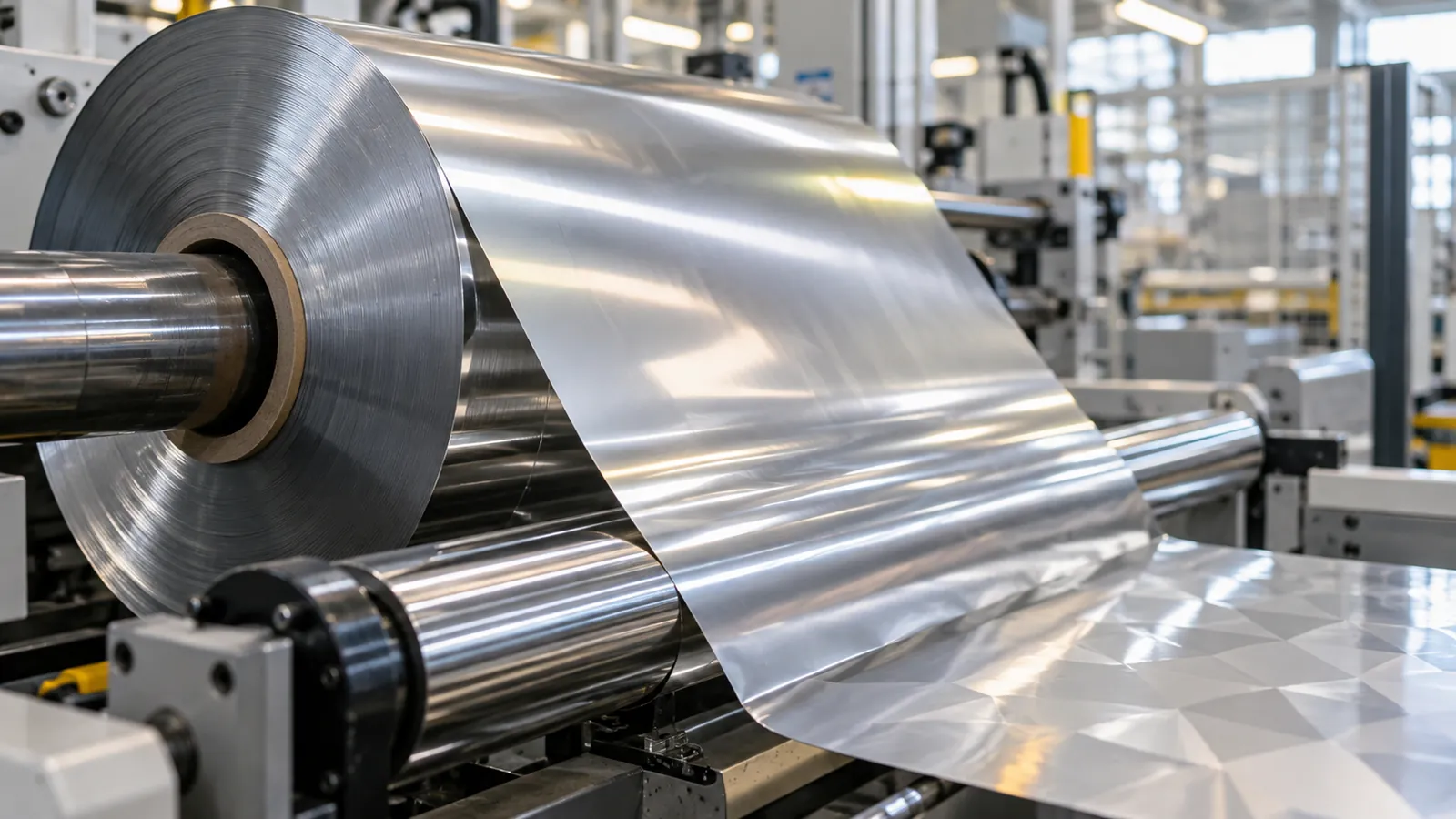
Barrier film slows the passage of oxygen, water vapor, light and aroma through packaging. See which materials block what and how barrier is measured.
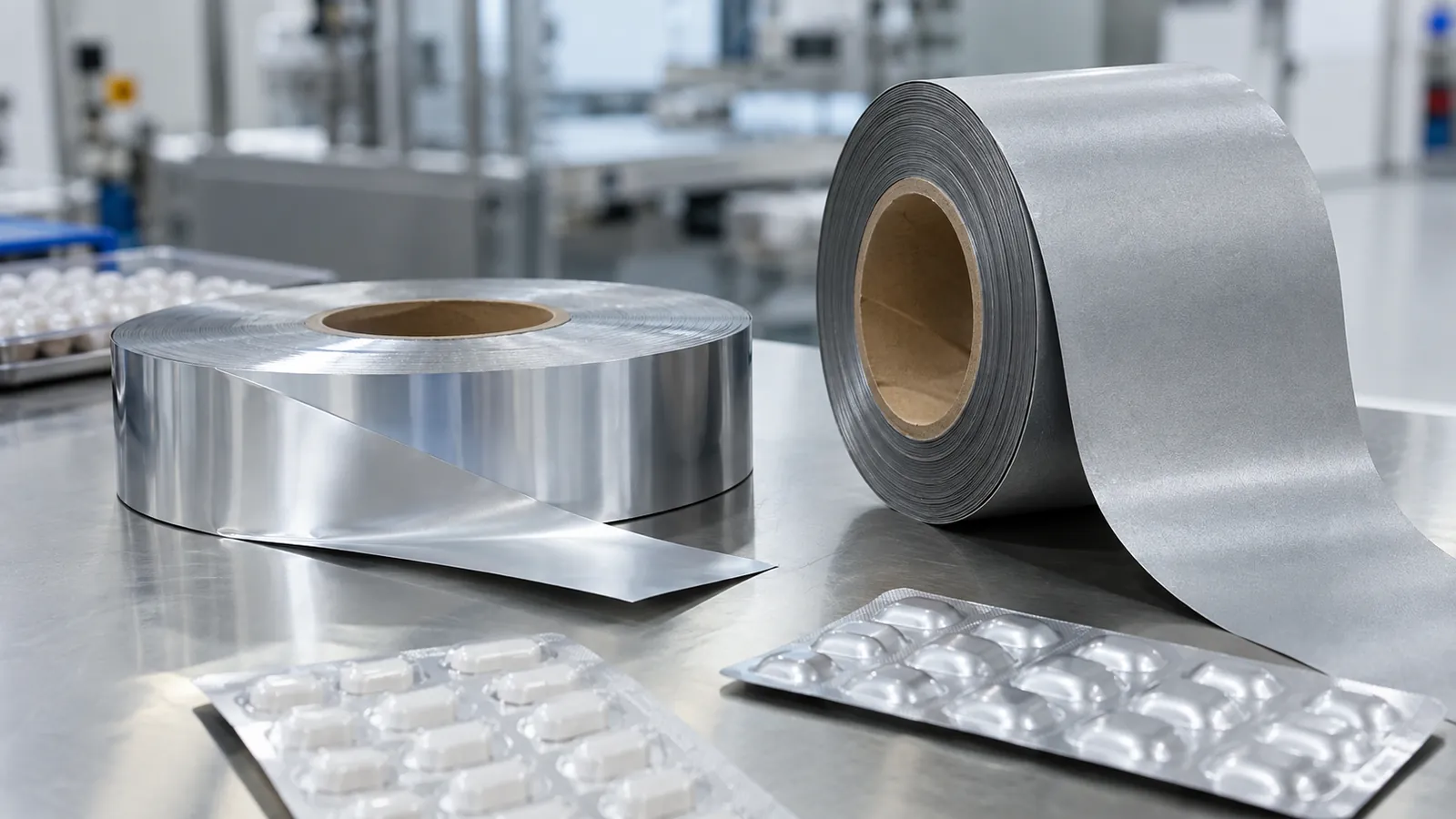
Blister foil vs cold form foil: one is the thin lidding foil, the other the formable laminate that becomes the cavity. See how they differ and work together.

Blister foil is aluminum-based lidding for pharmaceutical blister packs. Learn lidding types, lacquers, sealing variables and checks.
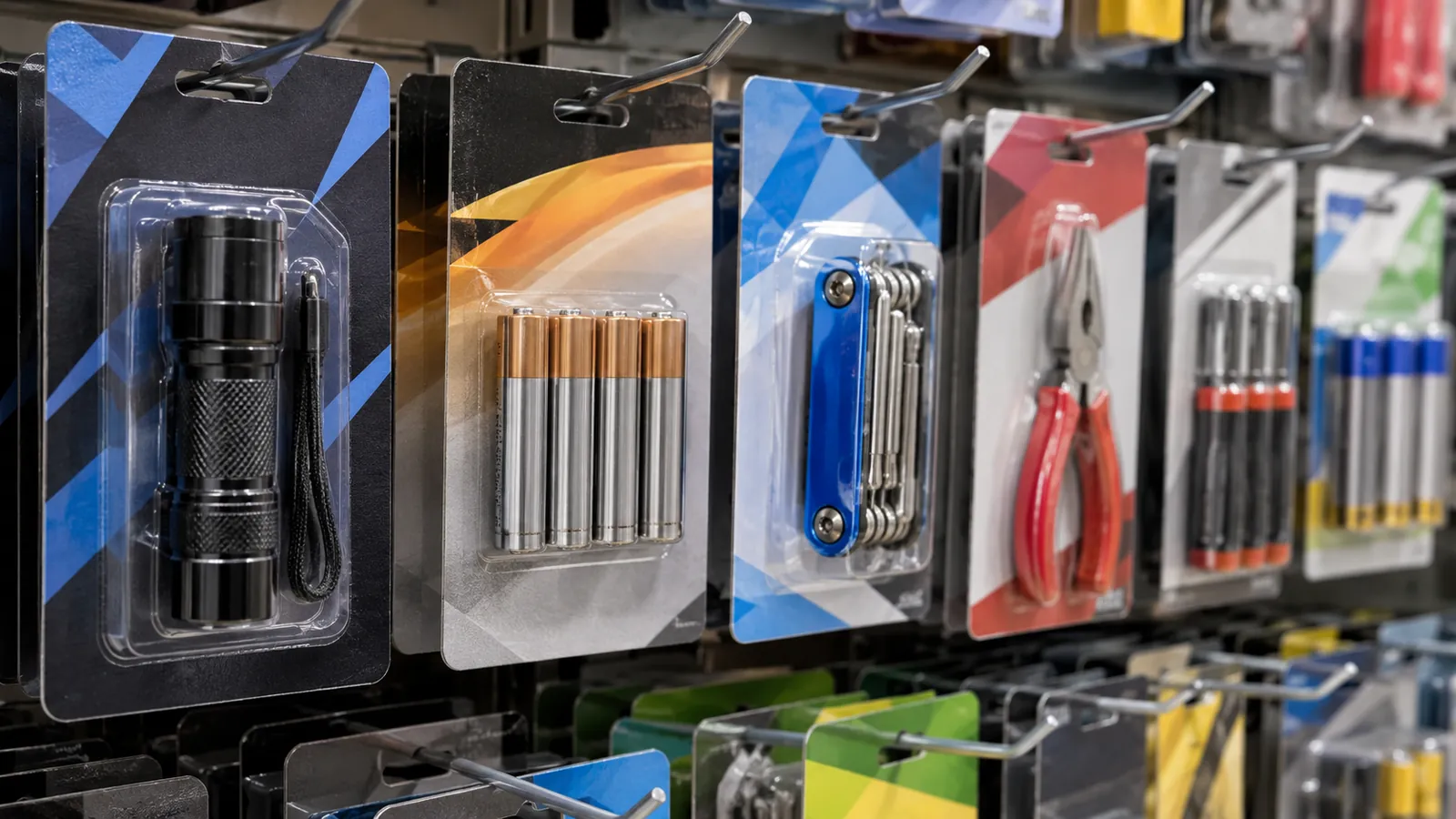
Blister packaging holds a product in a thermoformed or cold-formed cavity sealed to a lidding or card; see types, materials and typical uses.
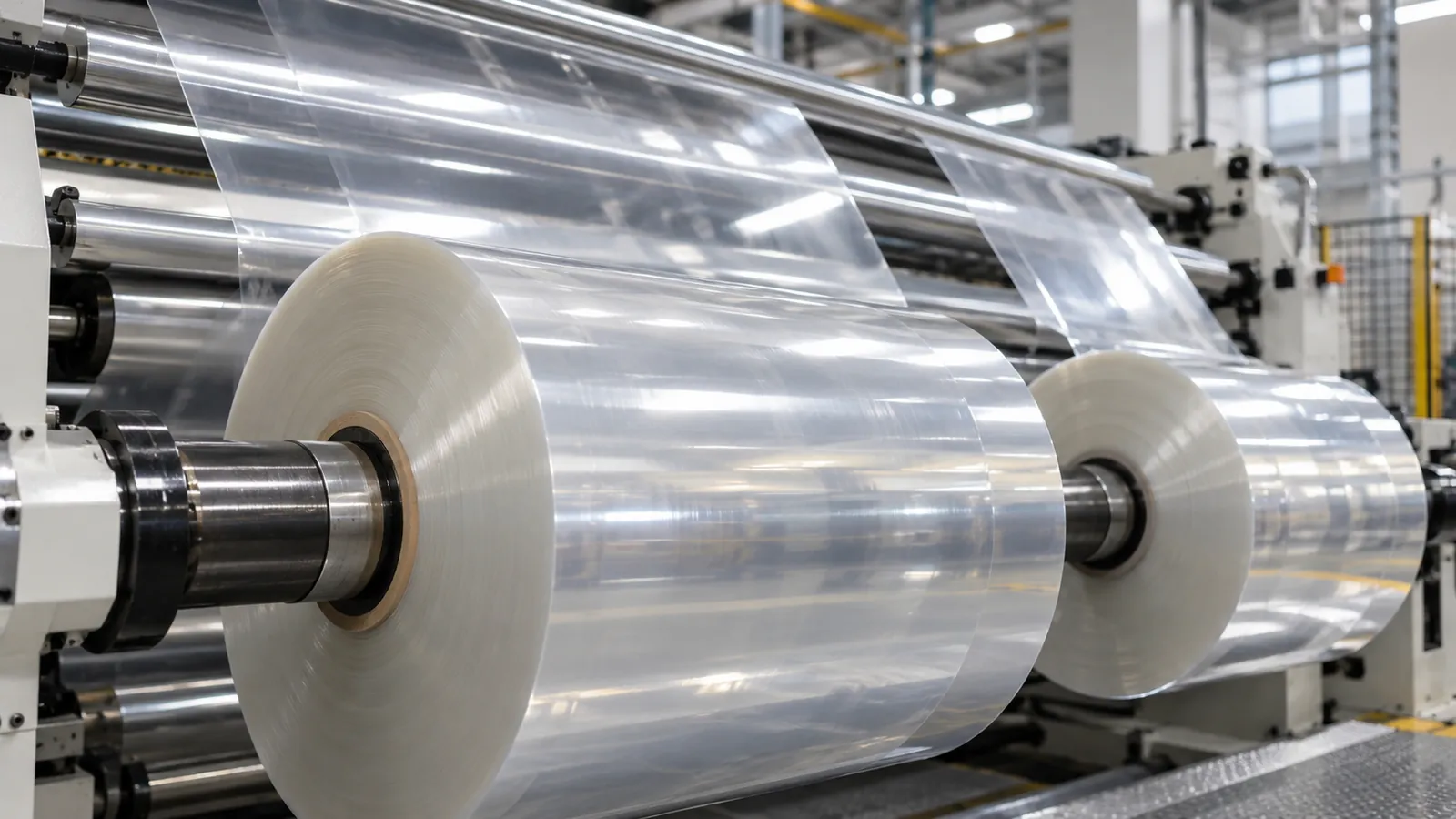
BOPP packaging film explained: what biaxial orientation does, the main grades from clear to metallized, sealing options and typical uses.
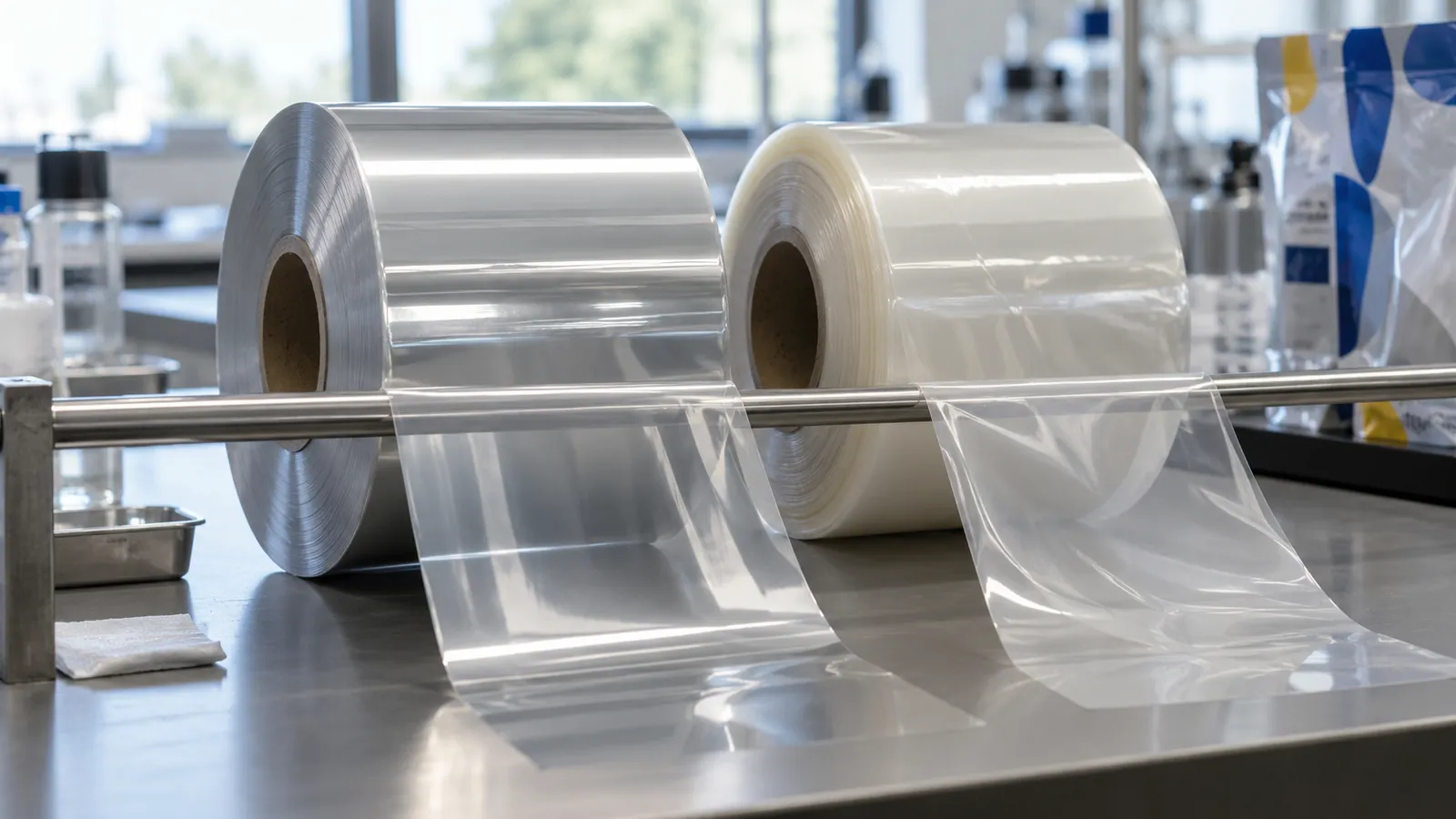
BOPP vs CPP compared: oriented versus cast polypropylene film on stiffness, clarity, sealing, heat resistance, barrier, recyclability and where each is used.
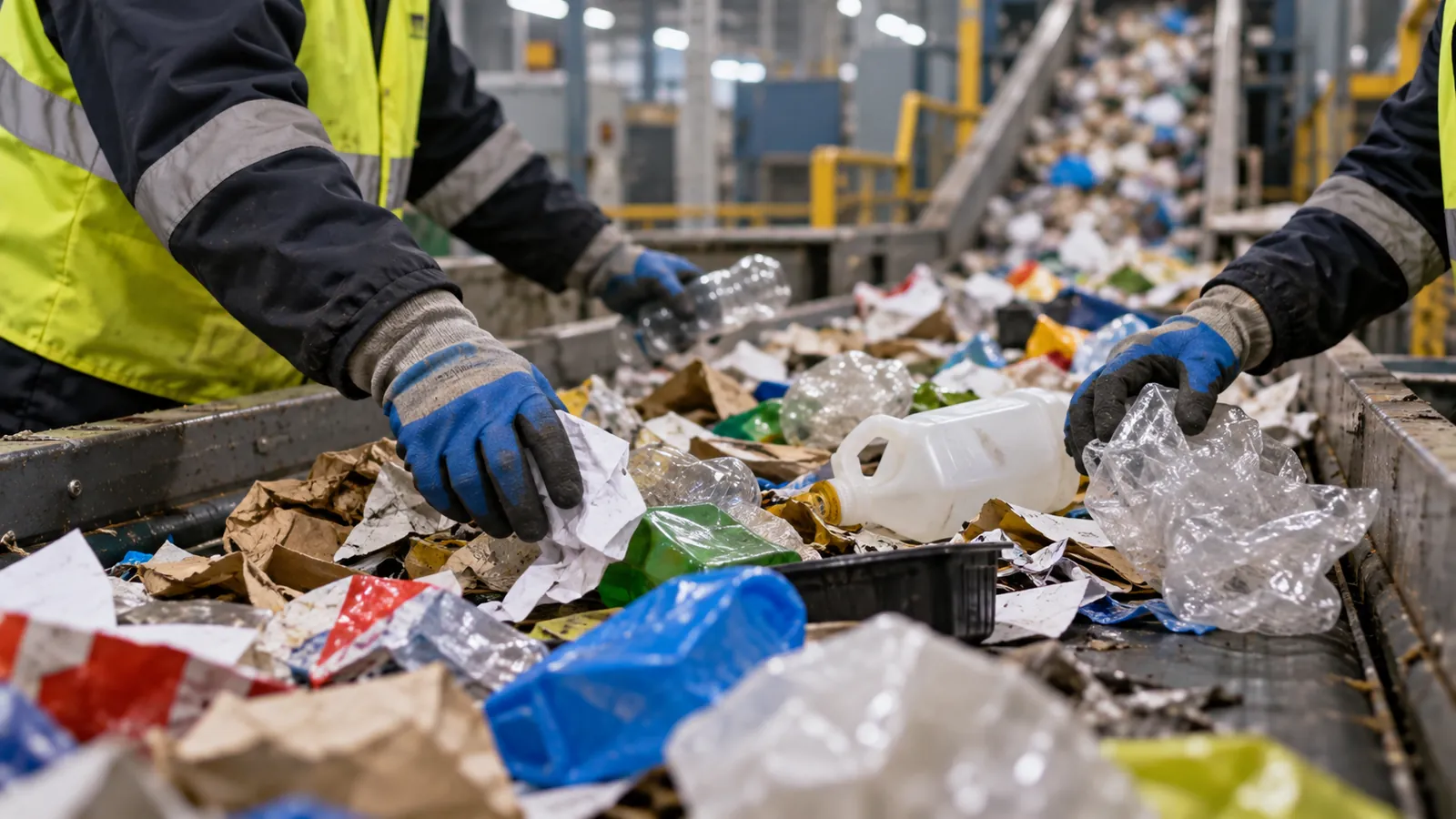
California SB 54 makes producers responsible for single-use packaging, with 2032 targets for recyclability, source reduction and recycling rates.
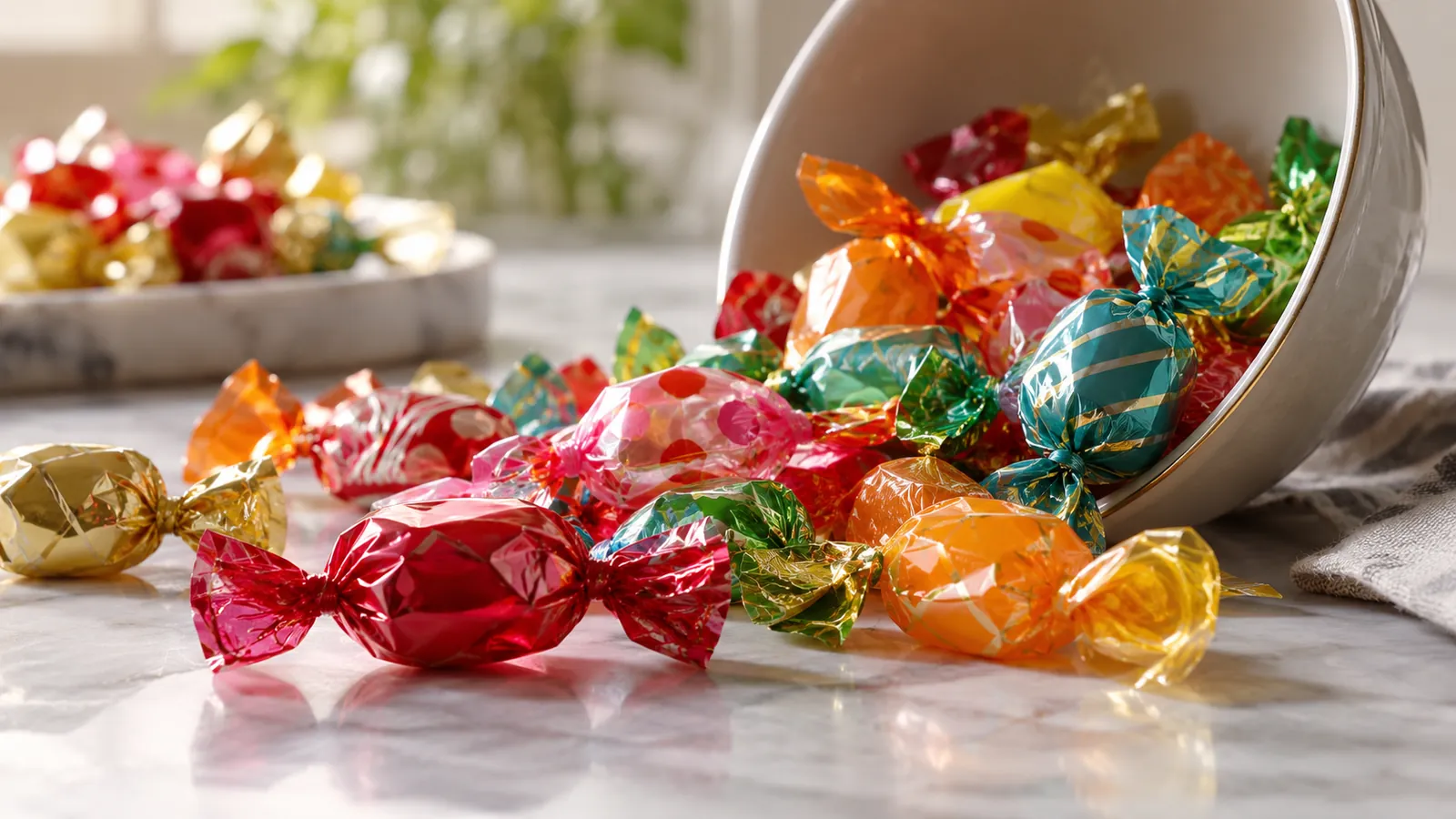
Candy packaging film explained: twist-wrap and flow-wrap structures, cold seal for chocolate, moisture and aroma barrier, metallized and white BOPP.
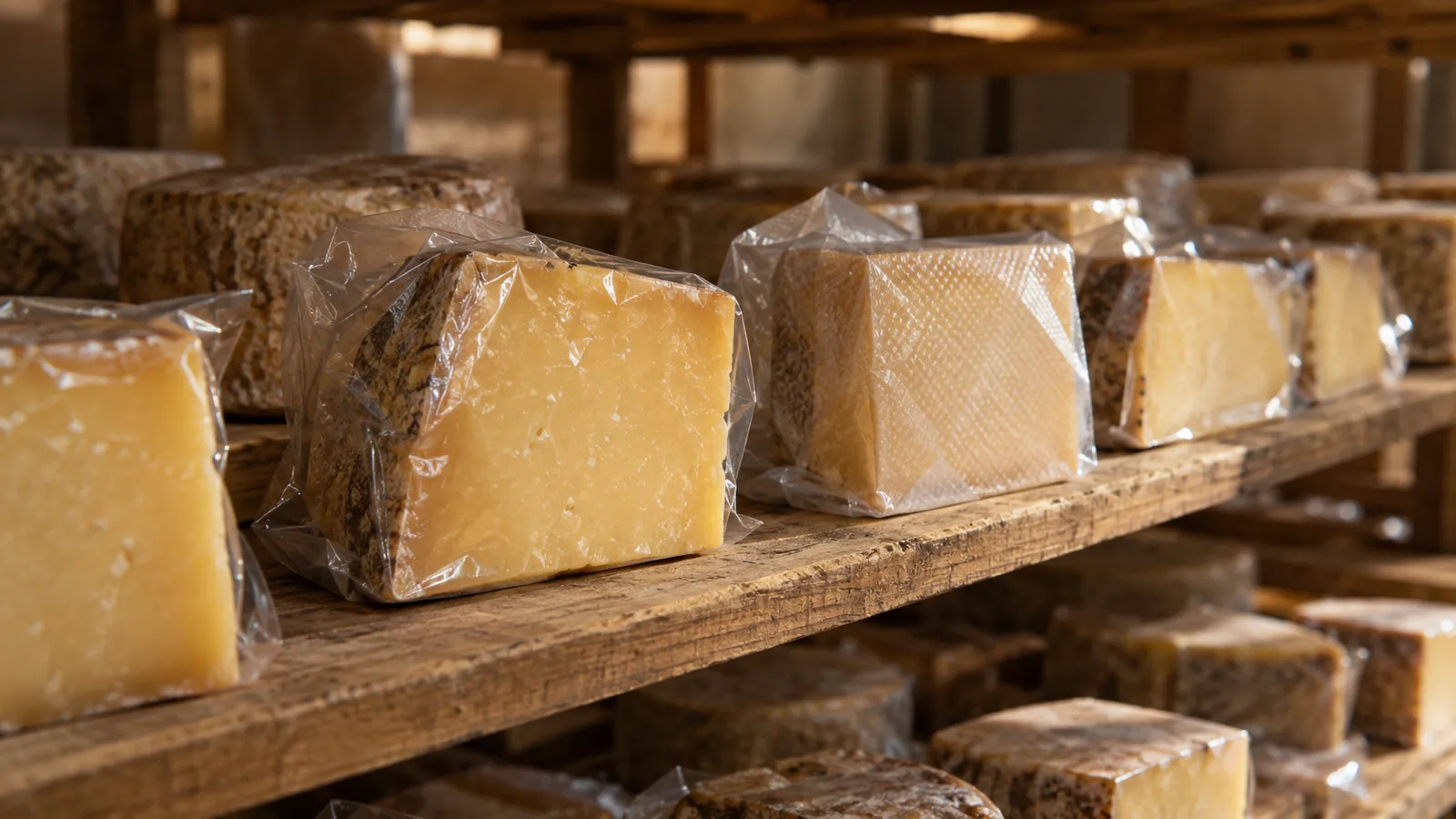
Cheese packaging film explained: gas-permeable ripening films, vacuum bags for blocks, MAP for sliced and shredded cheese, reclosable packs and structures.
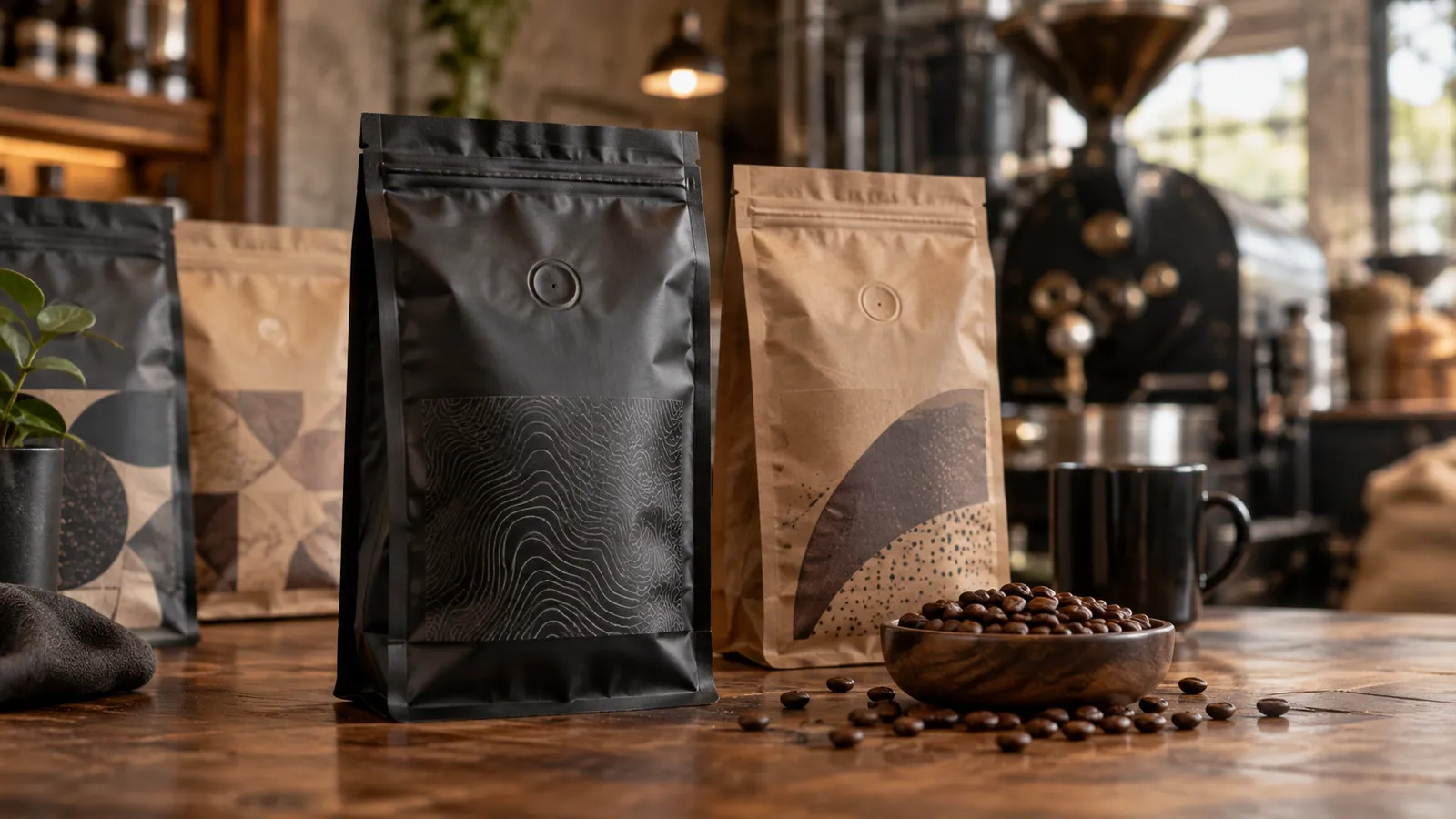
Coffee packaging materials explained: oxygen and aroma barrier, one-way degassing valves, nitrogen flushing, pouch formats and machine fit.