Materials
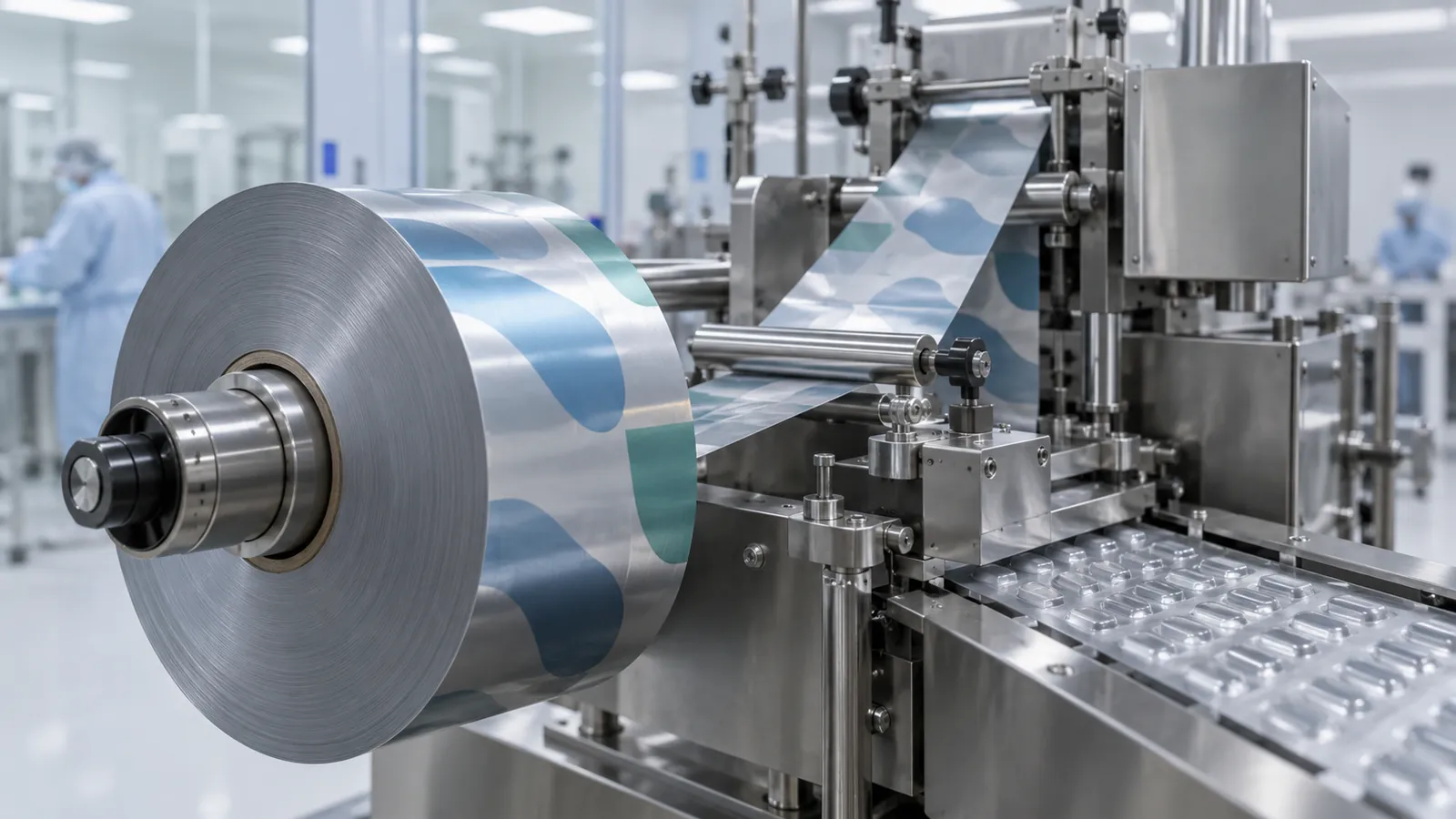
Cold Form Foil: Laminates for Alu-Alu Blisters
Cold form foil is a soft aluminum laminate pressed into blister cavities without heat. Learn the OPA/Al/PVC build, forming limits, defects and checks.

Complete archive
Page 3 of 10
Cold form foil is a soft aluminum laminate pressed into blister cavities without heat. Learn the OPA/Al/PVC build, forming limits, defects and checks.
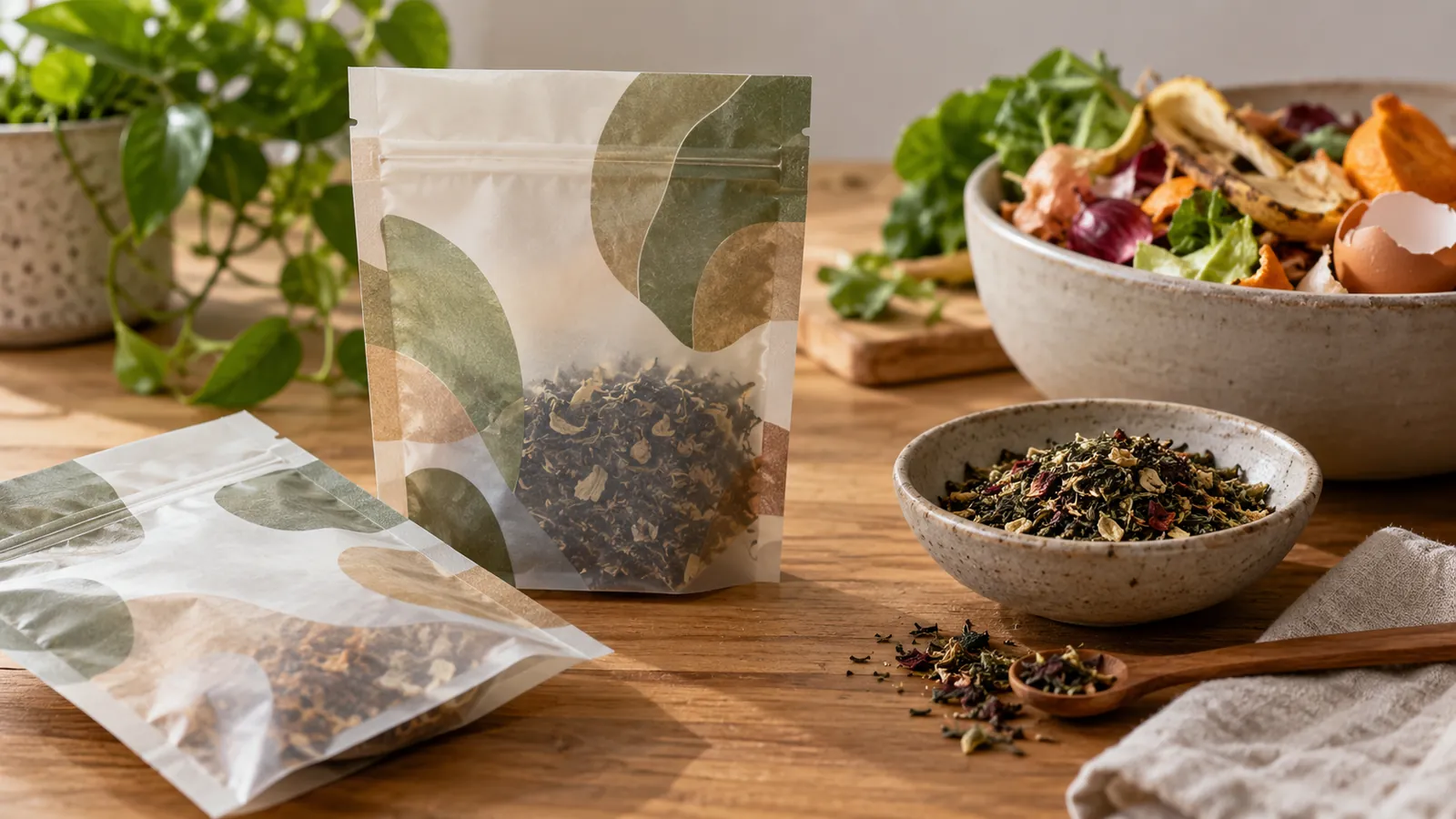
Compostable flexible packaging breaks down under defined composting conditions. Learn the standards, common materials, barrier limits and when it makes sense.
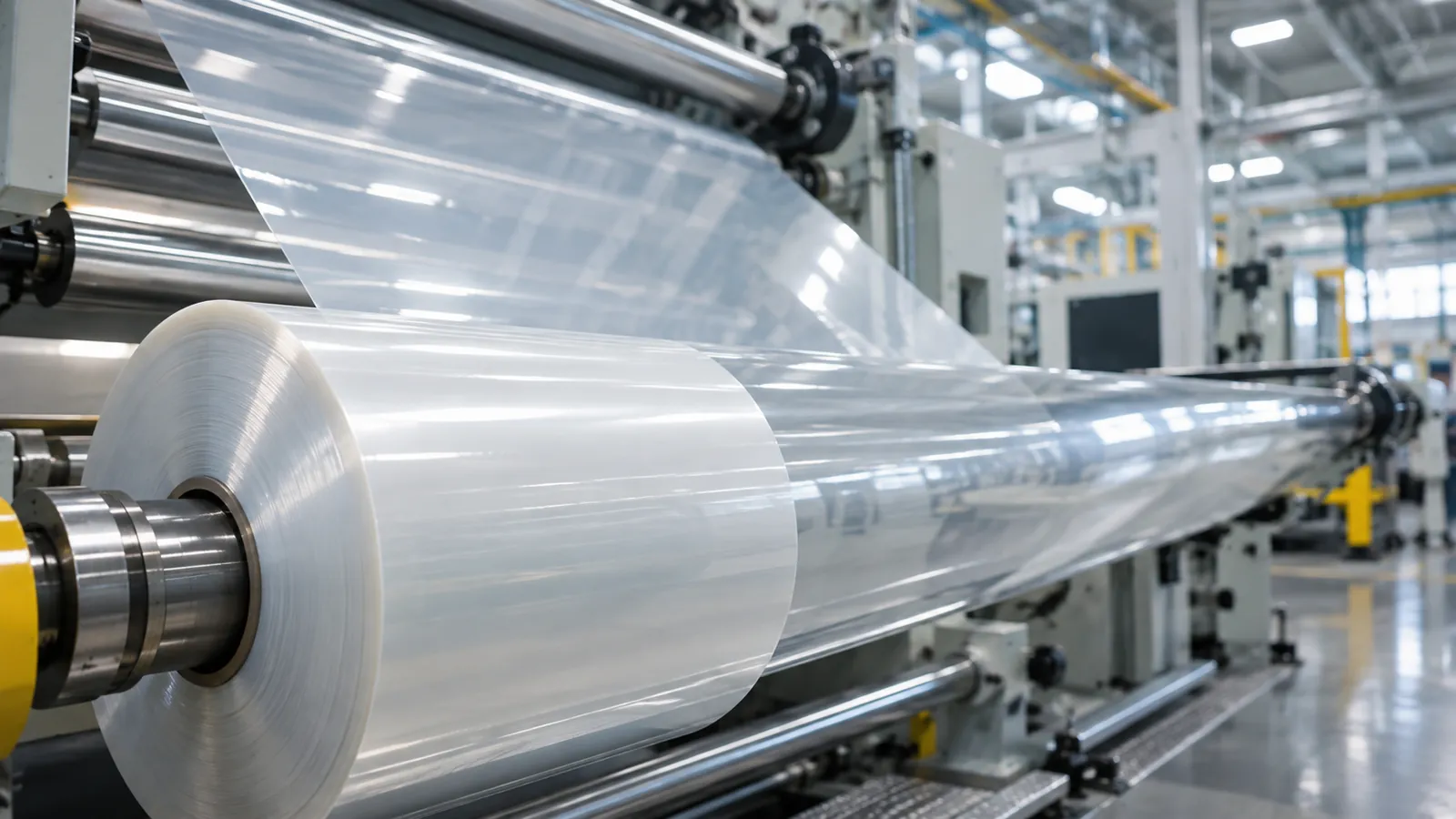
CPP film packaging uses cast polypropylene for clear, soft, heat-sealable layers. Learn the grades, uses and how CPP compares with LLDPE sealant.
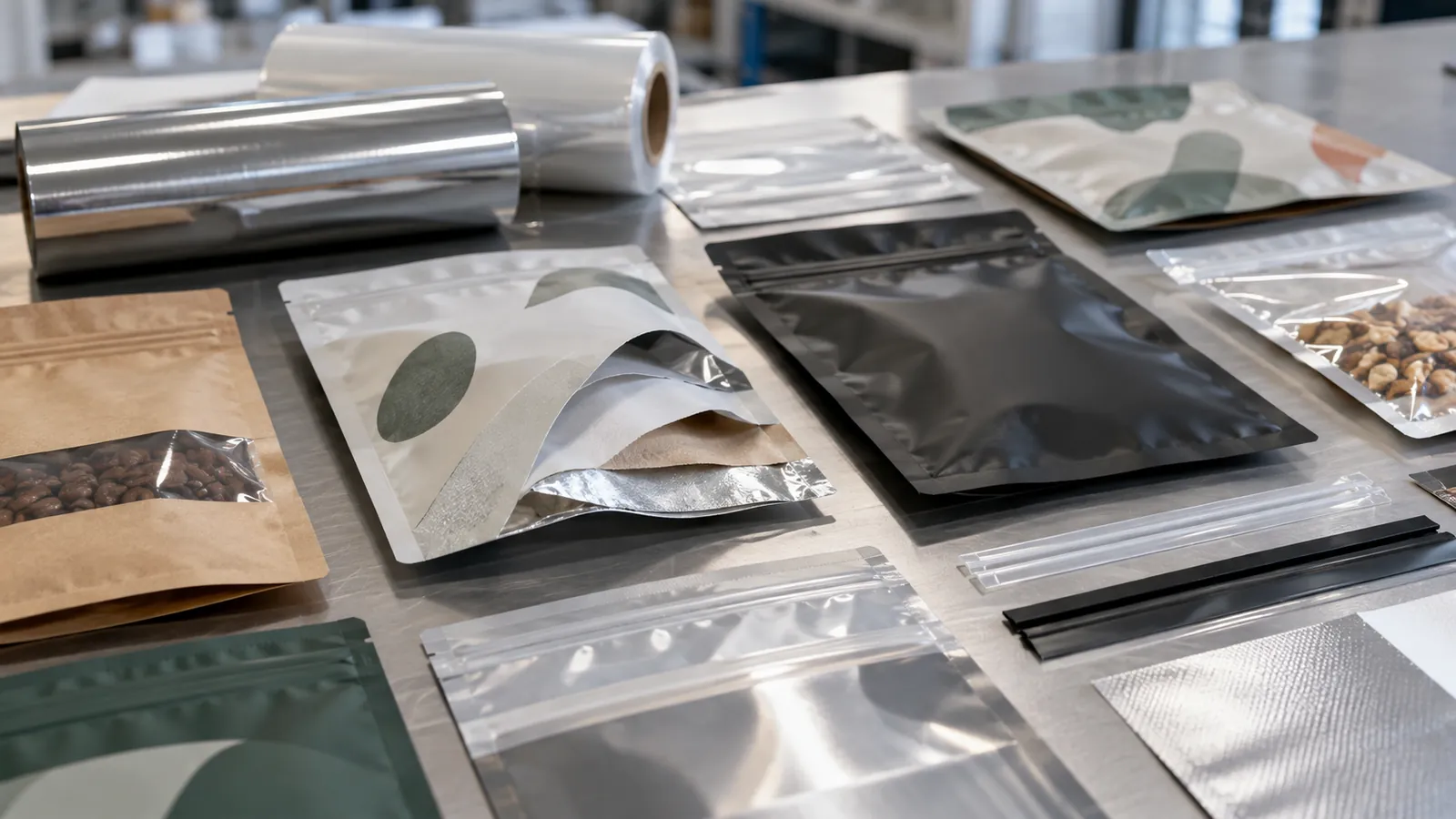
Design for recycling means building a pack to fit a recycling stream. Use this checklist for polymers, barriers, inks, adhesives, fitments and testing.
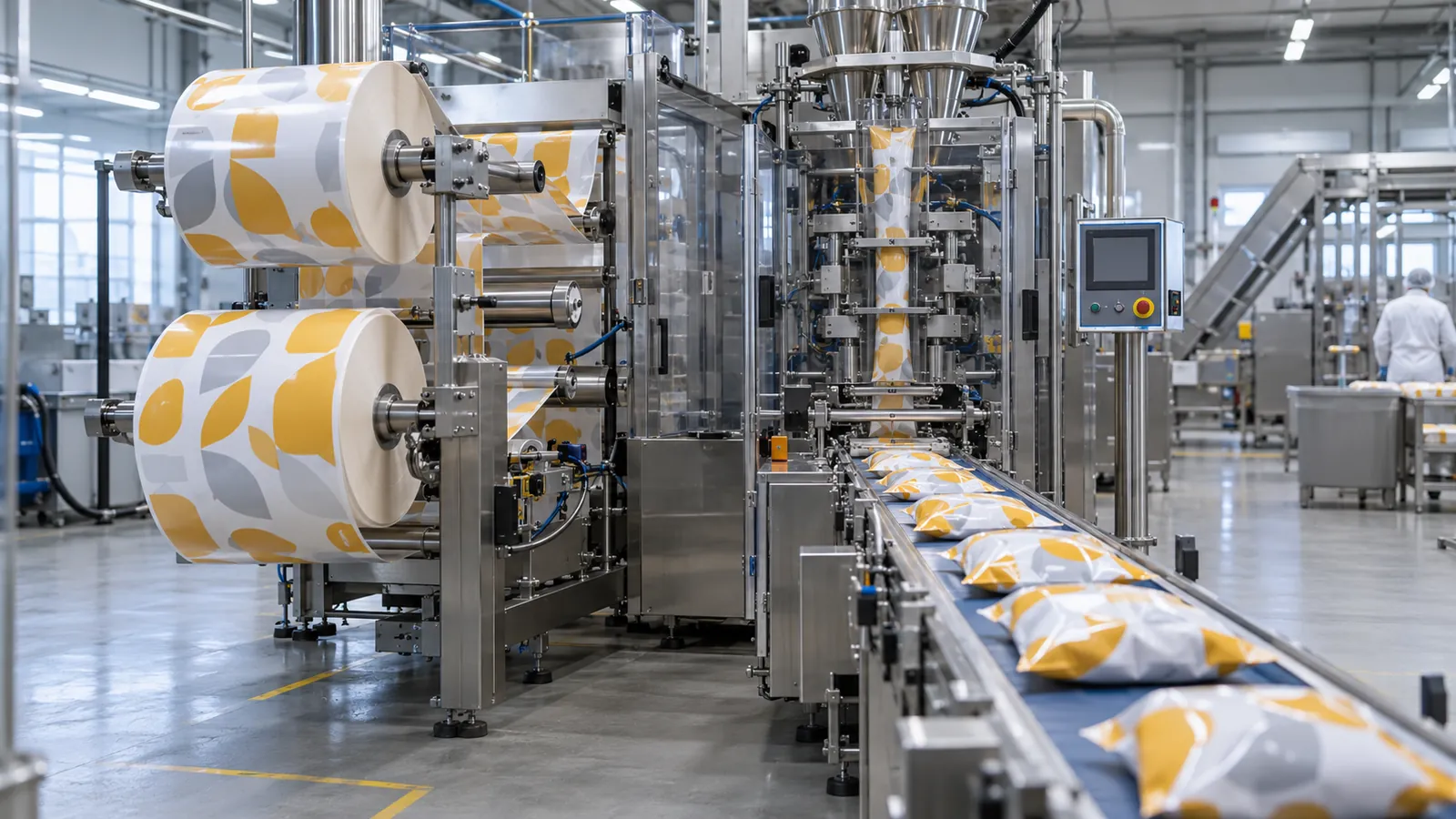
The PPWR, Regulation (EU) 2025/40, sets EU rules on recyclability, recycled content, labeling and PFAS. See the timeline and what it means for flexible packaging.
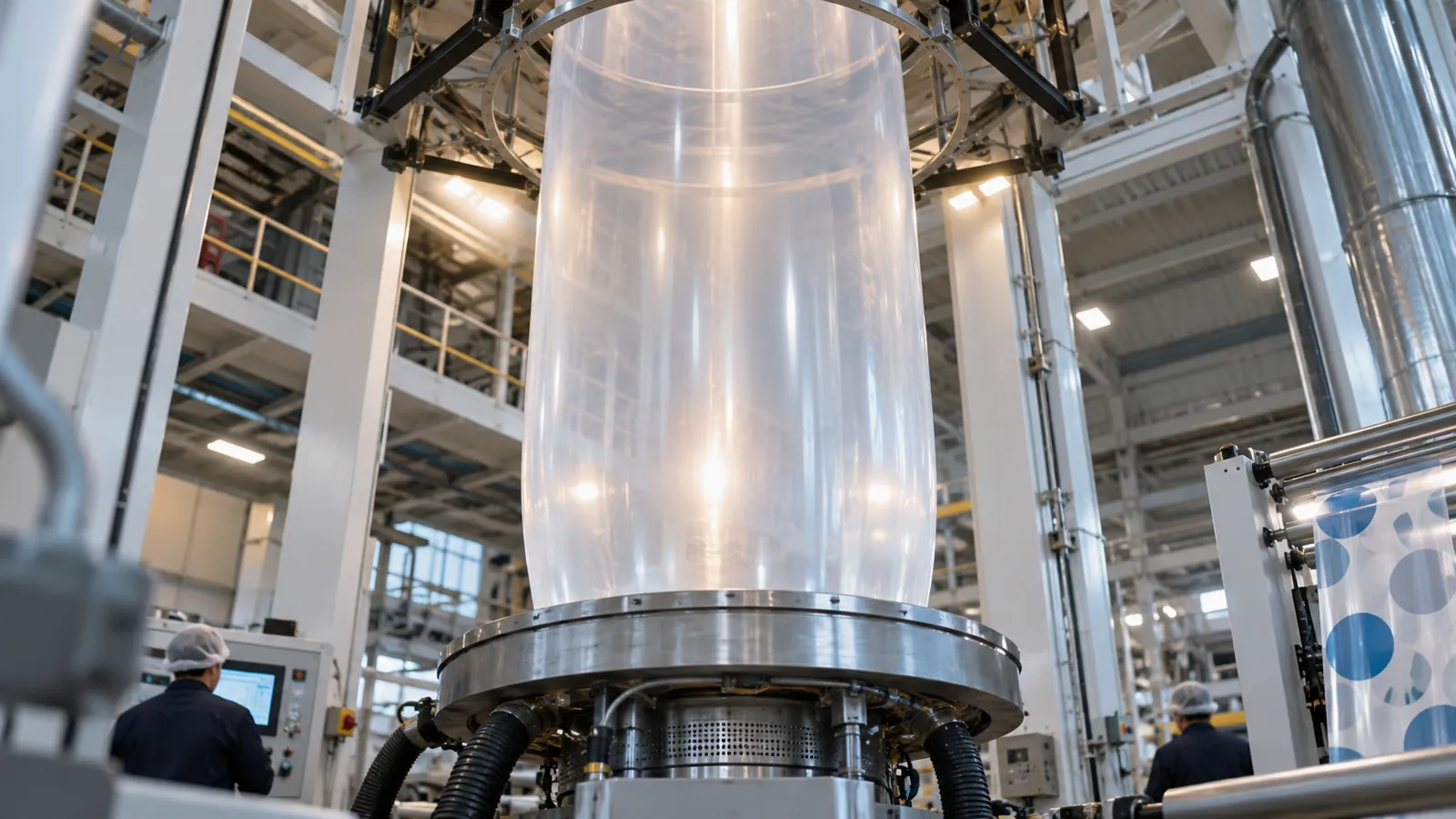
EVOH barrier film adds very high oxygen barrier when dry, but it needs protection from humidity. Learn structures, trade-offs and recycling issues.
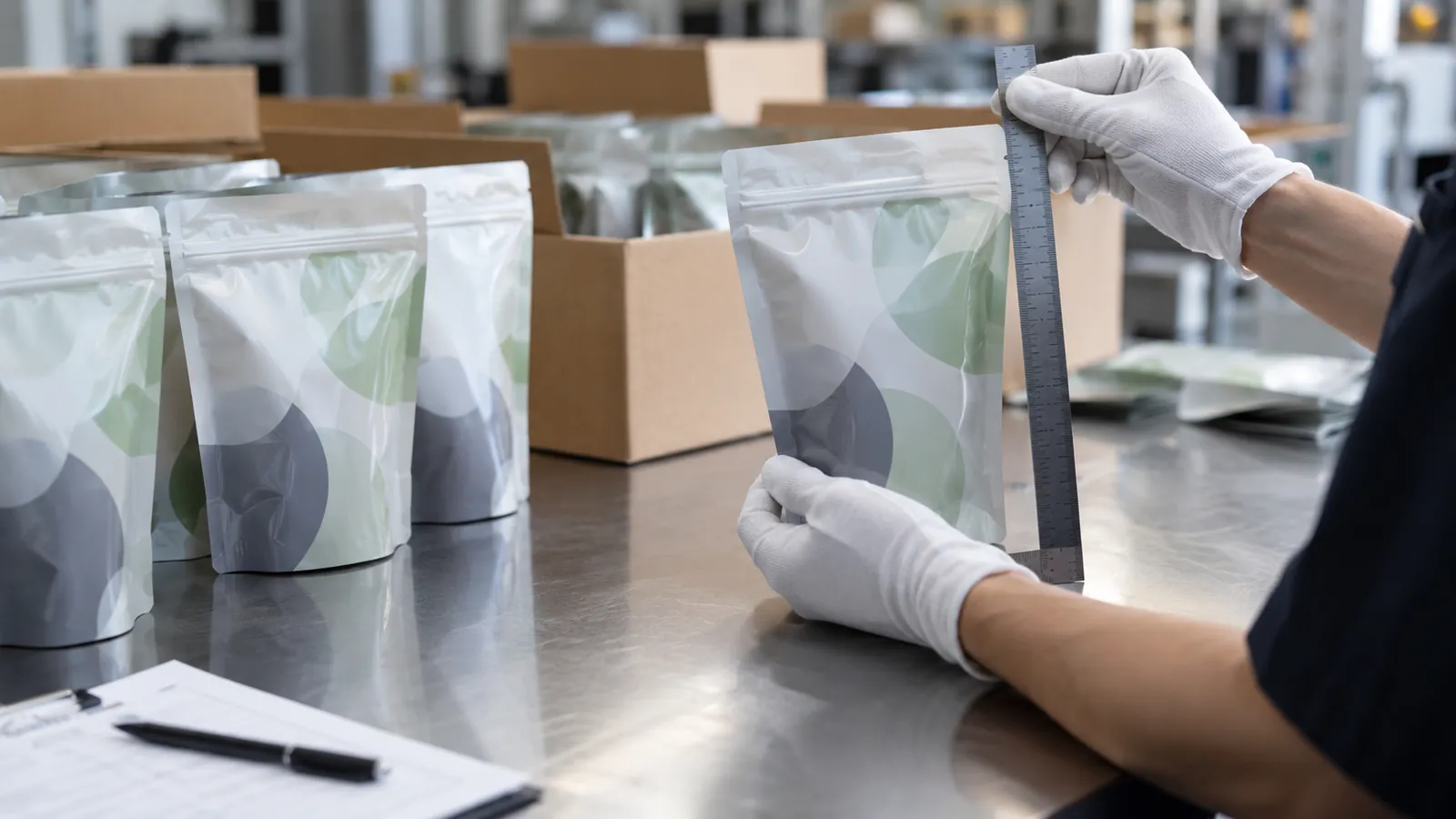
A compact checklist for controlling specification, payment, quality and shipment risk on a first order of printed pouches or rollstock.
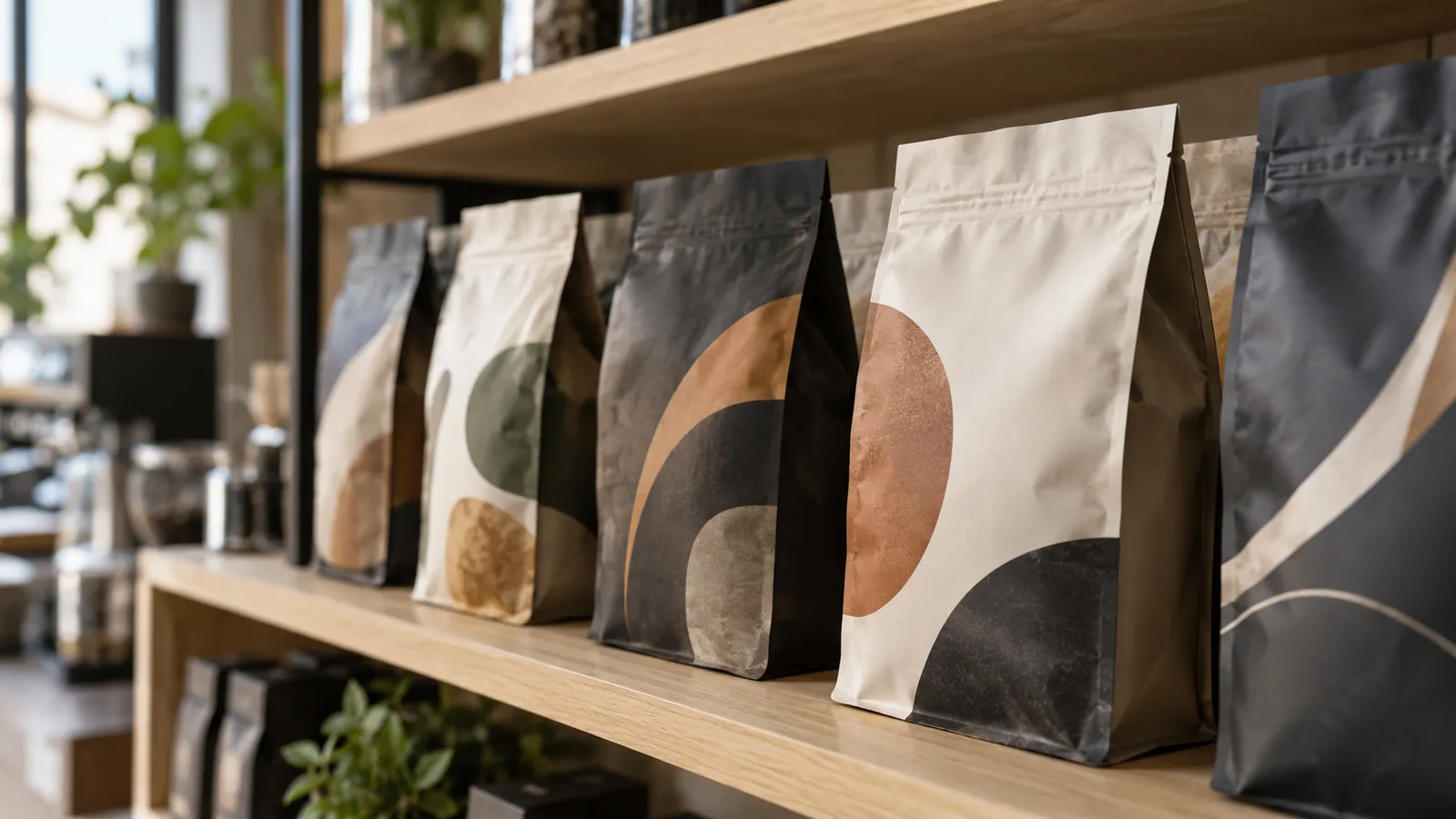
A flat bottom pouch has a rectangular base and two side gussets that make a boxlike, self-standing pack. See construction, features and how it compares.
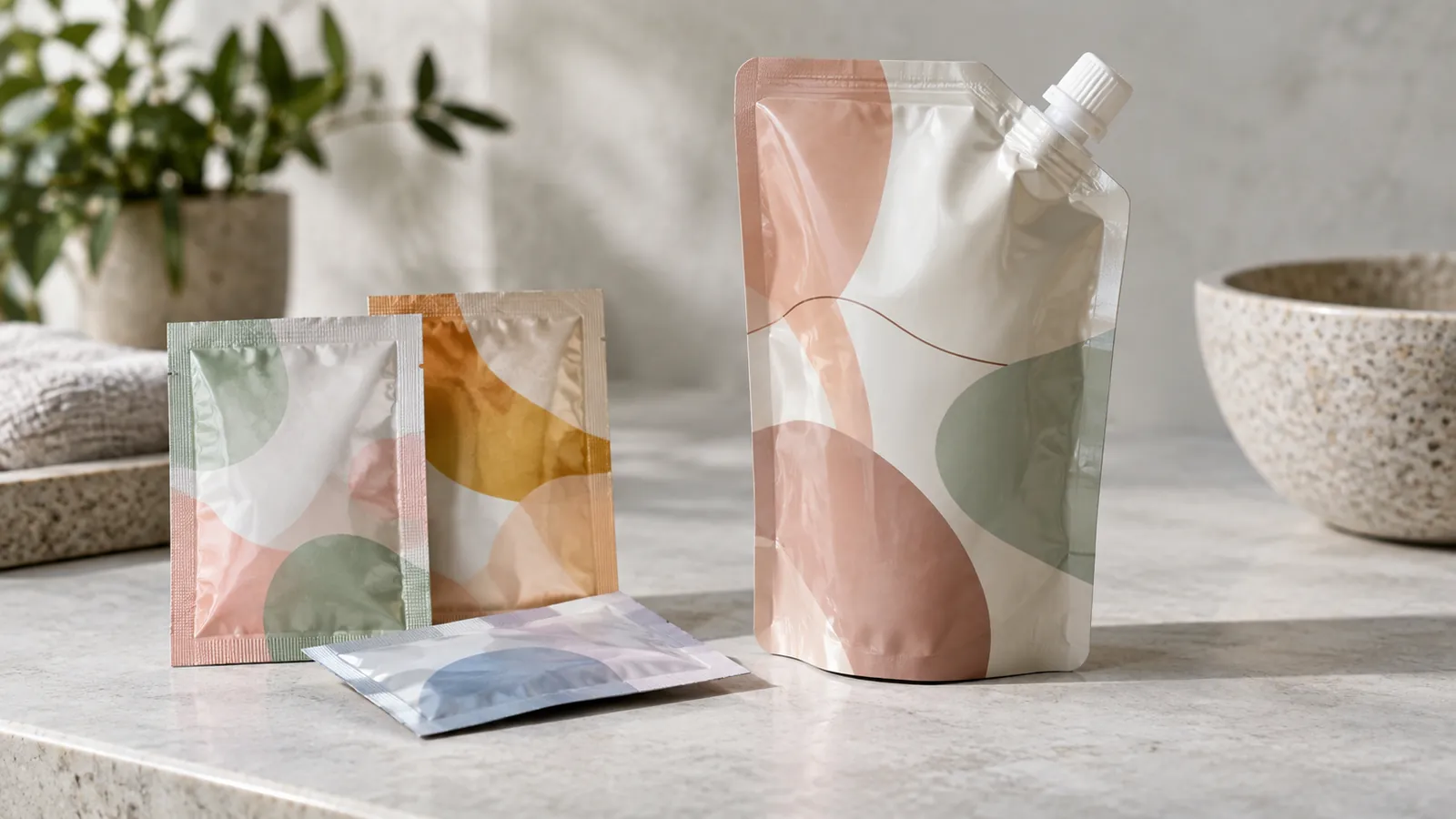
Flexible cosmetic packaging explained: sample sachets, refill pouches, wet-wipe packs, chemical compatibility, premium print and typical structures.
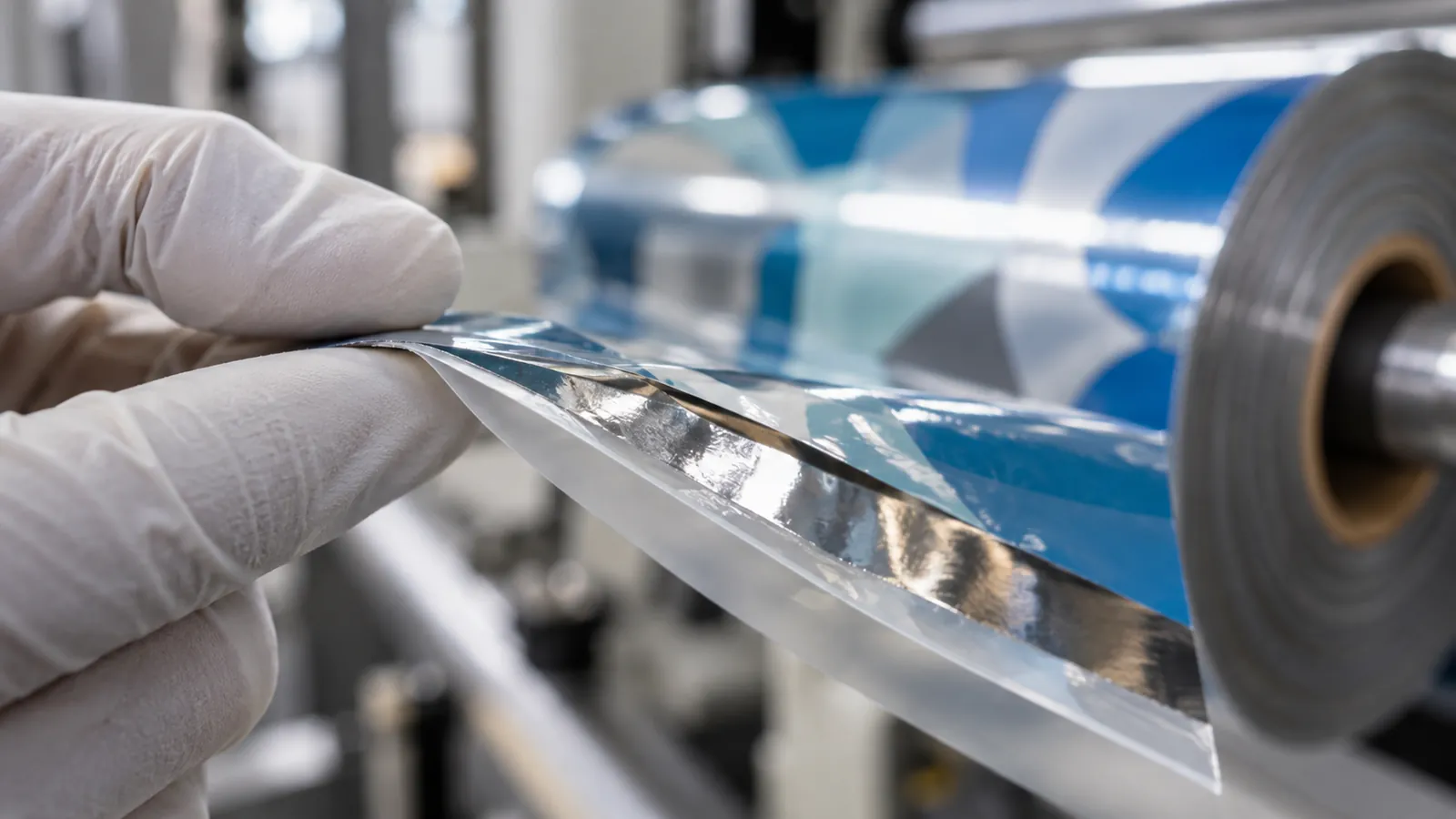
Flexible packaging film is built as monolayer, coextruded or laminated webs. Learn how layers, printing and rollstock affect performance.
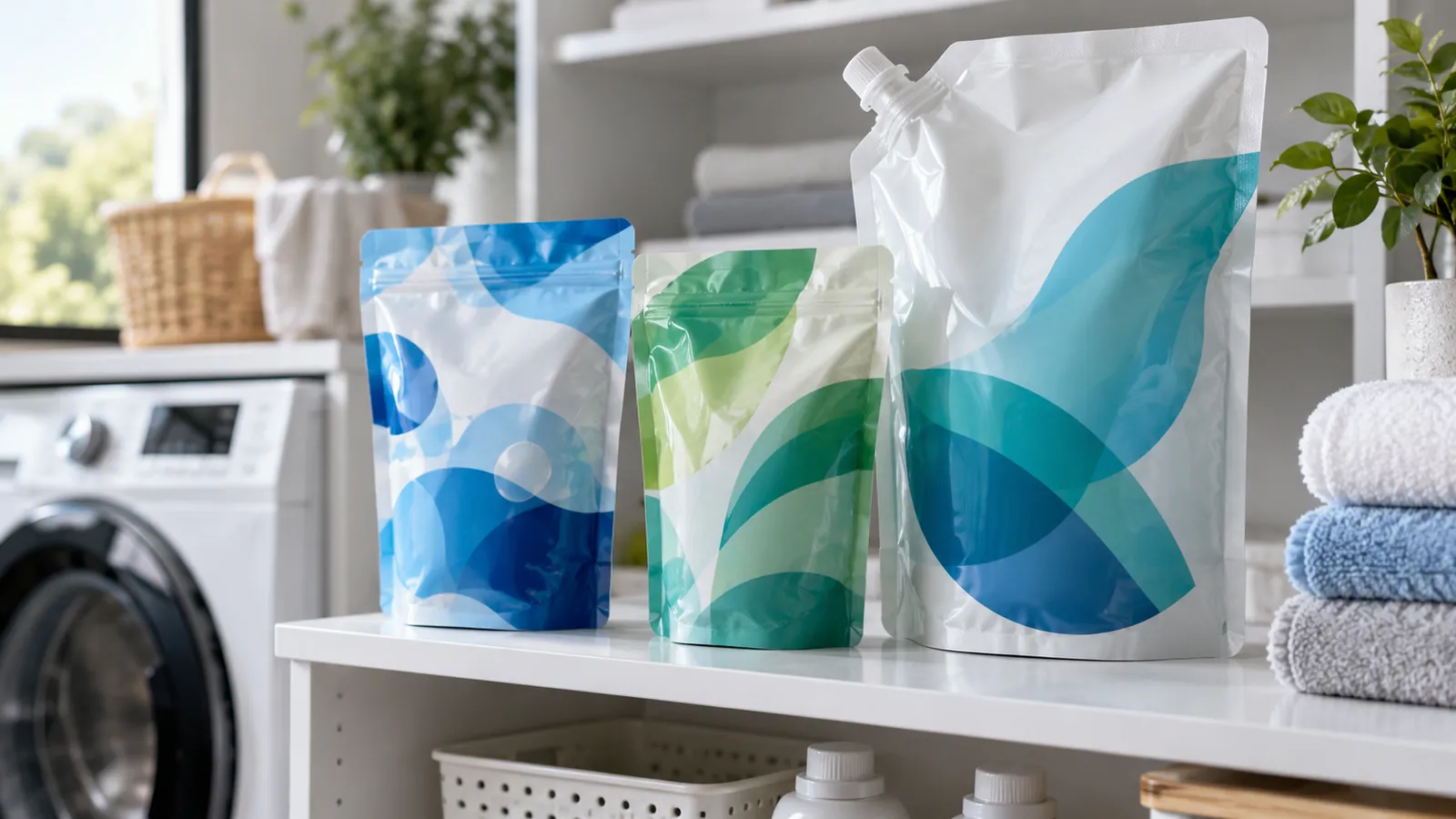
Flexible packaging for household products: detergent pouches, refill pouches and wipes, chemical resistance, stress cracking, drop strength and structures.
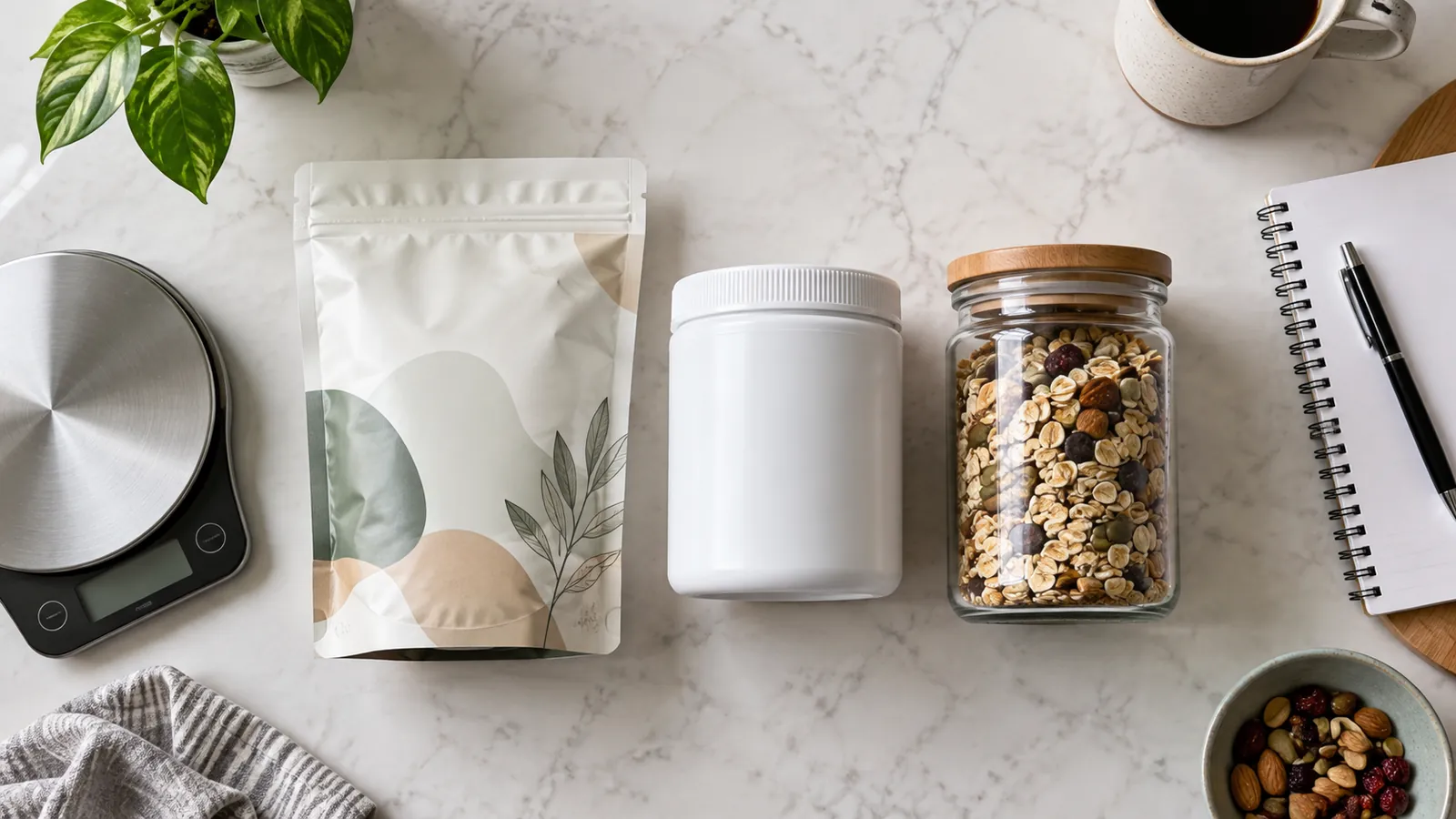
Flexible packaging LCA compares packs across their life cycle. Learn the ISO framework, functional unit, system boundaries and how to question the results.