Flexible Packaging
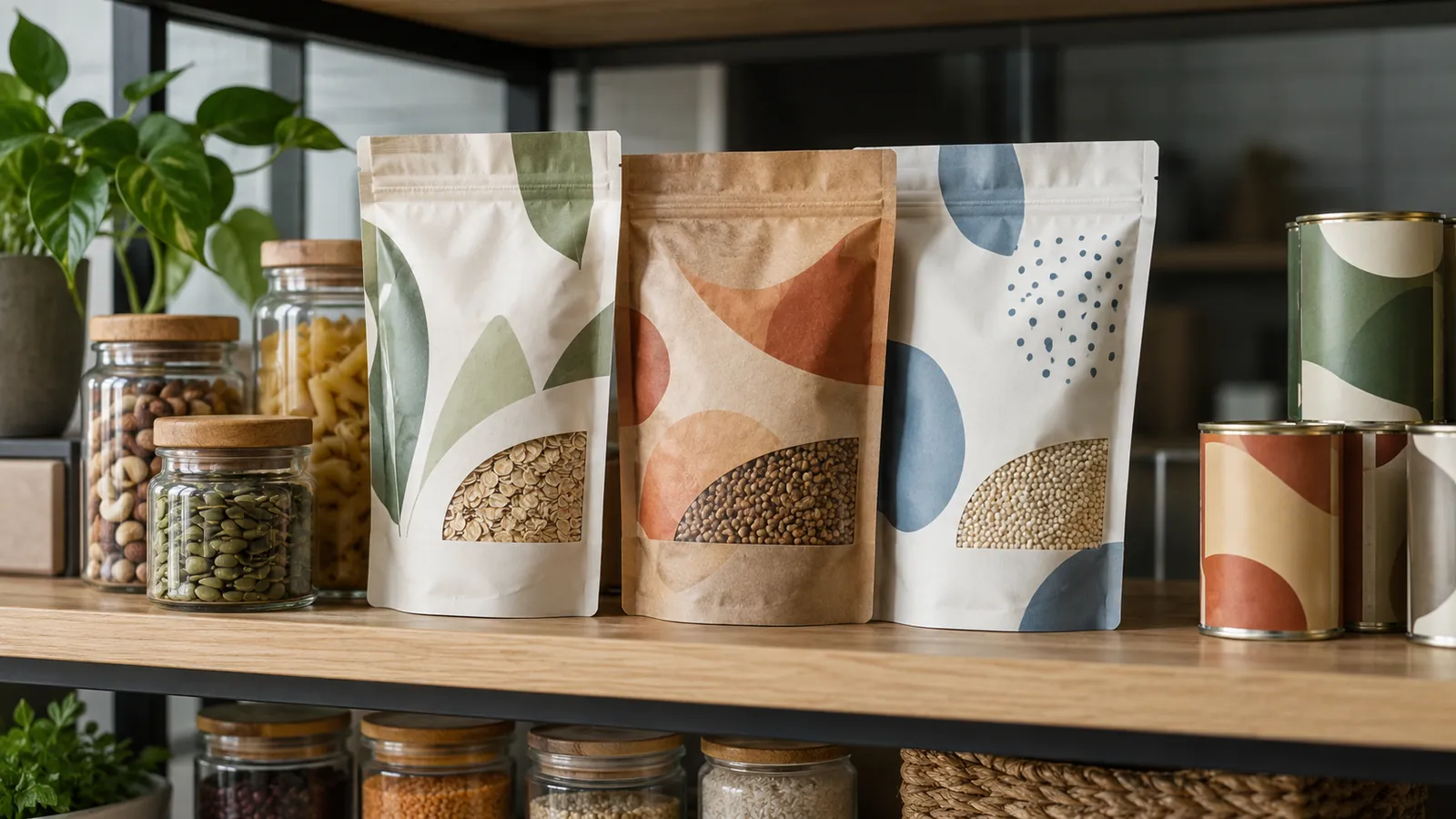
Flexible vs Rigid Packaging: How to Compare Them
Flexible vs rigid packaging compared on material use, transport, protection, shelf impact, filling lines, cost and recycling, plus when rigid still wins.

Complete archive
Page 4 of 10
Flexible vs rigid packaging compared on material use, transport, protection, shelf impact, filling lines, cost and recycling, plus when rigid still wins.
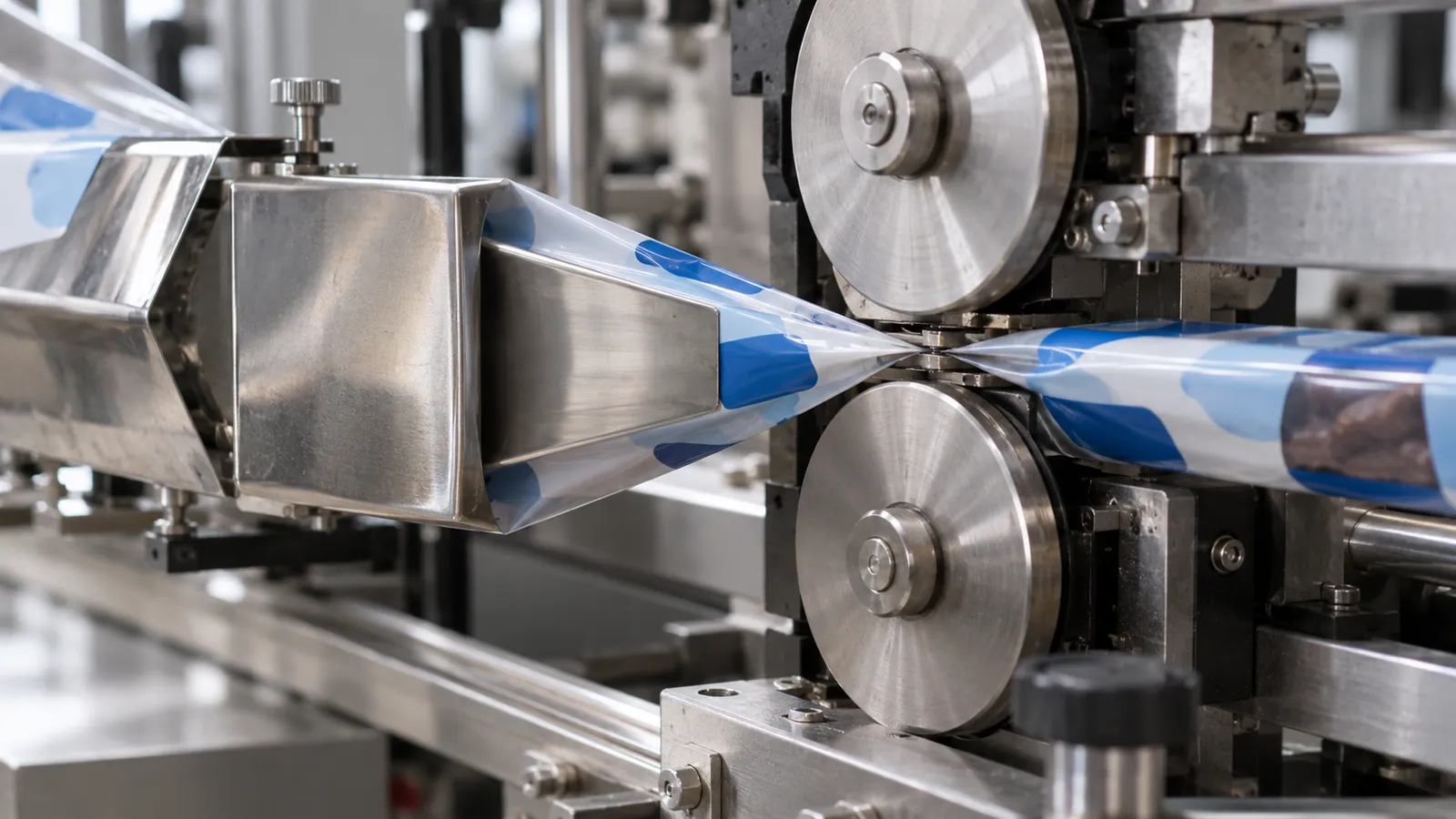
Flow wrap film guide: common structures, cold seal vs heat seal, COF, sealing, registration, tracking and troubleshooting for horizontal flow wrappers.
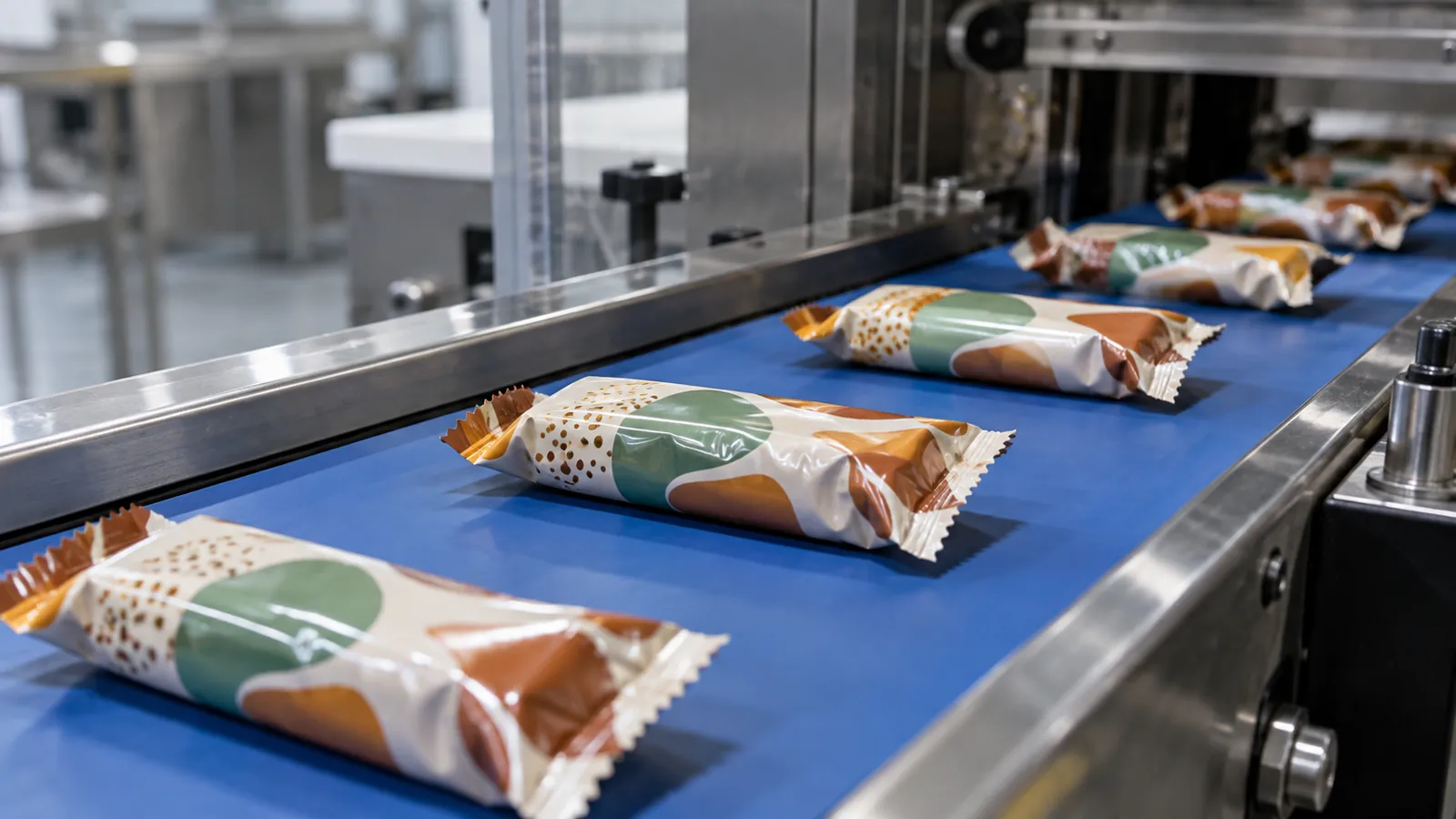
Flow wrap packaging forms a film tube around the product with a fin or lap seal and two end seals. See variants, suitable products and trade-offs.
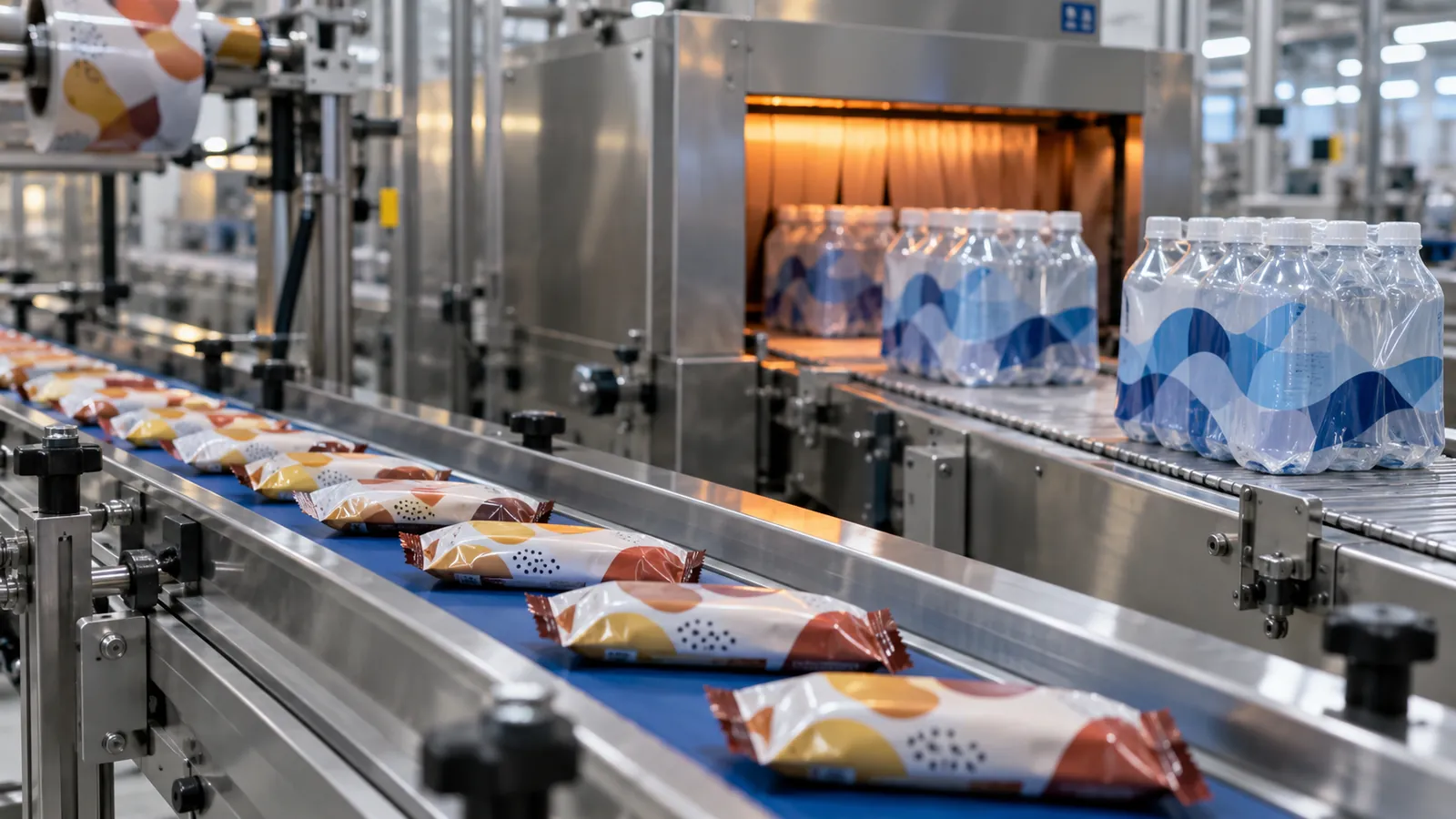
Flow wrap vs shrink wrap compared on product fit, barrier, seals, print, heat and machines, with a checklist to choose the right wrapping format.
Food contact packaging regulations in the US and EU explained for flexible films and laminates: frameworks, migration testing, declarations and supplier questions.
Frozen food packaging film explained: low-temperature toughness, puncture, freezer burn, sealing through frost, ventilated bags, formats and machines.
HDPE packaging film explained: stiffness, moisture barrier, dead-fold and crinkle, uses in liners, bags and MDO-HDPE mono-PE structures, and its limits.
High barrier film keeps oxygen and moisture transmission very low. See common structures, trade-offs, typical products and how to specify one.
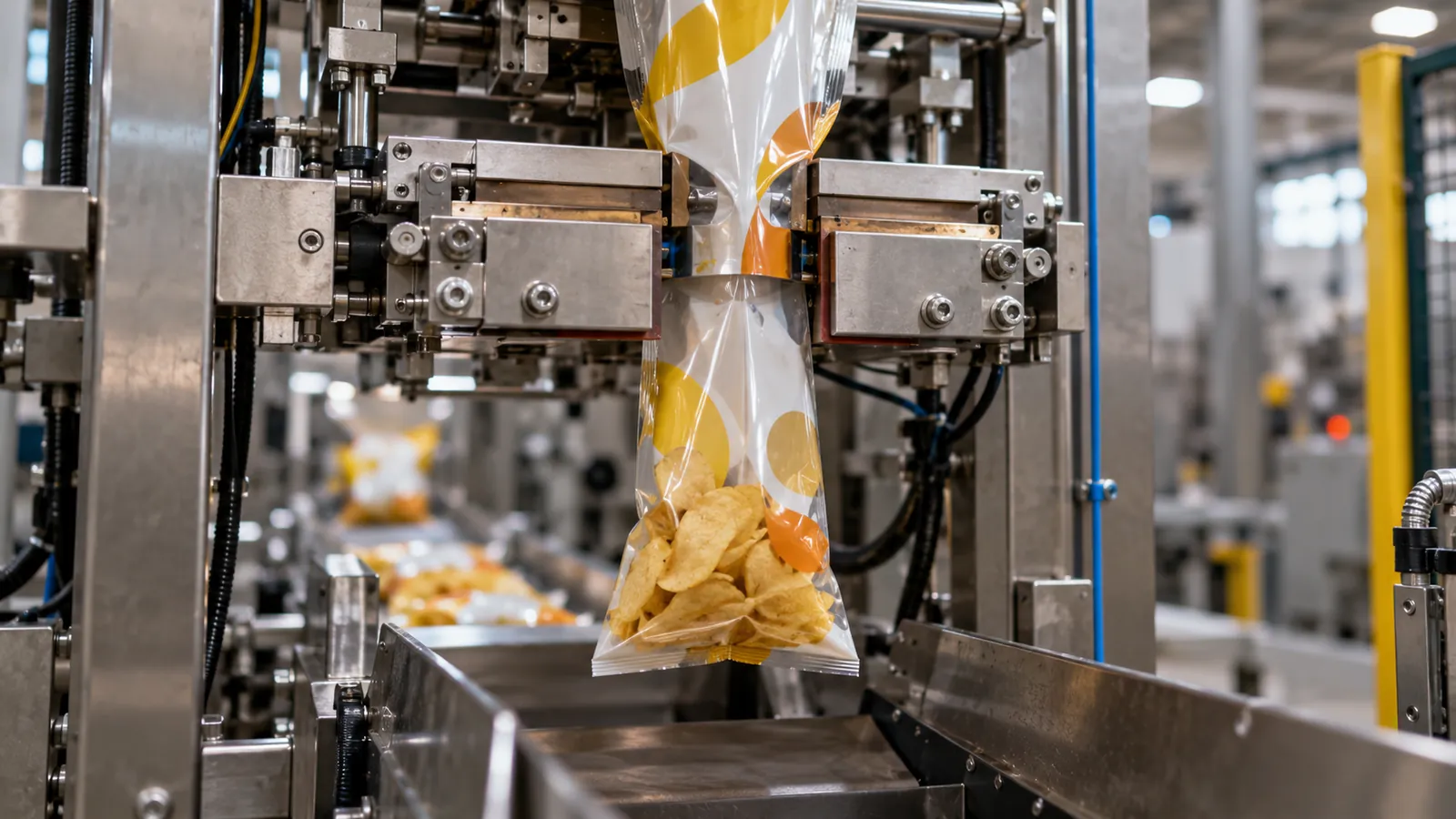
Hot tack packaging performance is the strength of a heat seal while it is still molten. Learn the ASTM F1921 test, the hot tack curve and how it affects VFFS lines.
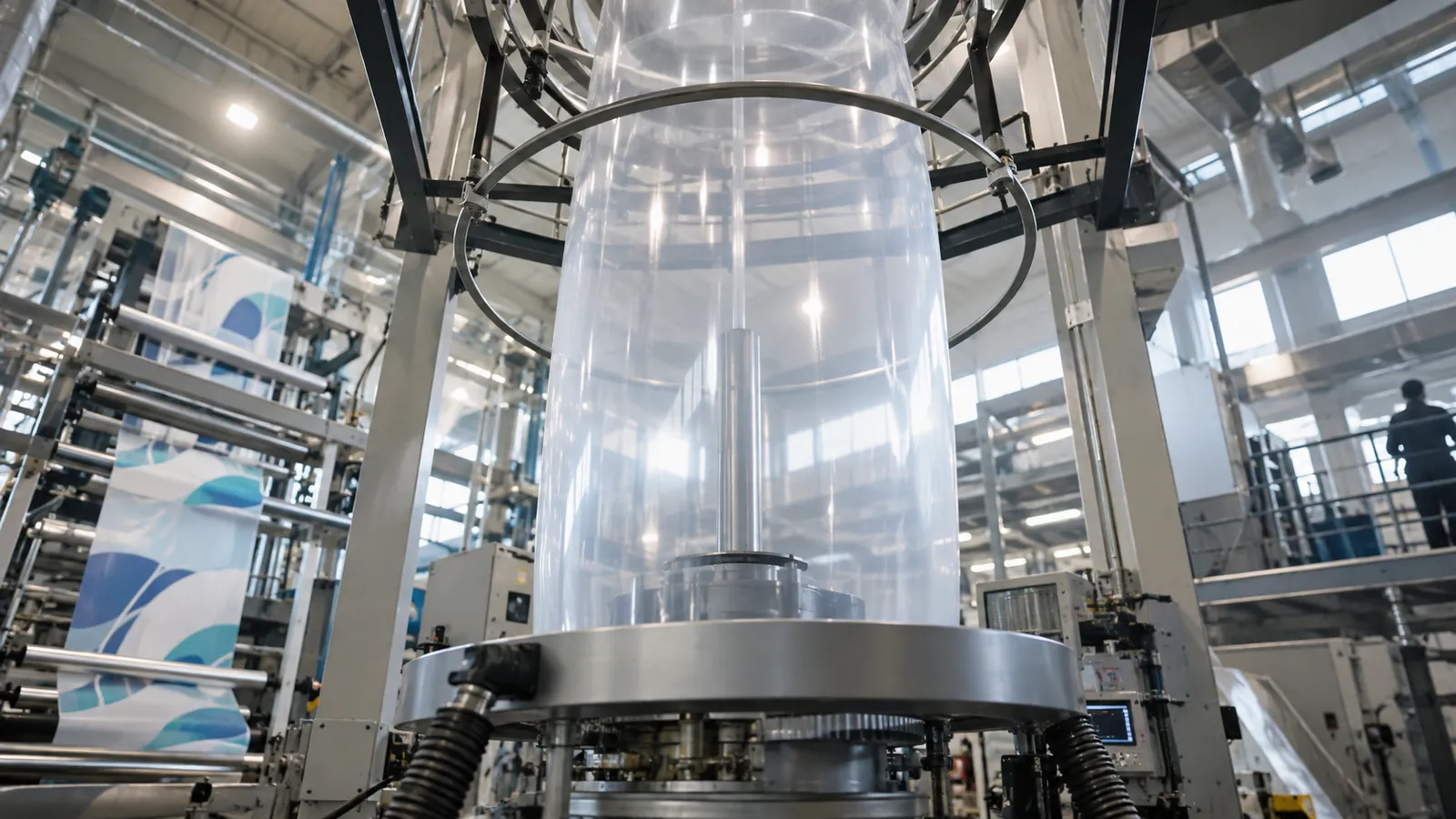
How flexible packaging is made, step by step: extrusion, printing, lamination, coating, slitting, pouch making and the quality checks at each stage.
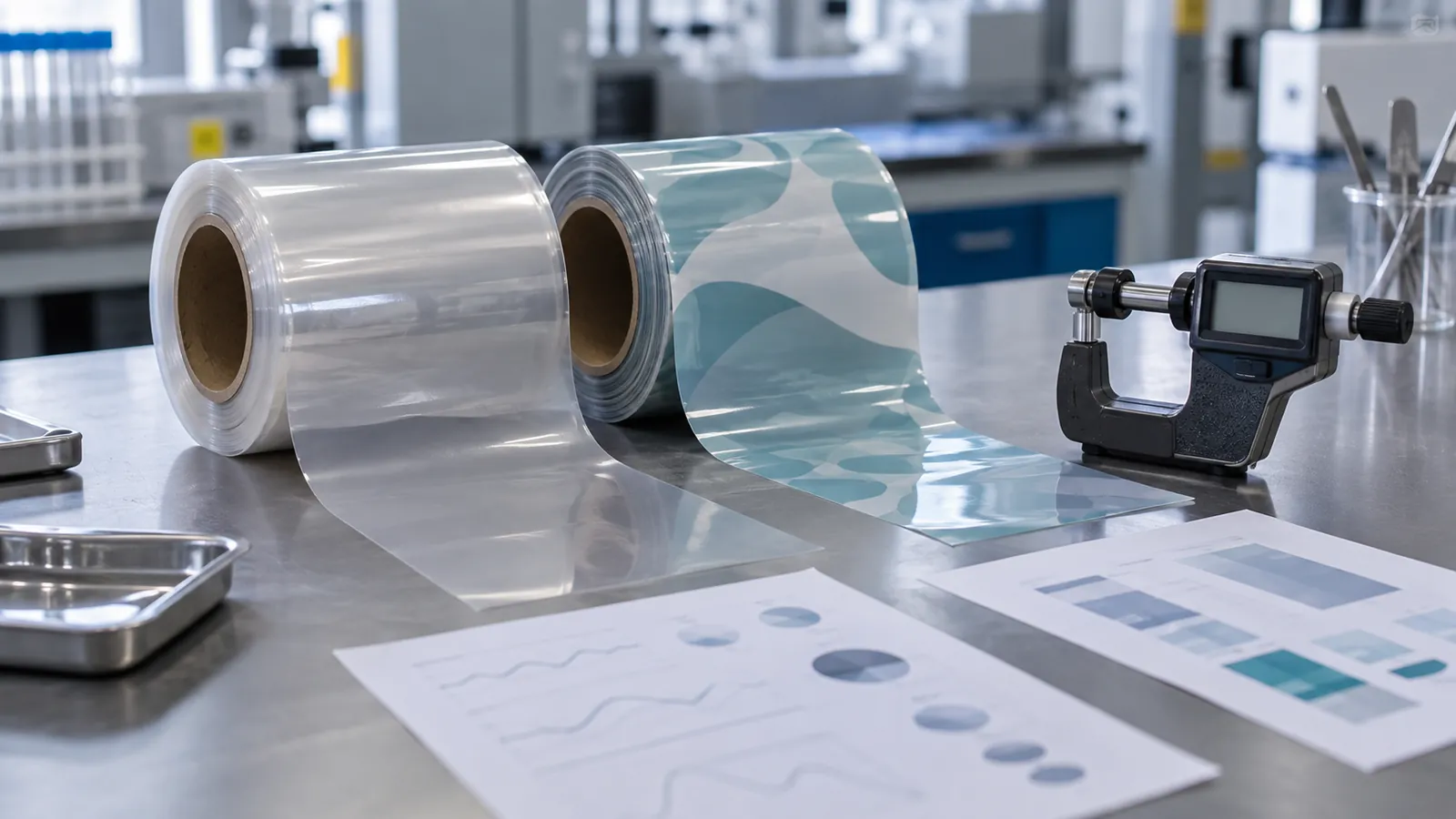
Separate hard requirements from preferences, normalize units and test conditions, and compare the full package before choosing a film.
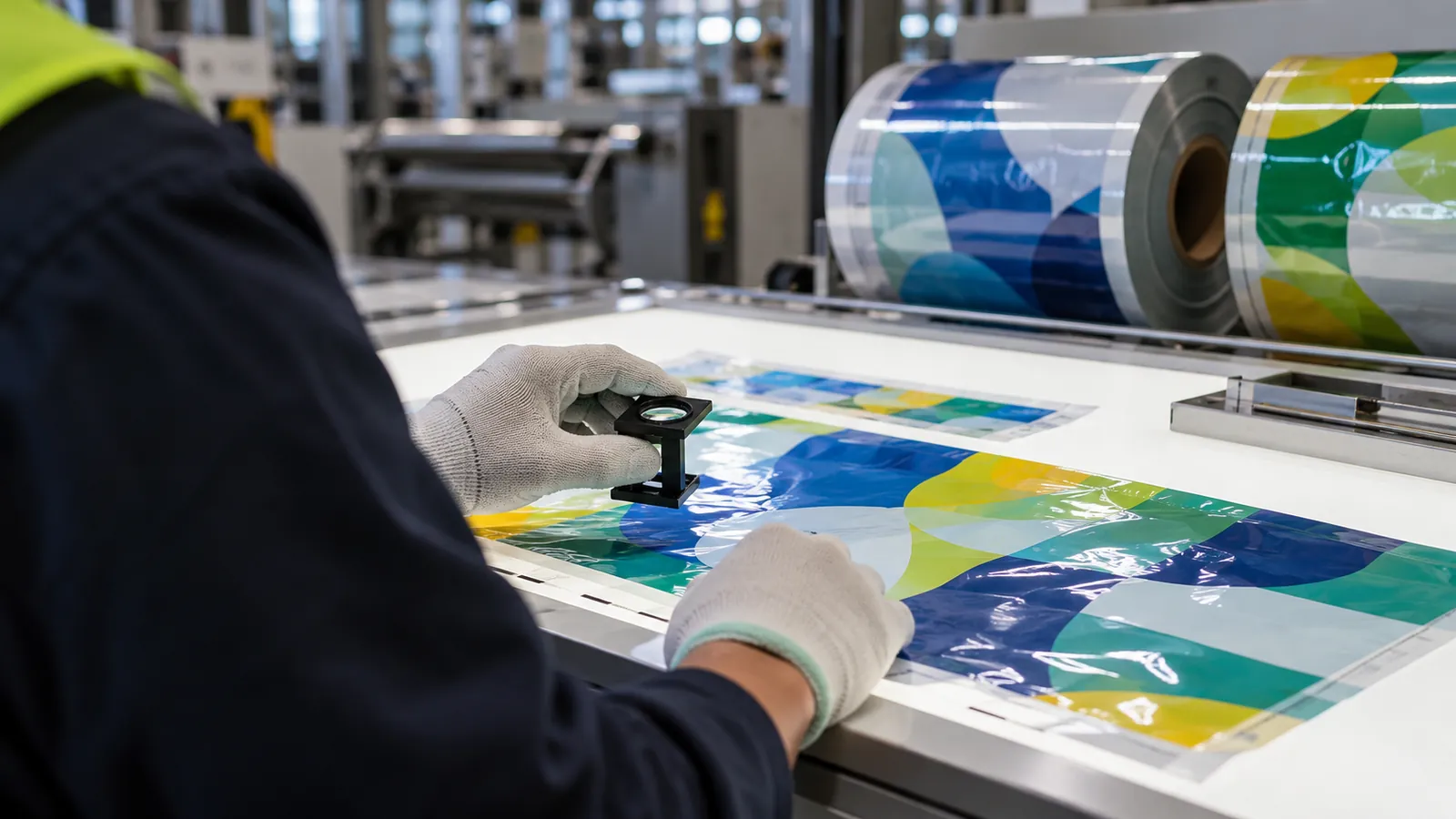
Check printing process, in-house converting, documentation and communication before you place a first order for printed film or pouches.