
Flat Bottom Pouch: Box-Style Pouches Explained
A flat bottom pouch has a rectangular base and two side gussets that make a boxlike, self-standing pack. See construction, features and how it compares.
Assuming the top seal must cross a zipper can lead to the wrong sealing setup. A flat bottom pouch is a flexible bag with a flat, rectangular base and two folded side gussets, so it opens into a box shape; standing depends on the construction and fill. It is also called a box bottom pouch or flat bottom bag. Its squared base and panels can support a tidy shelf presentation, which is why it is common for coffee, pet food and premium snacks.
- Suitable candidate: dry fills needing a rectangular footprint, after filled-pack checks.
- Check before choosing: filler opening, gusset depth and the actual zipper/top-seal drawing.
- Poor fit: a soft or lightly filled sample that slumps under the required shelf or transport conditions.
How a flat bottom pouch is built
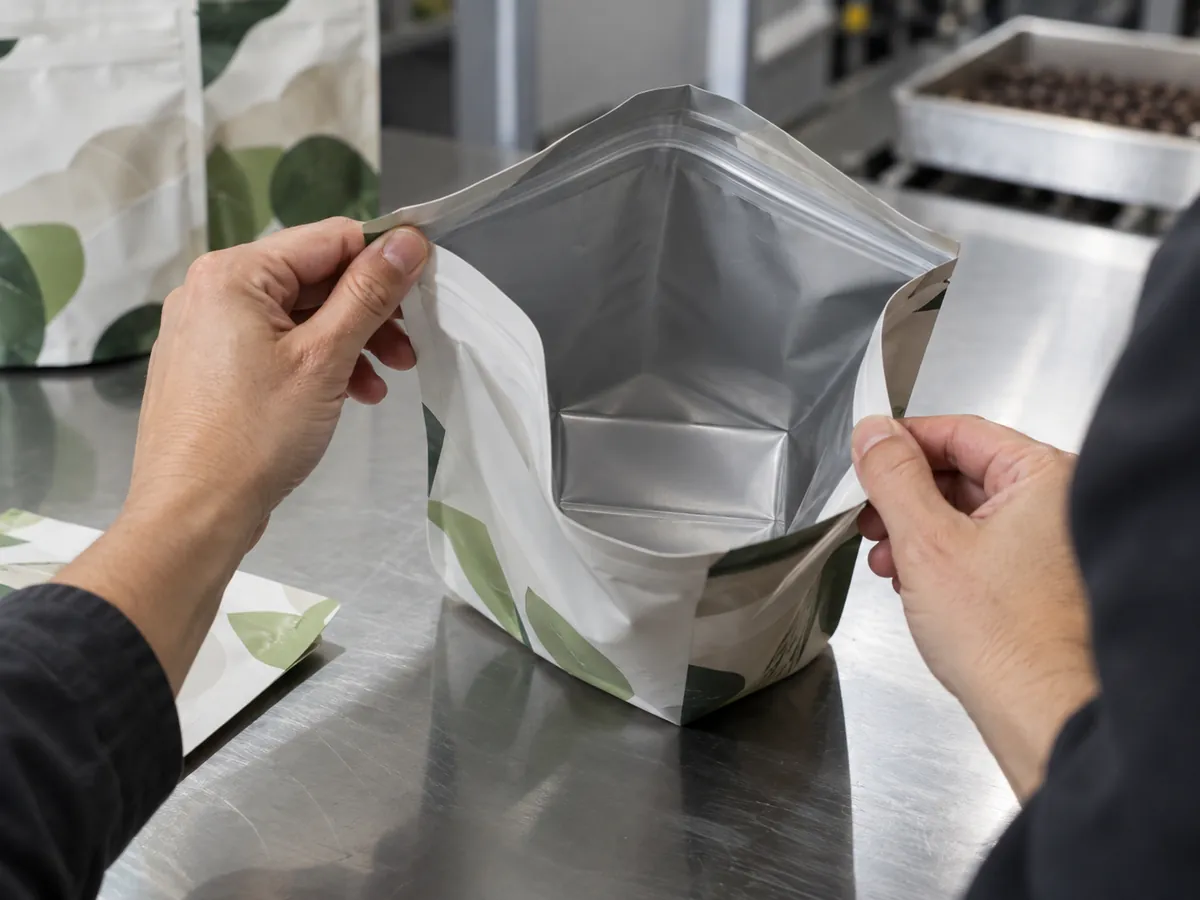
Flat-bottom construction varies. One converter’s public BOX POUCH documentation describes one web for front, base and back and another for the side gussets; this is an example, not a universal back-sealed tube route. That gives five panels you can print on: front, back, left side, right side and the base, although shoppers rarely see the base.
- The front and back panels carry the main graphics and any window. They stay flat because the base and side folds hold them apart.
- The two side gussets fold inward when the pouch is empty and open out when it is filled. They give the pack its depth and let it hold its shape.
- The base is sealed in a pattern that gives a flat footprint, unlike the curved or K-shaped bottom of a stand-up pouch. Some designs use a continuous straight bottom seal plus side seals; others add seals at the gusset corners.
- Vertical side seals run along the front-to-gusset edges. For an open-top design, the final top seal is made after filling; a reclosable zipper is a separate closure feature whose position and end attachments follow the drawing.
The corners are the stress points. Several film layers overlap at the base and gusset fold, so the seal passes through more material and the lamination must stay sealable through those thickness changes.
Takeaway: Ask the converter how the corner seals are built and how they are tested.
Why it stands and stacks well
A rectangular base provides a defined footprint, but standing is not guaranteed. A bag-machine maker’s BOX POUCH illustrations show a specific flat base and folded side gussets; those are design features, not test results for every flat-bottom pouch.
Check a filled, sealed pack at the intended effective volume, product density and remaining-fill condition. Record leaning, base contact and distortion after case packing and the intended distribution trial. Compare alternatives using the same material requirements, effective volume and transport conditions.
A very soft film can still slump.
Takeaway: Laminate stiffness, base geometry and product support decide whether the shape holds; an empty upright sample is insufficient evidence.
Typical products
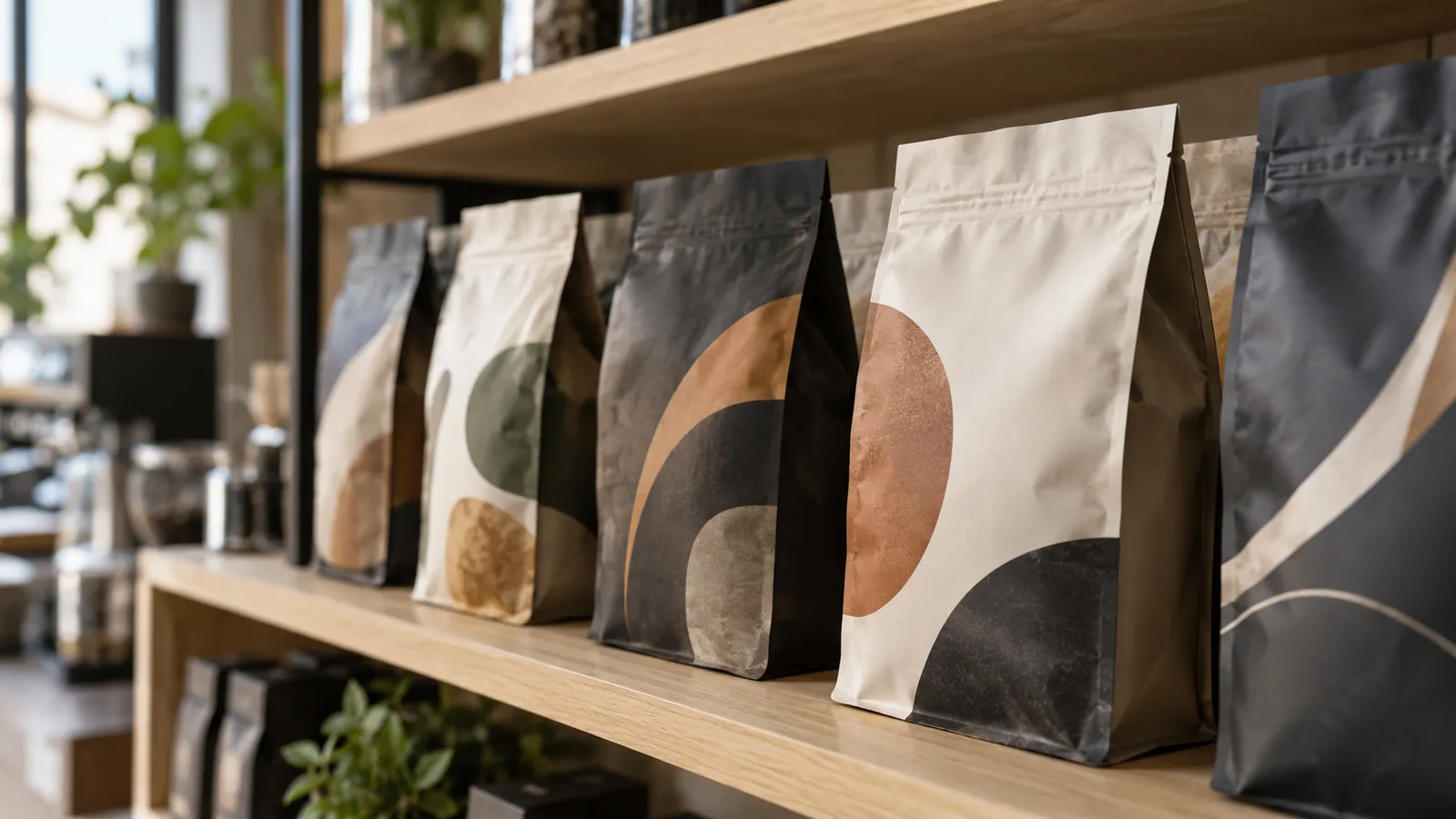
- Coffee, whole bean and ground, often with a one-way degassing valve and a front or pocket zipper. Coffee packaging materials covers barrier choices.
- Pet food and treats. Heavier fills and fat in the product call for puncture resistance and a strong bottom. Related notes are in pet food packaging.
- Premium snacks and granola. The shape suits premium positioning and larger fills, and snack packaging film covers film choices.
- Nuts, dried fruit, tea and protein powders. These dry products benefit from a reclosable pack and a tall, stable shape.
Features you can add
Scroll horizontally to view all columns if needed. ↔
| Feature | What it does | Specification points |
|---|---|---|
| Front zipper | Reclosable opening across the top of the front panel | Zipper profile, distance below the top seal, whether a tear notch sits above it |
| Pocket zipper | Zipper sits inside a pocket formed by an extra film layer, hidden and protected | Pocket depth, extra material, how the pocket is sealed to the pouch |
| Degassing valve | Lets carbon dioxide out of roasted coffee without letting air in | Valve type, position, seal around the valve base |
| Tear notch or laser score | Easy opening | Notch position, score depth, effect on barrier |
| Window | Product visibility | Size, position, barrier of the clear section |
| Hang hole | Peg display | Shape and reinforcement |
Windows, valves and zippers all add leak paths or change the barrier of the finished pack, so confirm shelf life with the real feature in place.
Takeaway: Zipper pouch packaging explains closure types and how zippers are sealed.
Materials and structure
Structure follows the product. A typical dry product might use a printed PET or BOPP outer layer, a barrier layer such as metallized film or a coated layer, and a PE sealant. Coffee often adds a foil or high-barrier layer. The converter has to balance stiffness, which keeps the shape, against the formability needed to make the gusset folds without cracking or creasing. Barrier film covers barrier options and PET film the common outer layer.
For recyclability, mono-material PE and PP structures are being used in flat bottom formats, but the stiffness needed for the box shape may require thicker or oriented layers.
Takeaway: The trade-offs are in mono-material packaging.
Filling considerations
Takeaway: Flat bottom pouches are mostly premade and filled on a pouch filler, so the machine must open a pouch with a wide, squared mouth.
- Opening: the filler opens the pouch with suction cups and grippers. Side gussets can resist opening if the film is stiff or if the pouches arrive in the magazine slightly stuck together. Consistent pouch squareness helps.
- Product in the seal: fine powder, coffee chaff or oil can contaminate the top seal. Dust extraction and a clean pouch mouth reduce this.
- Settling: free-flowing products settle after filling. Tapping or vibration helps the fill sit low so the top seal area stays clean.
- Zipper sealing: in an illustrative open-top layout, the zipper sits below the final top seal; its ends attach near the side seams. Other front or pocket layouts differ. Check whether the actual jaw crosses the profile, an end attachment or only plain film, rather than assuming one route for every pouch. Premade pouch packaging materials explains how the sealant and jaws interact.
- Gas flush: nitrogen flushing is common for coffee and nuts.
Flat bottom vs stand-up vs side gusset
Scroll horizontally to view all columns if needed. ↔
| Flat bottom | Stand-up pouch | Side gusset bag | |
|---|---|---|---|
| Base | Flat, rectangular | Bottom gusset, rounded or K-seal | Usually no standing base; folded flat |
| Printable panels | Five (front, back, two sides, base) | Front and back | Front, back, and gusset sides |
| Standing stability | Check filled base and gussets | Check filled bottom gusset | Check base construction and support |
| Shelf shape | Boxlike | Soft, rounded | Brick-like once filled |
| Cost record | Quote actual structure and conversion | Quote matched effective volume | Quote matched effective volume |
| Typical fill | Dry goods, coffee, pet food | Dry goods, liquids, pastes | Coffee, flour, tea |
The stand-up pouch and side gusset pouch pages cover the other two formats in more detail. No comparable public cost data were found.
Takeaway: Obtain matched quotes at the same effective volume, material performance, order size and shipping conditions; the table makes no cost ranking.
What to settle before ordering a flat bottom pouch
Scroll horizontally to view all columns if needed. ↔
| Item | Value / document | Test record to retain |
|---|---|---|
| Product density and effective volume | Actual fill and dimensioned drawing | Filled height and free top-seal area |
| Barrier with features present | Approved laminate, zipper, valve and window | Finished-pack shelf-life record |
| Base corners and side gussets | Converter construction drawing | Corner strength / integrity result |
| Top seal, zipper and end attachments | Drawing with jaw path marked | Seal settings and failure locations |
| Standing and transport | Intended fill and case arrangement | Slump, drop and case results |
| Filler opening / feeding | Machine and pouch size | Opening failures and usable output |
Takeaway: Work through the first pouch order risk checklist to keep these records tied to the approved sample and lot.
Sources and method
- TOTANI, BOX POUCH seen in photos: manufacturer base/gusset/zipper illustrations.
- Pouch converter, flat-bottom and quad-seal pouches: converter’s two-web box-pouch and fold-over-base examples.
Accessed 8 October 2026. The sketch is an illustrative layout, not a universal seal route. Stability requires filled-pack evaluation; no independently comparable cost dataset was found, so cost ranking has been removed.
Continue reading
Related articles
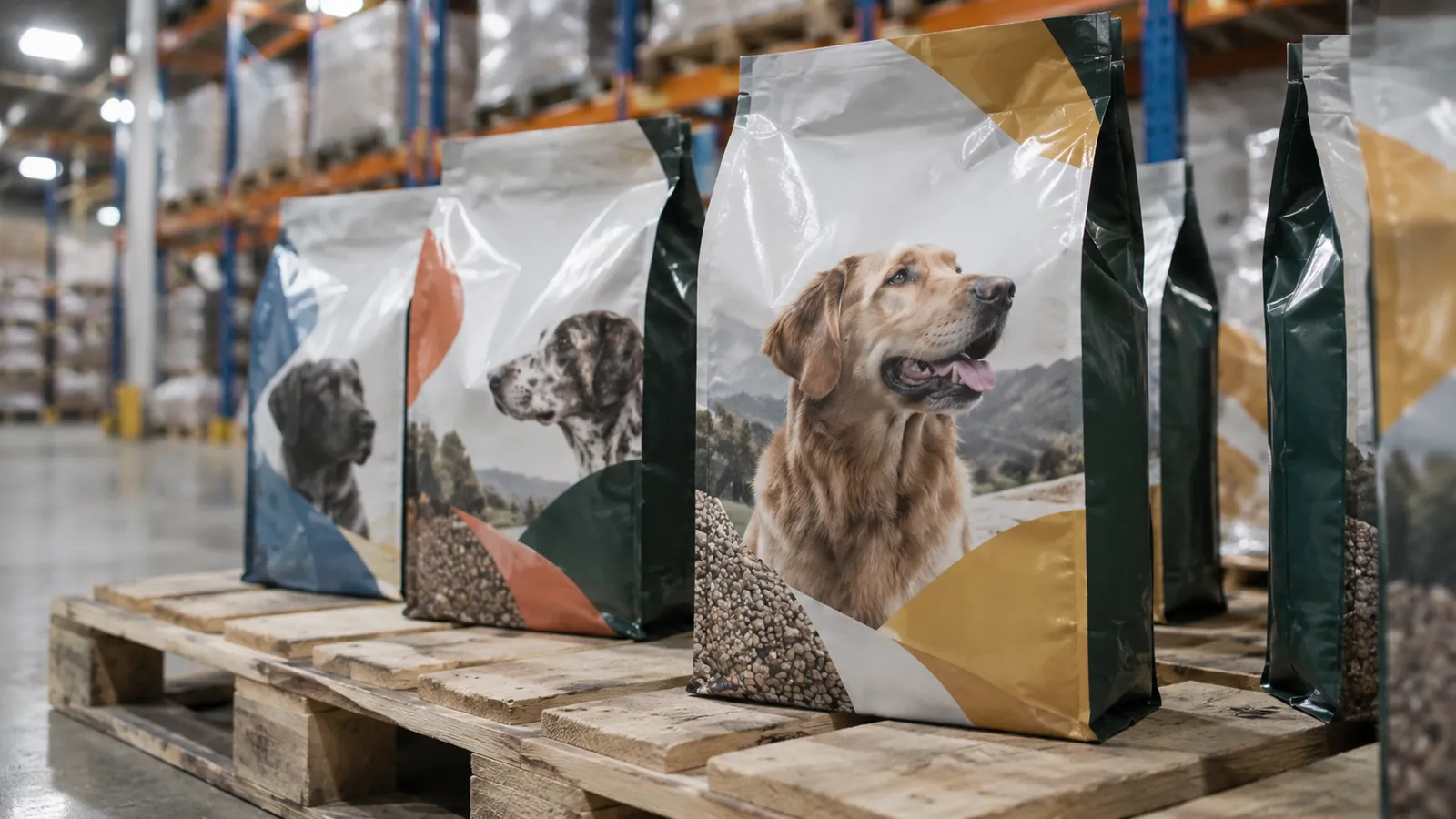
Quad Seal Bag: Four Corner Seals and When to Use Them
A quad seal bag has four vertical corner seals that give a squared, stable shape. Learn how it is made, where it is used and how it compares to side gusset.
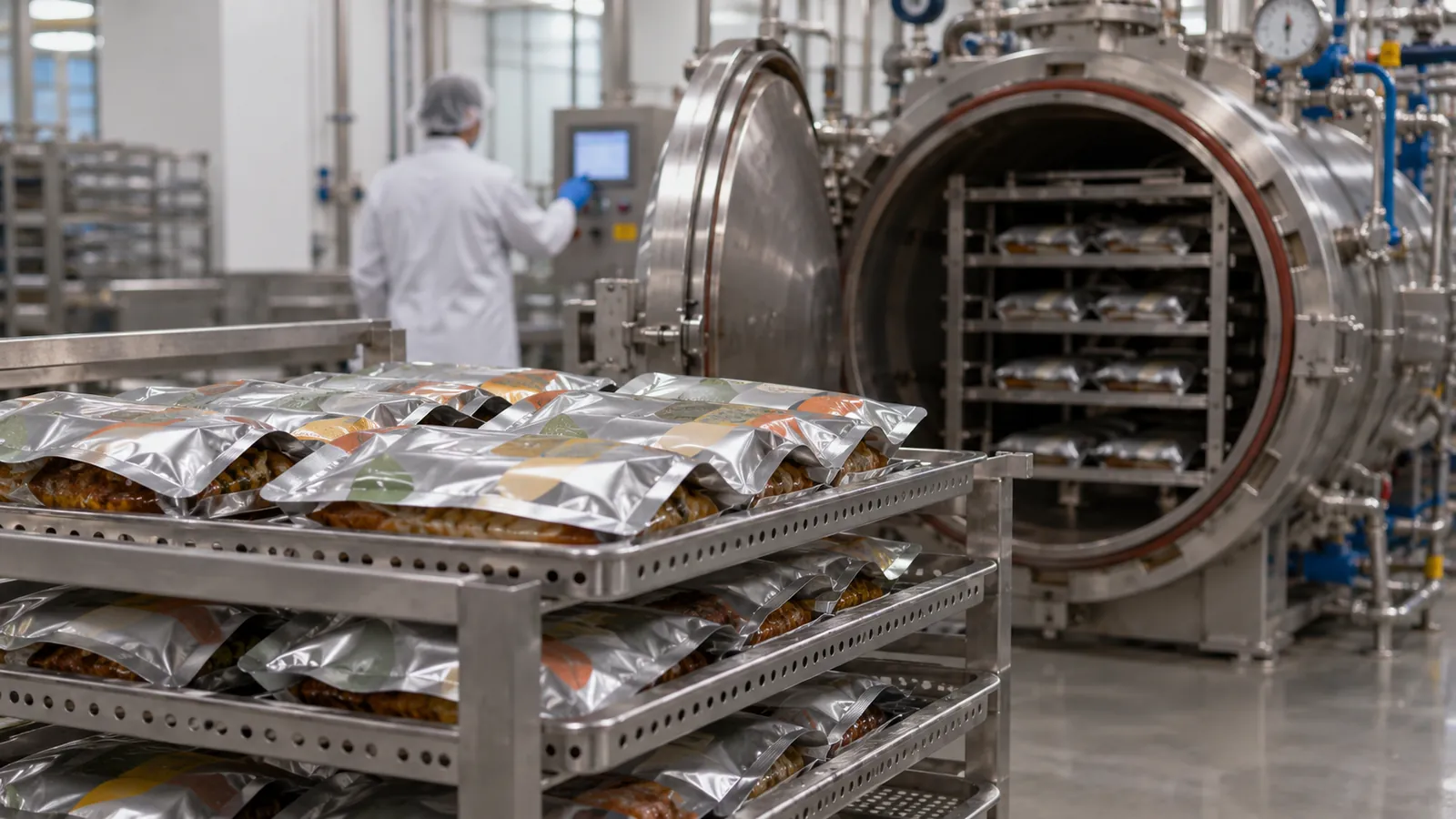
Retort Pouch: Structures, Processing and Uses
A retort pouch is a filled, sealed flexible pack sterilized in a retort. Learn the structures, seal integrity needs, regulations and typical uses.
Rollstock vs Premade Pouches: Which Is Right for Your Line?
Rollstock vs premade pouch compared on material cost, inventory, changeovers, pack quality and features, with a checklist to pick the right supply route.