
Pillow Bag Packaging: The Basic Form Fill Seal Bag
Pillow bag packaging is the simplest bag made on a vertical form fill seal machine: one back seal, two end seals, and a pillow-shaped pack.
A bag/film mismatch can interrupt feeding or leave the back seal open. A pillow bag is formed from a single web of film wrapped around a forming tube, sealed down the back, and sealed across the top and bottom. Filled, the bag swells into a pillow shape. It is the default format on vertical form fill seal (VFFS) machines for products that can be filled through a tube. It is also called a pillow pouch or pillow pack bag.
- Suitable: loose products that tolerate the intended drop and settling conditions.
- Unsuitable without further checks: shelf-standing requirements or fragile items harmed by that drop.
- Variants: side gussets change geometry; a block-bottom former adds a distinct base. Test each filled configuration.
How a pillow bag is made
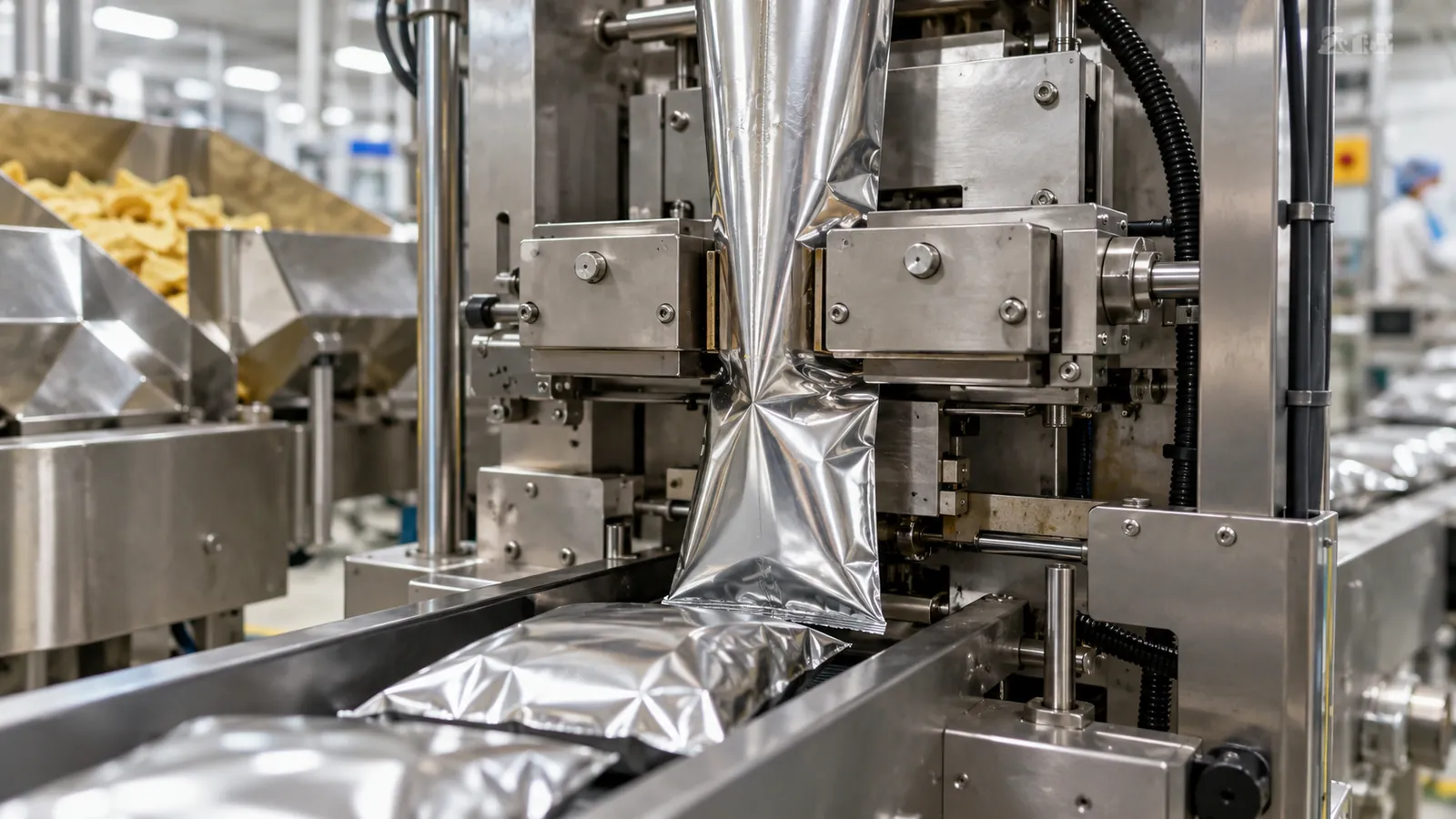
A roll of film is pulled over a forming collar and tube. The edges are brought together and sealed along the length of the tube to create the back seal. A pair of cross-seal jaws then clamps the film, seals it to form the bottom of the bag, and often cuts the seal in the middle so it also forms the top of the next bag. The product drops through the tube into the bag, and the jaws close again for the top seal.
Two back-seal styles are common:
- A fin seal joins the inner surfaces of the film face to face, leaving a fin that sticks out from the back of the bag. This is the most common style and needs a heat-sealable inner layer only.
- A lap seal overlaps the outer surface over the inner surface. The back of the bag lies flatter and uses a little less film, but the film must seal outside to inside, which limits the structures you can use.
Film selection, sealing windows and machine settings are covered in VFFS packaging film.
Takeaway: This page stays at the format level.
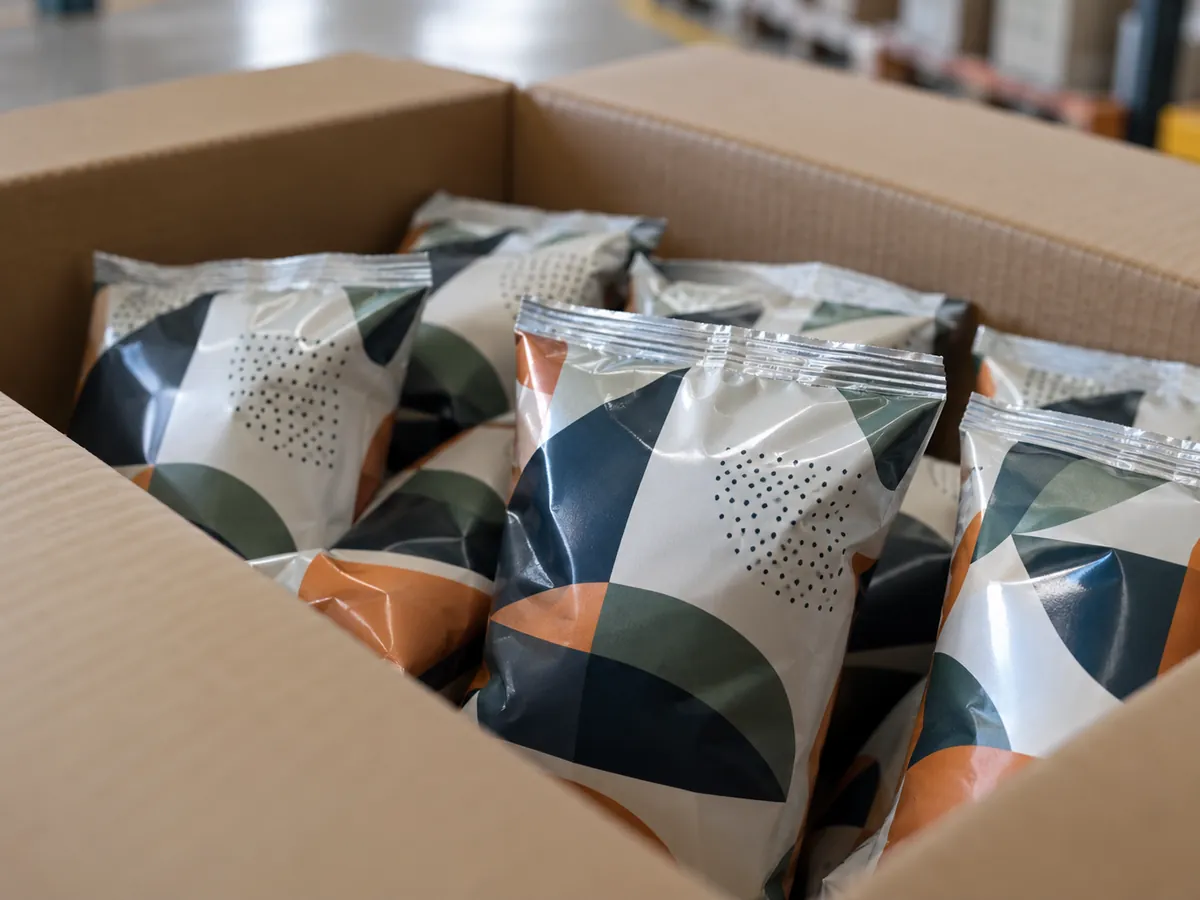
What goes in a pillow bag
Takeaway: Pillow bags suit products that flow or can be dropped through a tube with some accuracy.
- Snacks such as chips, extruded snacks, popcorn and nuts. Metallized or high-barrier structures protect against oxygen, light and moisture; see snack packaging film.
- Frozen vegetables and fruit. Select a film grade for the cold chain, then validate the finished bag. A PE name alone establishes no carrying capacity: record film thickness, bag dimensions, seal construction, product mass and edges, conditioning temperature and the agreed drop-test conditions. See frozen food packaging.
- Candy, rice, pasta, sugar, flour and pet treats; see candy packaging for confectionery.
- Hardware and small parts such as screws, fasteners and fittings, usually in a plain PE film.
- Powders and granules, with an auger filler and suitable film, though dust in the seal area needs attention.
Pillow bag variants
The basic bag can be modified without changing the machine type.
Gusseted pillow bag
Forming plates fold the side walls inward before the cross seals are made. Side gussets redistribute the same web into front, back and folded side walls; they do not automatically increase capacity at the same web width. Compare actual developed width, seal allowance, tube circumference, finished width/depth/length and filled shape. A comparison at the same front-panel width may use a different web circumference. Whether it stands depends on the filled base and product support; ordinary side gussets are not a block-bottom base.
Block bottom bag from a VFFS machine
With special forming tools and extra seals, some VFFS machines can make a bag with a flatter, squarer base. It is closer to a flat bottom pouch in appearance, but it is still formed from a roll on the machine, so it has no zipper unless a special unit adds one.
Hole punch and hanging features
A punch can add a euro slot or a round hole in the top seal so the bag hangs on a retail peg. This is common for hardware, small toys and candy. Place the hole in a header clear of the continuous product-containing seal. The drawing must state the remaining material between hole and closure; no universal safety distance is supplied here. Check hanging load and closure integrity after punching.
Easy-open features
Laser scoring, tear notches or an easy-peel sealant layer can make the bag simpler to open. Laser scoring creates a controlled weak path without a visible cut, but it can affect barrier, so verify the finished pack.
Takeaway: Resealable zippers are possible on some machines with an applicator, though a premade zipper pouch is usually the simpler route.
Strengths and limits
On the plus side:
- The pack is made from a web rather than a premade bag; compare total material and running cost for the actual configuration.
- Record usable output with product settling, film pulling and seal cooling included.
- Confirm the former, tube and setup changes needed for the intended size range.
- Many structures work, from monolayer PE to metallized laminates.
On the minus side:
- Pillow bags do not stand upright on a shelf. They lie flat or lean against other packs.
- Printing area is partly used by the back seal and the top and bottom seals.
- Fragile products may need an air cushion, which reduces shelf efficiency.
- Fin seals can look less polished than premade pouches with a wide print panel.
- Features such as spouts, windows and zippers are harder to add than on premade formats.
Pillow bag vs stand-up pouch vs flow wrap
The three formats are easy to confuse, so the table sets out the differences.
Scroll horizontally to view all columns if needed. ↔
| Feature | Pillow bag (VFFS) | Stand-up pouch | Flow wrap (HFFS) |
|---|---|---|---|
| How it is made | Formed vertically from a roll, filled by gravity | Premade or made on a form-fill-seal line | Formed horizontally from a roll, product pushed in |
| Back seal | Fin or lap, down the back | Side or bottom seals | Fin or lap, along the bottom or back |
| Typical products | Loose snacks, frozen vegetables, granules, powders | Liquids, sauces, pet food, ready meals | Solid single items: bars, biscuits, bakery, medical items |
| Stands upright | Ordinary pillow: no designed standing base; side-gusset and block-bottom variants need separate checks | Depends on base, film and fill | No designed standing base |
| Zipper option | Limited | Common | Limited |
| Cost comparison | Record matched fill, film and yield | Record matched fill, film and yield | Record matched fill, film and yield |
Horizontal machines that wrap individual solid items are covered in flow wrap packaging and flow wrap film.
Takeaway: The stand-up pouch page shows where that format makes more sense.
Films used for pillow bags
The film must run well on the former and seal in a short dwell time. Common structures include:
- Monolayer or coextruded PE for frozen foods, hardware and bulk dry goods.
- BOPP or BOPP/CPP laminates, often metallized, for snacks and confectionery (BOPP film lists the properties).
- PET-based laminates with a PE sealant where a stiffer, more heat-resistant outer layer is needed.
- Mono-material PE or PP structures where recyclability is a target (mono-material packaging covers the trade-offs).
Slip, coefficient of friction and seal initiation temperature strongly affect how a film behaves on a VFFS machine. Seal-through-contamination performance matters for powders and oily snacks.
Takeaway: Confirm values with the supplier’s data sheet.
Steps for specifying a pillow bag
- Check the product. If it is free-flowing, can be dropped from a height and is not damaged by falling into the bag, a pillow bag is a good fit.
- Define the barrier. Estimate how much oxygen and moisture the product can tolerate over its shelf life. OTR and WVTR numbers depend on test temperature and humidity, so compare values measured under the same conditions (oxygen transmission rate explains the measurement).
- Pick the back seal. Fin seal for flexibility in film choice, lap seal for a flatter back or less film.
- Decide the size range. Bag width is set by the film width and forming tube, so a limited number of widths cover most products.
- Plan features. Gussets, a hole, a tear notch or a zipper each add cost and constraints.
- Trial on the real machine. Sealing through dust, oil or powder, and cooling time after the seal, only show up in a run.
Takeaway: If you need a premade bag with a flat base and print panel, use a stand-up pouch or a flat bottom pouch instead.
Sources and method
- Equipment manufacturer, bag-styles guide, June 2016: manufacturer pillow, eurohole, gusseted and block-bottom illustrations; used for shape distinctions only.
- Equipment manufacturer, flow-wrapper brochure: manufacturer fin-wheel/hole-punch example, not a universal header clearance or carrying load.
Accessed 8 October 2026. The schematic locates features; actual clearances, capacity and drop conditions require the approved bag drawing and trial. No universal load value is retained.
Continue reading
Related articles
Quad Seal Bag: Four Corner Seals and When to Use Them
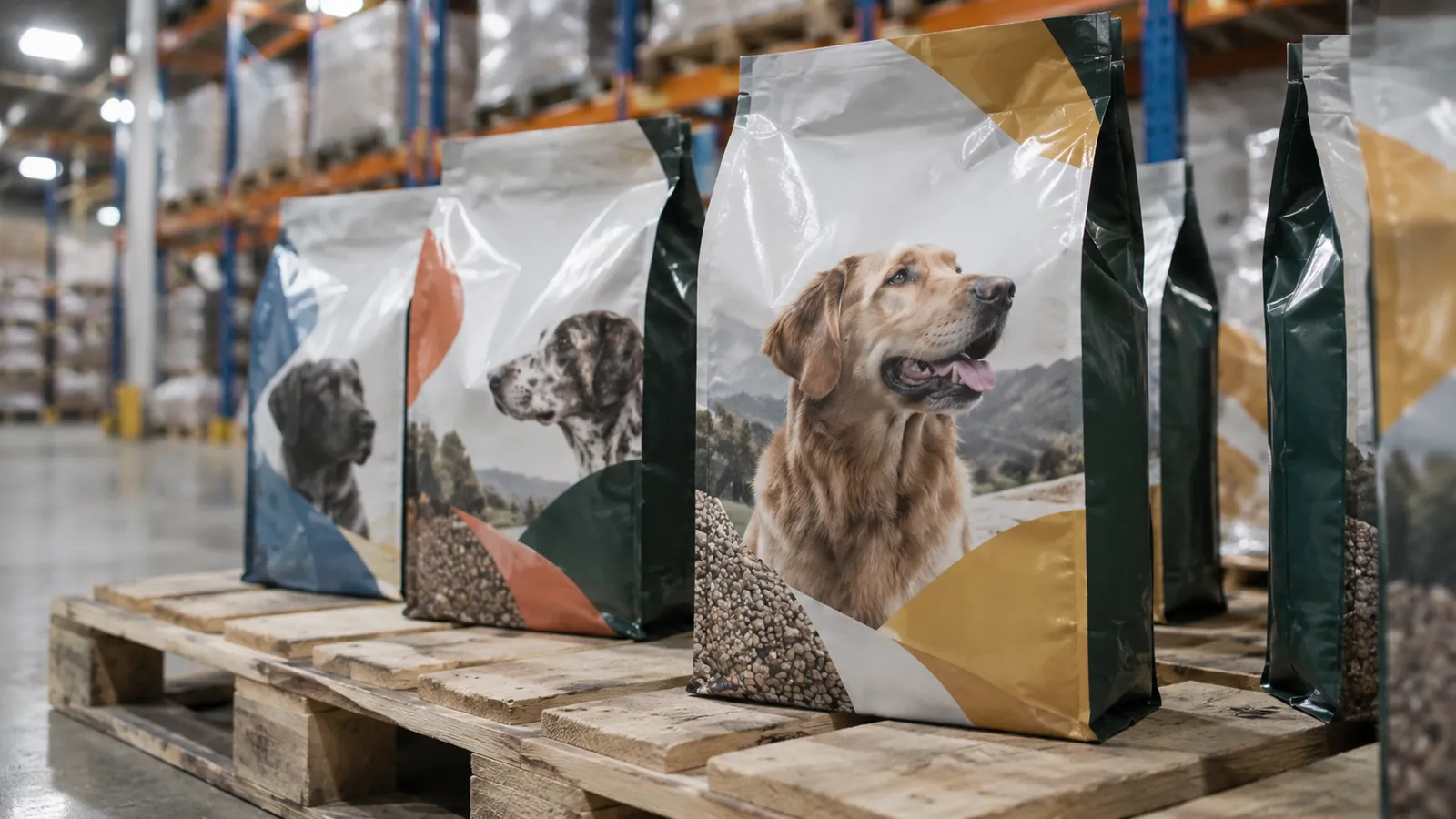
A quad seal bag has four vertical corner seals that give a squared, stable shape. Learn how it is made, where it is used and how it compares to side gusset.
Side Gusset Pouch: Structure, Uses and Features
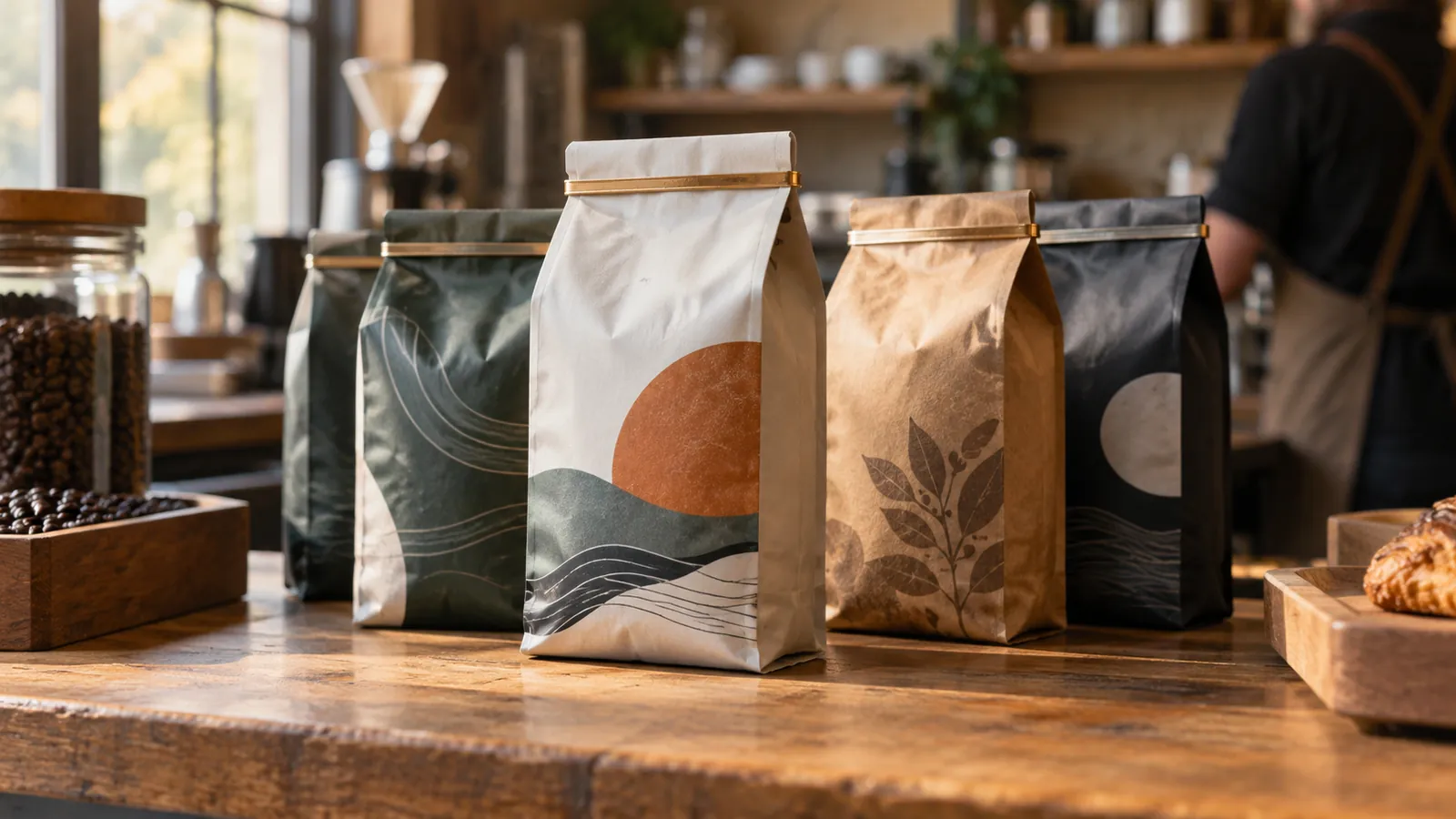
A side gusset pouch has fold-in side panels that expand when filled. Learn back seal options, uses, tin ties, valves and how it compares to flat bottom.
Flat Bottom Pouch: Box-Style Pouches Explained
A flat bottom pouch has a rectangular base and two side gussets that make a boxlike, self-standing pack. See construction, features and how it compares.