
Shrink Wrap Packaging: Overwraps, Bundles and Sleeves
Shrink wrap packaging uses heat-shrinkable film to wrap a product or group of products tightly; here are the main formats and what each suits.
Heat exposure can damage a product that cannot tolerate the shrink process. In shrink wrap packaging, a heat-shrinkable plastic film is placed around a product, then heated so the film contracts and conforms to the shape beneath it. It is used to overwrap single items, bundle multipacks, make full-body labels and tamper bands, and hold loads on pallets. This page covers the formats and when to use each. Film chemistry is covered in shrink film, and machine behavior in shrink wrapping film.
Scroll horizontally to view all columns if needed. ↔
| Purpose | Format | Heat-sensitive check |
|---|---|---|
| Protect one item | Retail overwrap | Product and primary pack after exposure ___ |
| Group units | Tray/film or film-only bundle | Unit deformation and bundle retention ___ |
| Label a container | Full-body sleeve | Container distortion and sleeve removal ___ |
| Show opening | Neck band | Closure function and relevant product rules ___ |
| Protect a pallet | Shrink hood | Load/outer-pack heat tolerance ___ |
How shrink wrap packaging works
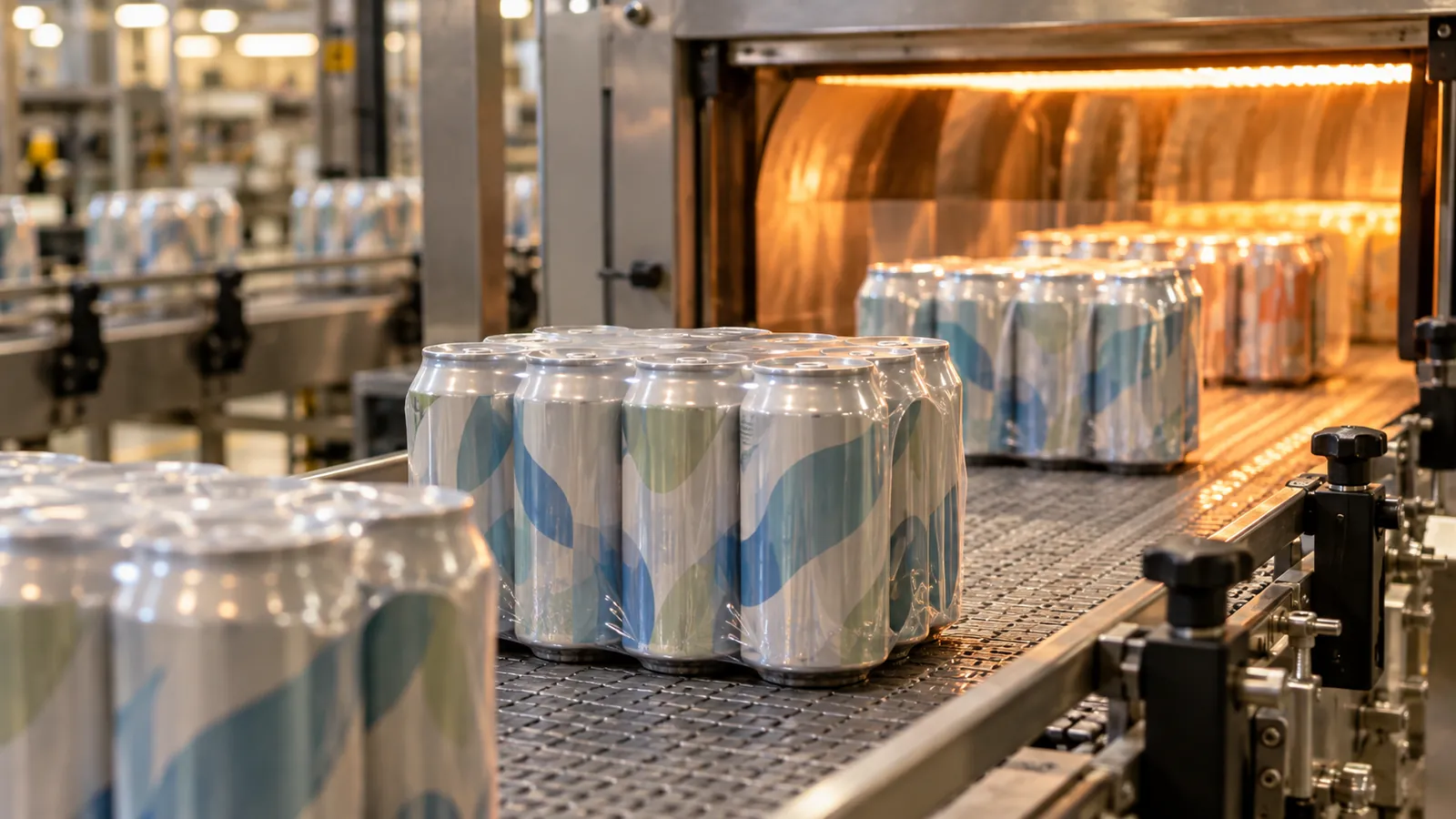
Shrink films are stretched during manufacture, which locks stress into the polymer. When the film is heated above a threshold, that stress is released and the film pulls back toward its original size. Packers use this in three steps: wrap or sleeve the product loosely, seal the film, then pass the pack through a heat tunnel or use a heat gun.
Two details matter at the format level. First, the film does not shrink evenly in every direction unless it is designed to. Many films shrink more in one direction than the other, so the format has to match. Second, the amount of shrink needed depends on the product shape: a flat box needs little, while a bottle with a shoulder needs much more.
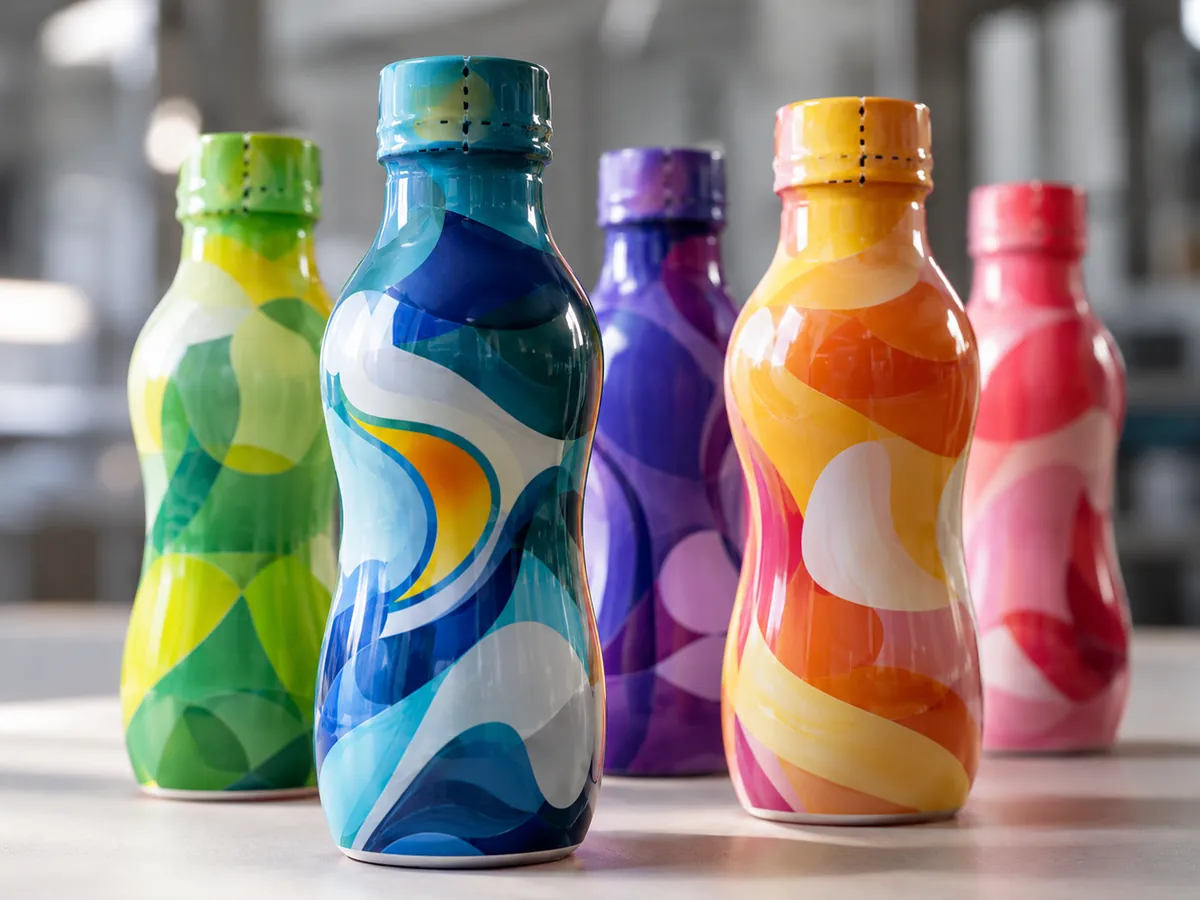
Main shrink wrap formats
Retail overwraps
A single film web is formed around the product, sealed on the bottom or the side, and shrunk. The result is a clear, tight skin that protects a boxed item from dust, scuffs and tampering. It is common for cartons, DVDs and video games, board games, books, stationery and boxed foods. The product stays visible and protected without extra printing.
Multipack bundles
Shrink film holds several units together: cans, bottles, jars, yogurt cups, cartons of dairy. Bundles come in two main styles:
- Tray and film: units sit in a corrugated or paperboard tray, and film is shrunk over both. This gives stable stacking and a cleaner printed panel, at the cost of more material.
- Film-only or pad-only: units are grouped and wrapped with film, and a flat pad can be added for stiffness. Film-only bundles use the least material, but the units must be stable enough to hold the shape of the group.
Open-ended bundles, where the film covers the sides but leaves the ends open, are used for beverage multipacks. Sealed bundles, which fully enclose the units, are used for items that need protection from dust and moisture.
Full-body shrink sleeves
A tube of printed film is slid over a container and shrunk to match its contour. The print can be reverse-printed on the inside, so the sleeve gives 360-degree graphics, and it can cover contoured shapes that a pressure-sensitive label cannot. Typical uses are beverage bottles, cosmetic containers and household cleaners. Film choice is driven by shrink percentage and print quality; see PETG shrink film and OPS shrink film.
Tamper bands and neck bands
A narrow sleeve is placed over the cap and neck of a bottle or jar. It shows evidence of opening if torn or removed. Typical uses are food jars, pharmaceuticals and personal care. A perforation can make the band easier to tear. A band’s visible opening indication is separate from legal compliance. For US retail OTC human drugs covered by 21 CFR 211.132, the package features and labeling have specific requirements and exceptions. A plain shrink band’s appearance does not establish compliance; check the product category and current rule.
Pallet shrink hoods
For pallet loads, a large tube of thick polyethylene film is placed over the stacked load and heated to shrink tightly around it, sealing the load against dust and rain. They are sold as an alternative to stretch wrap. They are a transport format, not a consumer format, so this page keeps them brief.
Shrink wrap vs stretch wrap vs flow wrap
The three formats are sometimes confused because each wraps a product in film.
Scroll horizontally to view all columns if needed. ↔
| Feature | Shrink wrap | Stretch wrap | Flow wrap |
|---|---|---|---|
| Mechanism | Heat shrinks pre-stretched film | Film is stretched by hand or machine and clings to itself | Film forms a pack with longitudinal and end seals |
| Fit | Tight, conforming | Held by tension, less conforming | Loose or snug pillow-shaped pack |
| Typical use | Retail overwrap, bundles, sleeves, tamper bands | Pallets, transport bundles | Single items such as bars, biscuits, medical items |
| Heat needed | Yes, tunnel or gun | No | For heat-sealed flow wrap only; cold-seal routes also exist |
| Appearance | Clear, glossy, product visible | Usually clear, not retail focused | Printed or clear, sealed pack |
Flow wrap packaging covers the pillow-shaped pack, and flow wrap vs shrink wrap compares the two formats in more detail.
Shrink film materials by format
Evaluate POF for retail overwraps, PVC subject to market restrictions, and PETG or OPS sleeve candidates against the required shrink directions, print and heat tolerance. For bundling or hoods, confirm the proposed PE grade and gauge. These are candidates, not universal application approvals; PVC vs PETG and PETG vs OPS cover the material comparison.
For PET bottles, distinguish three recycling checks: sleeve coverage/decoration can affect optical identification; sleeve removal or detachment affects whether it separates from the bottle; sleeve density, inks and adhesives affect float/sink separation after size reduction. A density difference alone is not a failure: a floatable label can separate from sinking PET. The RecyClass clear/light-blue PET bottle guideline, March 2026, evaluates these features separately. This is European design guidance; use the scheme and collection route for the destination market. See recyclable flexible packaging for the broader boundary.
What shrink wrap does well and where it falls short
Shrink wrap does these things well:
- It gives tight, clear protection that shows the product.
- A suitably designed band can show visible evidence of opening.
- It holds groups of units together without a carton.
- It fits irregular shapes, including full-body sleeves on contoured bottles.
It falls short in these ways:
- It needs heat, so heat-sensitive products (chocolate, some medical devices) may need a short dwell or a different format.
- Do not infer oxygen or moisture protection from shrink behavior; specify barrier separately.
- It looks poor if the shrink tunnel setup is wrong: dog ears, burn holes, webbing or loose wraps.
- Pack appearance depends on tunnel temperature and air flow, so settings differ by format.
Steps for choosing a shrink wrap format
- Identify the job: protection, bundling, branding or tamper evidence.
- Check product shape and weight. A unit that is heavy or irregular needs a tray or a thicker film.
- Check heat tolerance. A product that cannot go through a tunnel may need cold-applied labels or another format.
- Decide on print. Full-body sleeves give the largest print area; overwraps rely on the carton art.
- Think about the end of life. Mono-material options and removable sleeves can improve recyclability.
- Confirm film specs such as shrink percentage in each direction, thickness and seal behavior with the supplier. The guide on comparing film specifications shows how.
- Trial on your tunnel. Shrink results depend on temperature, belt speed and airflow, so a sample trial reveals more than a data sheet.
Use a trial record instead of a universal tunnel setting:
Scroll horizontally to view all columns if needed. ↔
| Trial/lot | Film and wrap allowance | Temperature set/observed | Belt speed | Airflow setting | Defect and product result |
|---|---|---|---|---|---|
| ___ | ___ | ___ | ___ | ___ | ___ |
Record equipment ID and acceptance limits; vary settings within documented operating limits. Keep samples and defect photos.
Method and sources
A manufacturer’s public shrink-system manual (HDX-250, revised 2016, page 19) lists dog ears, burn holes and erratic shrink, with checks involving film allowance, conveyor, temperature and airflow. These are troubleshooting prompts, not settings for other tunnels. Manufacturer source URL is retained in the editorial evidence record. Recycling guidance is the RecyClass March 2026 PET bottle document linked above; the legal reference is 21 CFR 211.132. Sources reviewed October 8, 2026.
Continue reading
Related articles
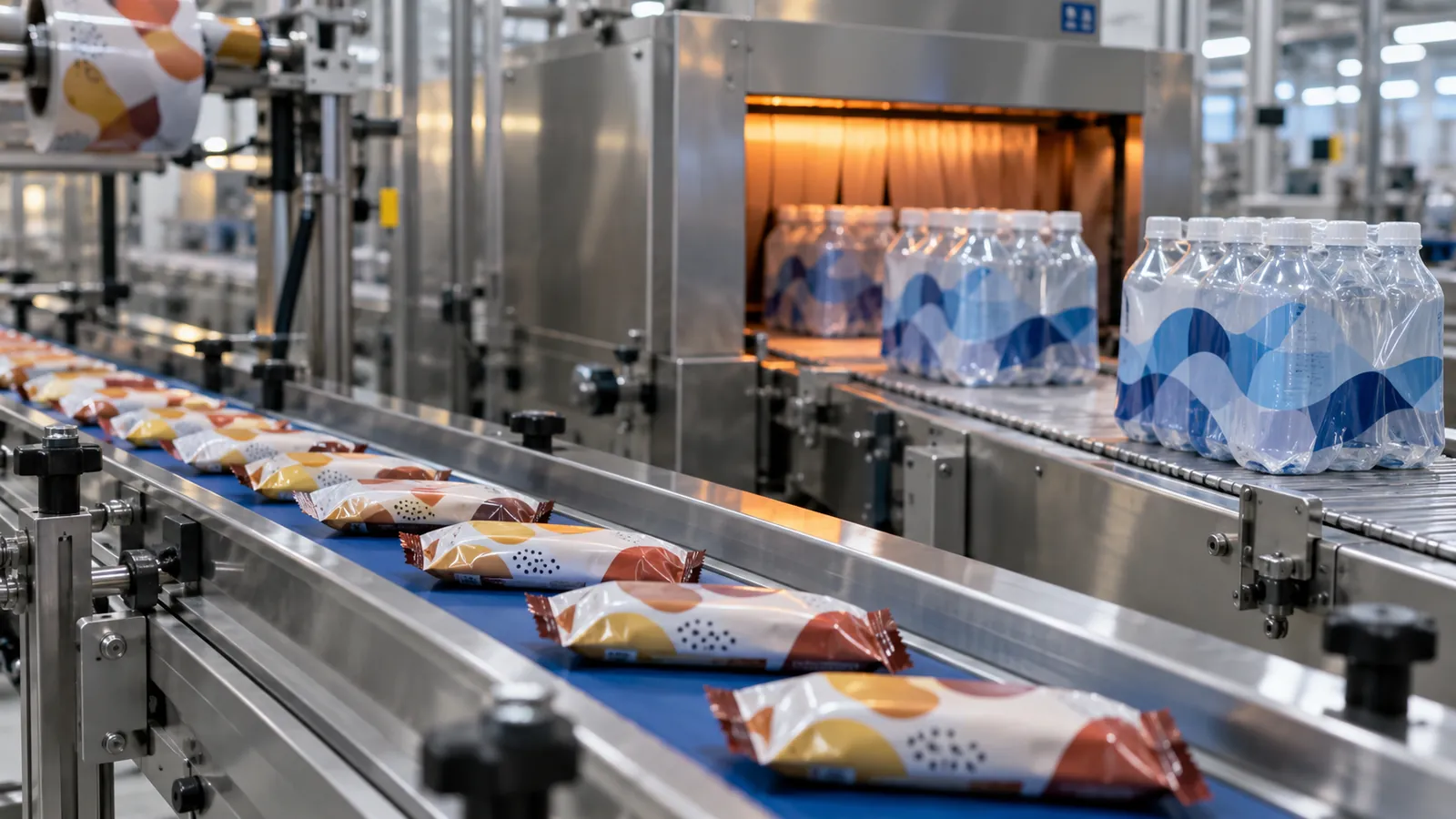
Flow Wrap vs Shrink Wrap: Choosing a Wrapping Format
Flow wrap vs shrink wrap compared on product fit, barrier, seals, print, heat and machines, with a checklist to choose the right wrapping format.
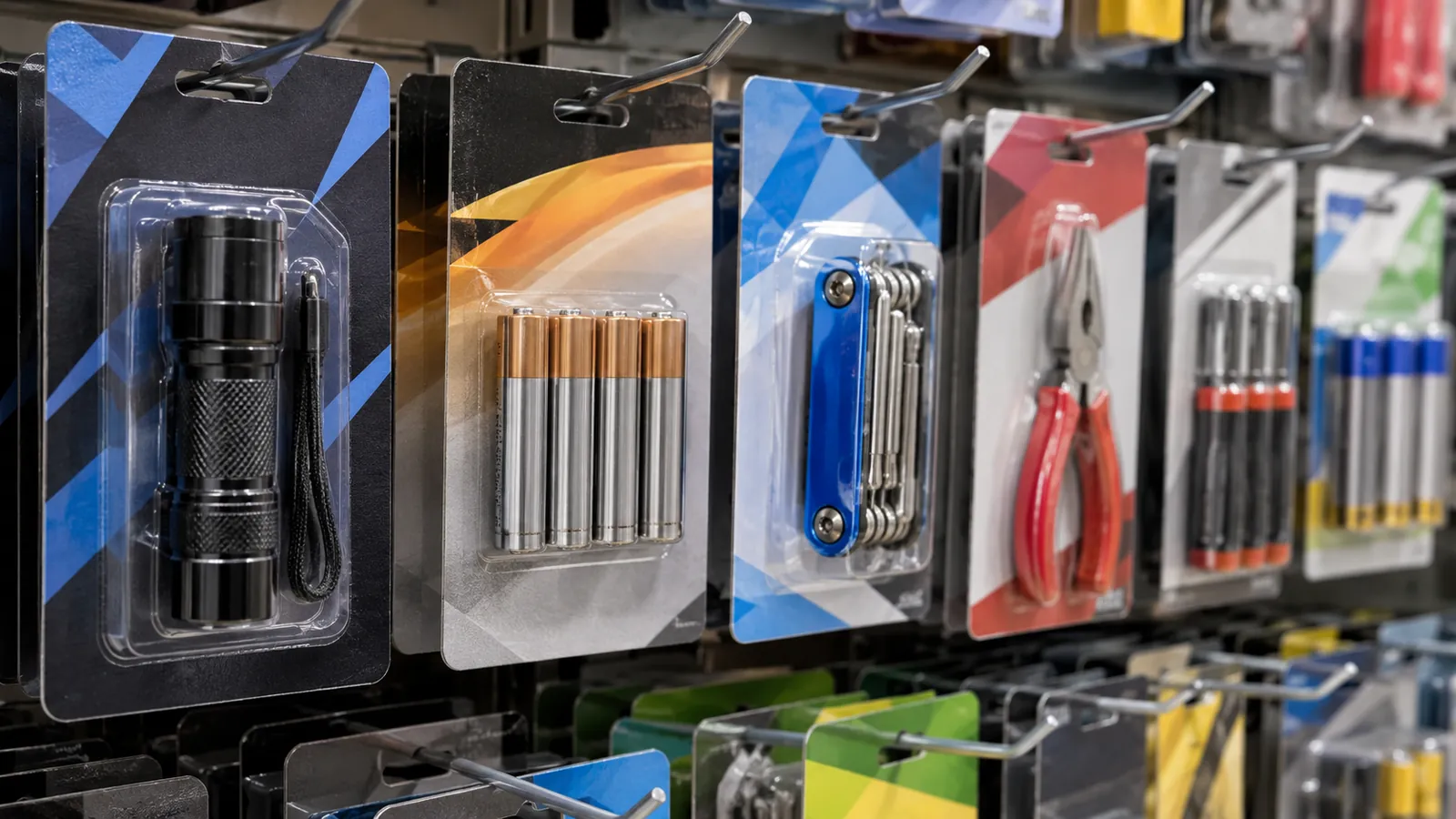
Blister Packaging: Formats, Materials and Uses
Blister packaging holds a product in a thermoformed or cold-formed cavity sealed to a lidding or card; see types, materials and typical uses.

Flat Bottom Pouch: Box-Style Pouches Explained
A flat bottom pouch has a rectangular base and two side gussets that make a boxlike, self-standing pack. See construction, features and how it compares.